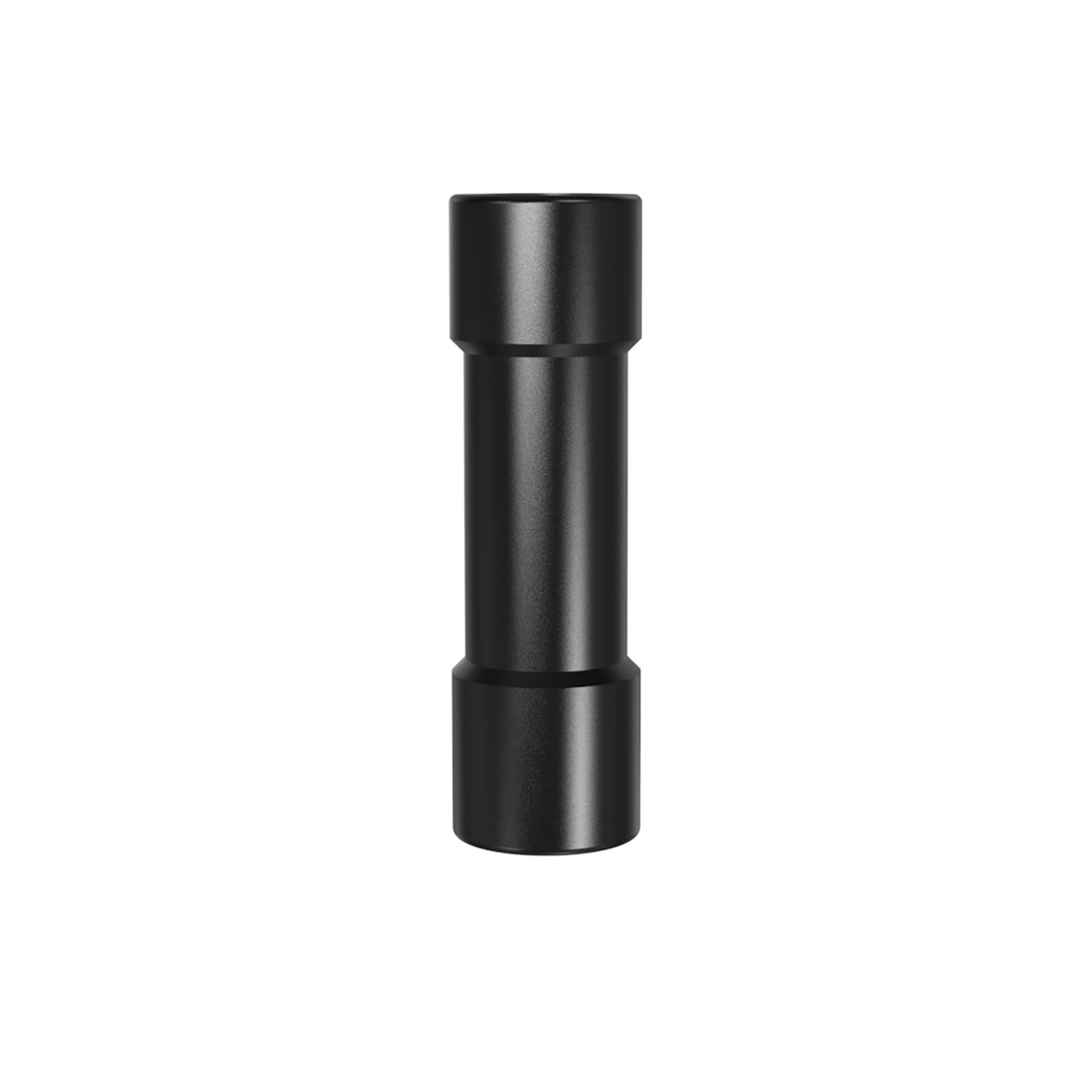
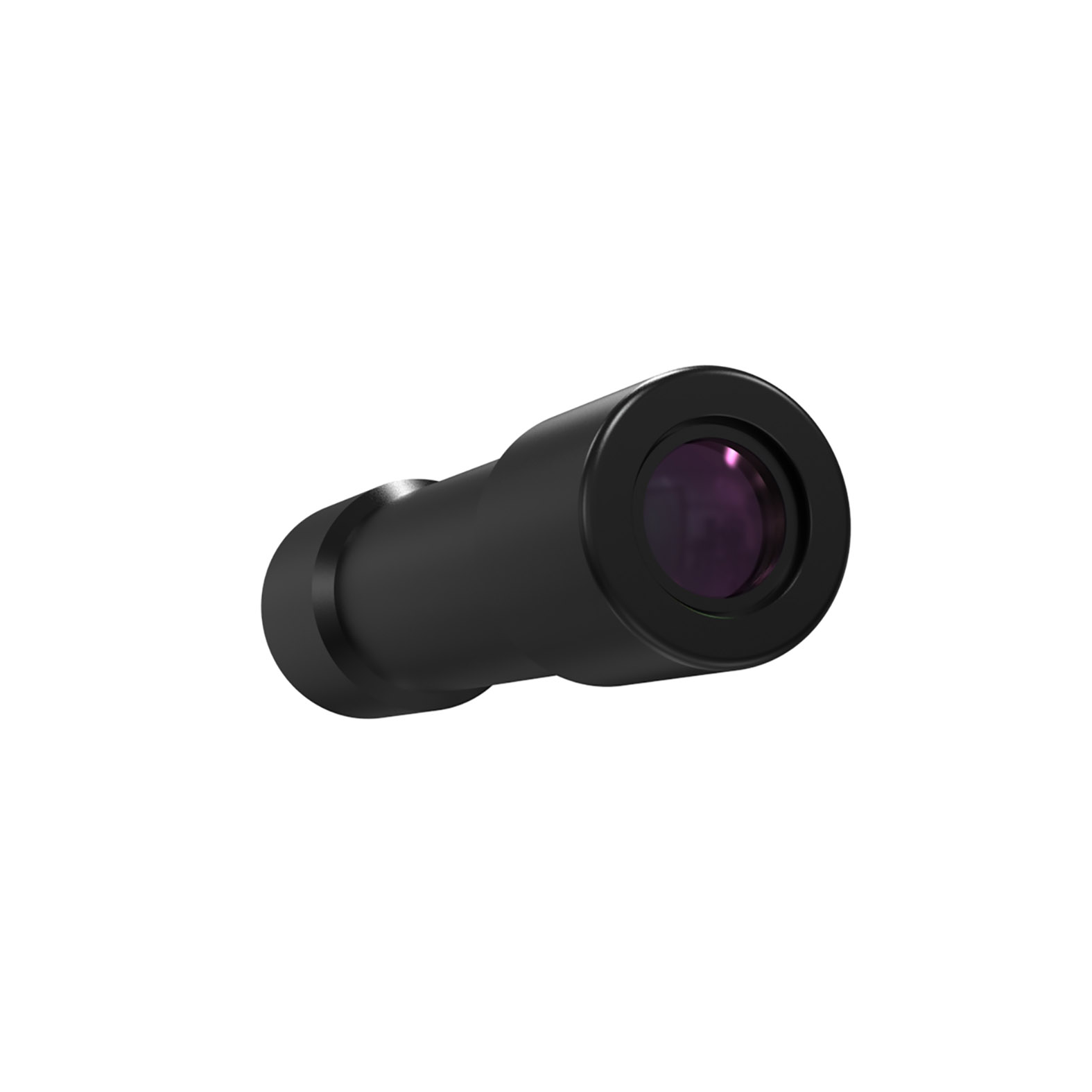
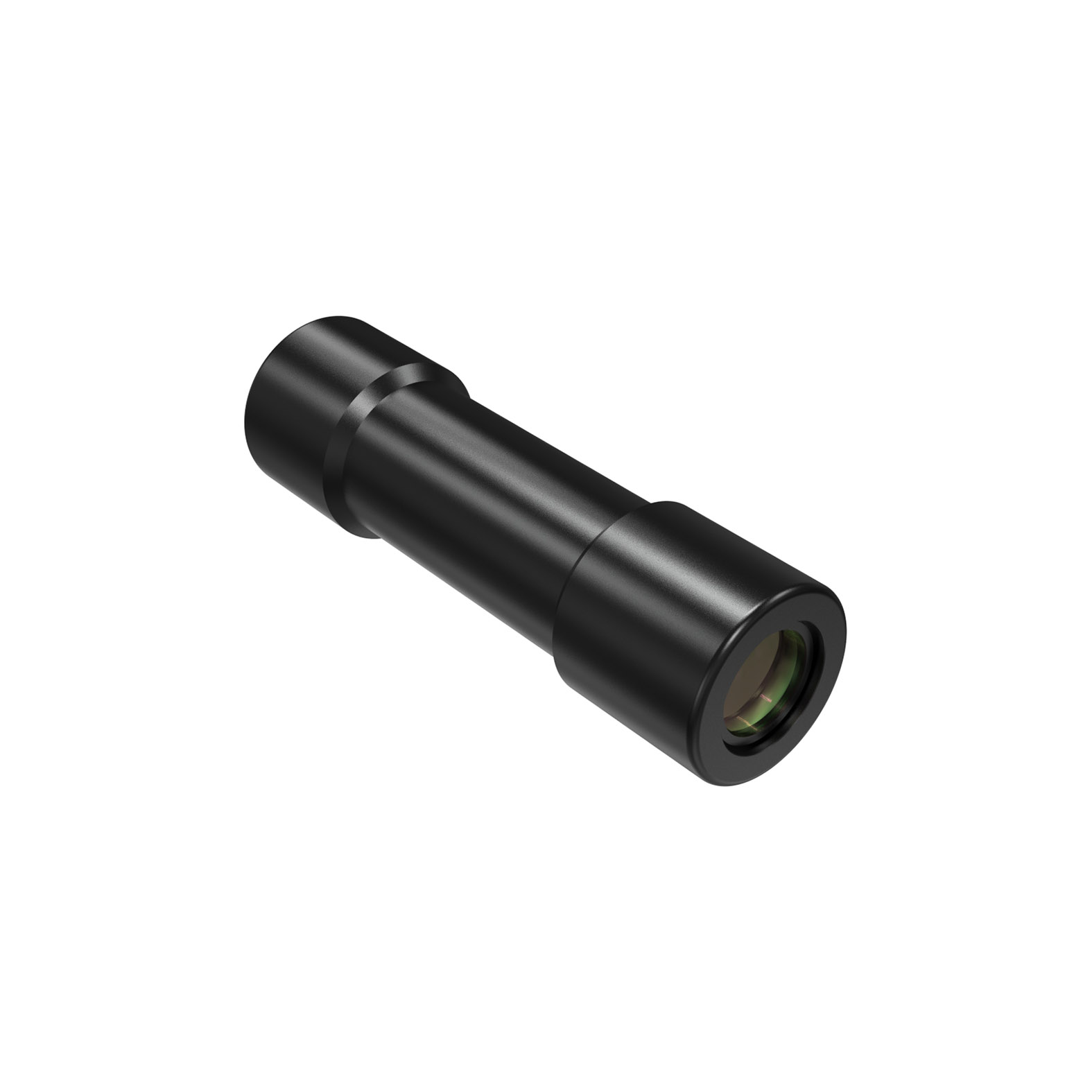
What is a 4F Beam Relay Optical System?
A 4F beam relay optical system is a precision optical configuration designed to transfer and manipulate optical wavefronts while preserving beam quality and collimation. It is widely used in laser imaging, optical experiments, and photonics research.
Why Use a 4F Optical Relay System?
The 4F configuration allows accurate Fourier plane control, enabling beam shaping, spatial filtering, and image relay without degrading beam quality. It is essential in high precision optical experiments and laser systems.
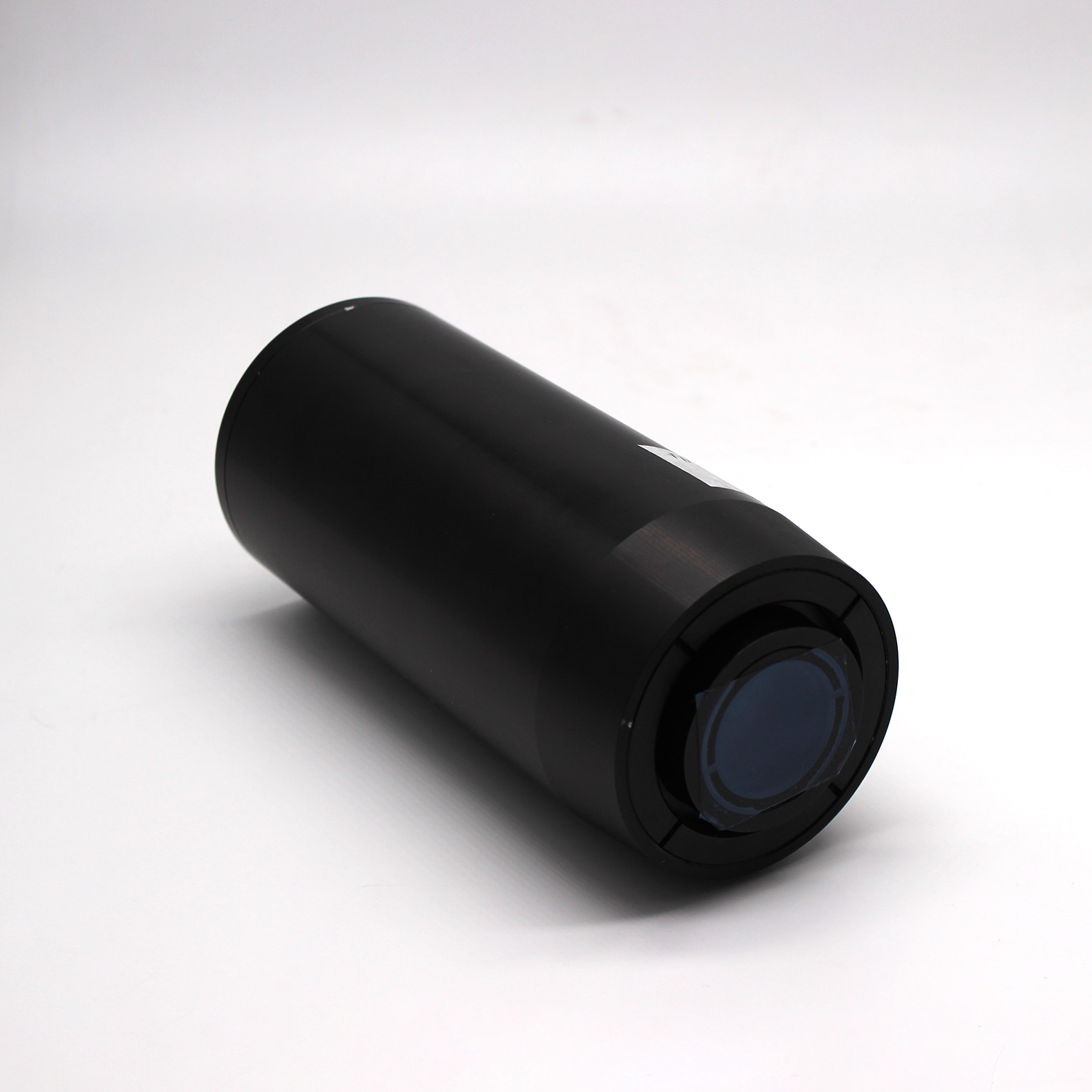
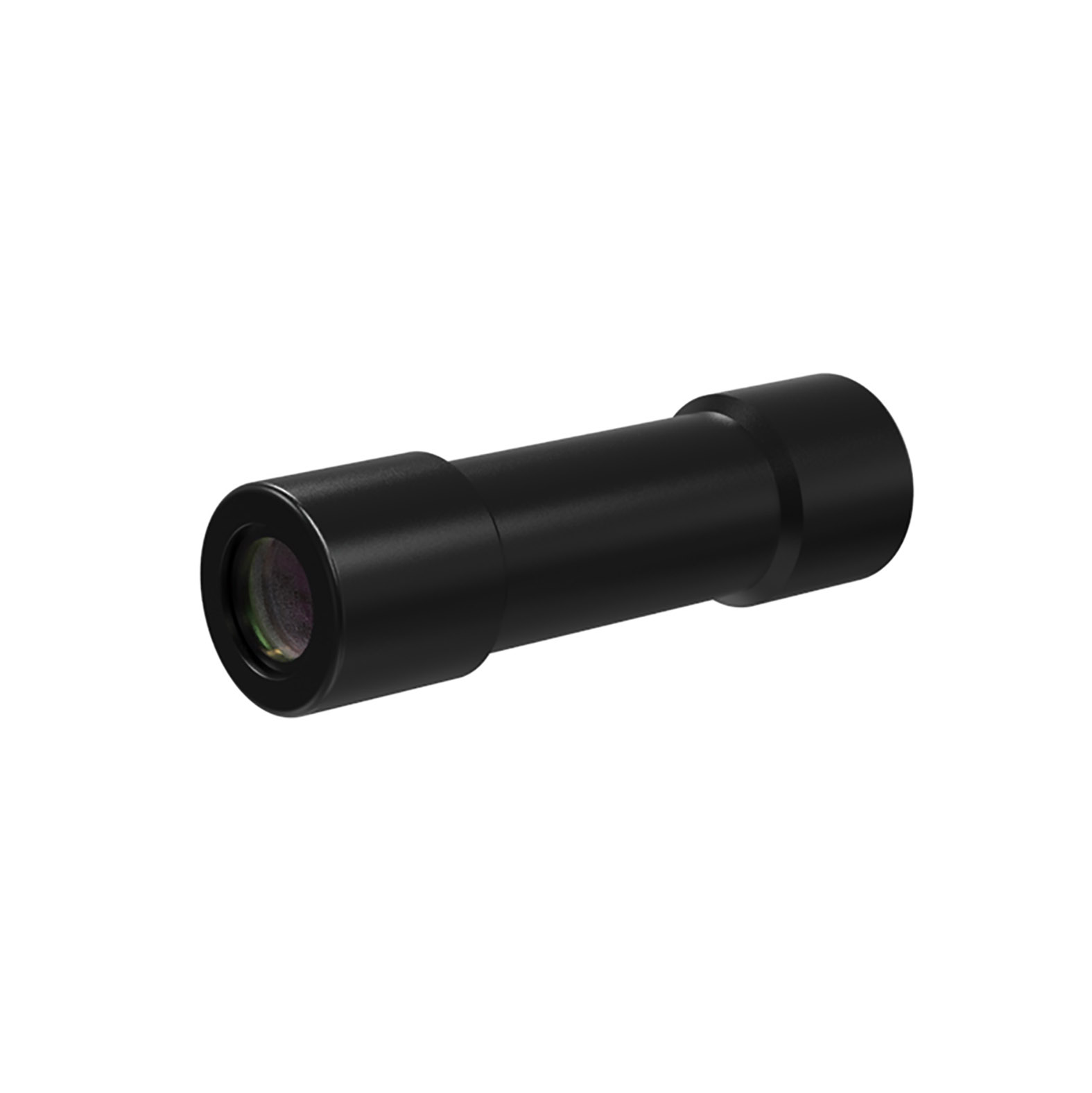
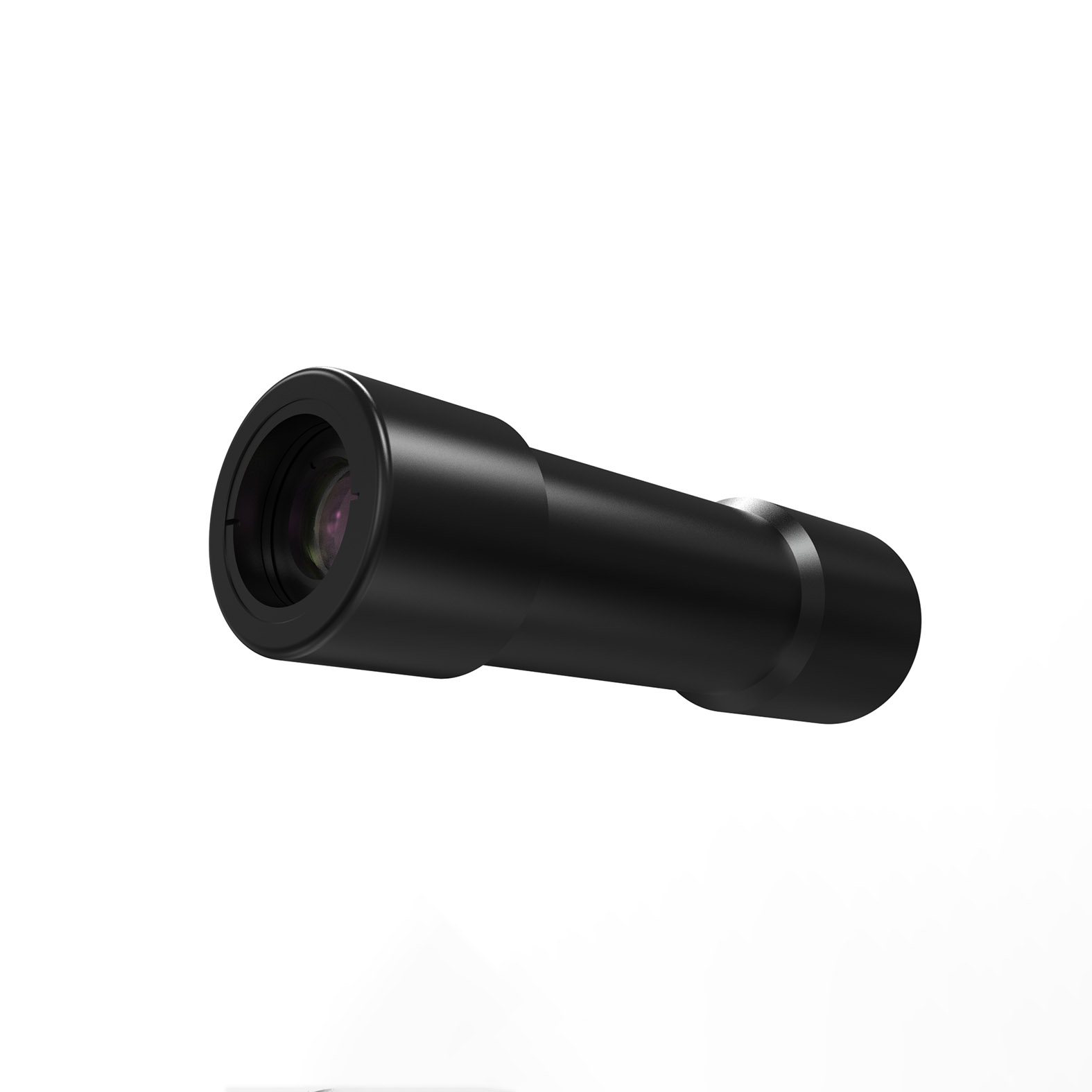
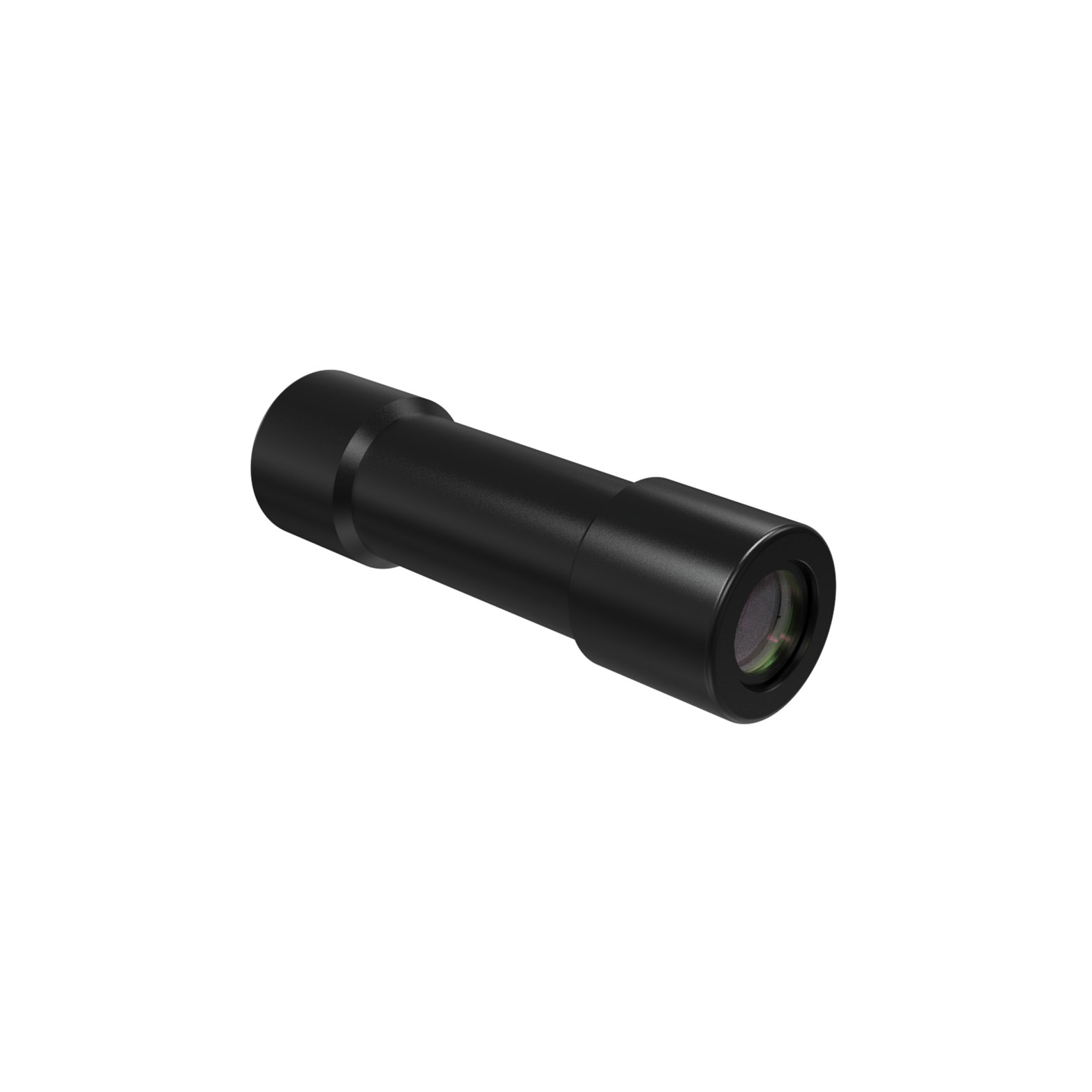
Picture of 532nm 4F Beam Relay System
Detailed video of Research-Grade 532nmCollimation-Preserving4F Beam Relay Optical System
Key Features of 4F Beam Relay Systems
- Preserves laser beam collimation
- High precision optical relay performance
- Stable Fourier plane control
- Low optical distortion
- Optimized for 532nm green laser systems
- Custom system design available
Applications of 4F Optical Systems
- Laser Beam Shaping and Control Systems
- Scientific Research and Laboratory Imaging
- Advanced Optical Measurement Systems
- Microscopy and Biomedical Imaging Platforms
- Laser Processing and Photonics Applications
- Precision Optical Alignment Systems
Advantages of Research-Grade Optical Systems
- High stability optical performance
- Accurate beam propagation control
- Flexible system customization
- Low wavefront distortion
- Suitable for advanced research applications
People Also Ask (FAQs)
Why is it called a 4F system?
It is named 4F because the system is designed using two lenses separated by the sum of their focal lengths (f + f + f + f configuration in optical path design).
Can a 4F system preserve beam quality?
Yes. A properly designed 4F system can preserve collimation and minimize optical distortion during beam relay.
Customization Options
- Custom focal length design
- Different wavelength optimization
- High precision optical alignment
- AR coating for specific lasers
- Modular system integration
- OEM research system support