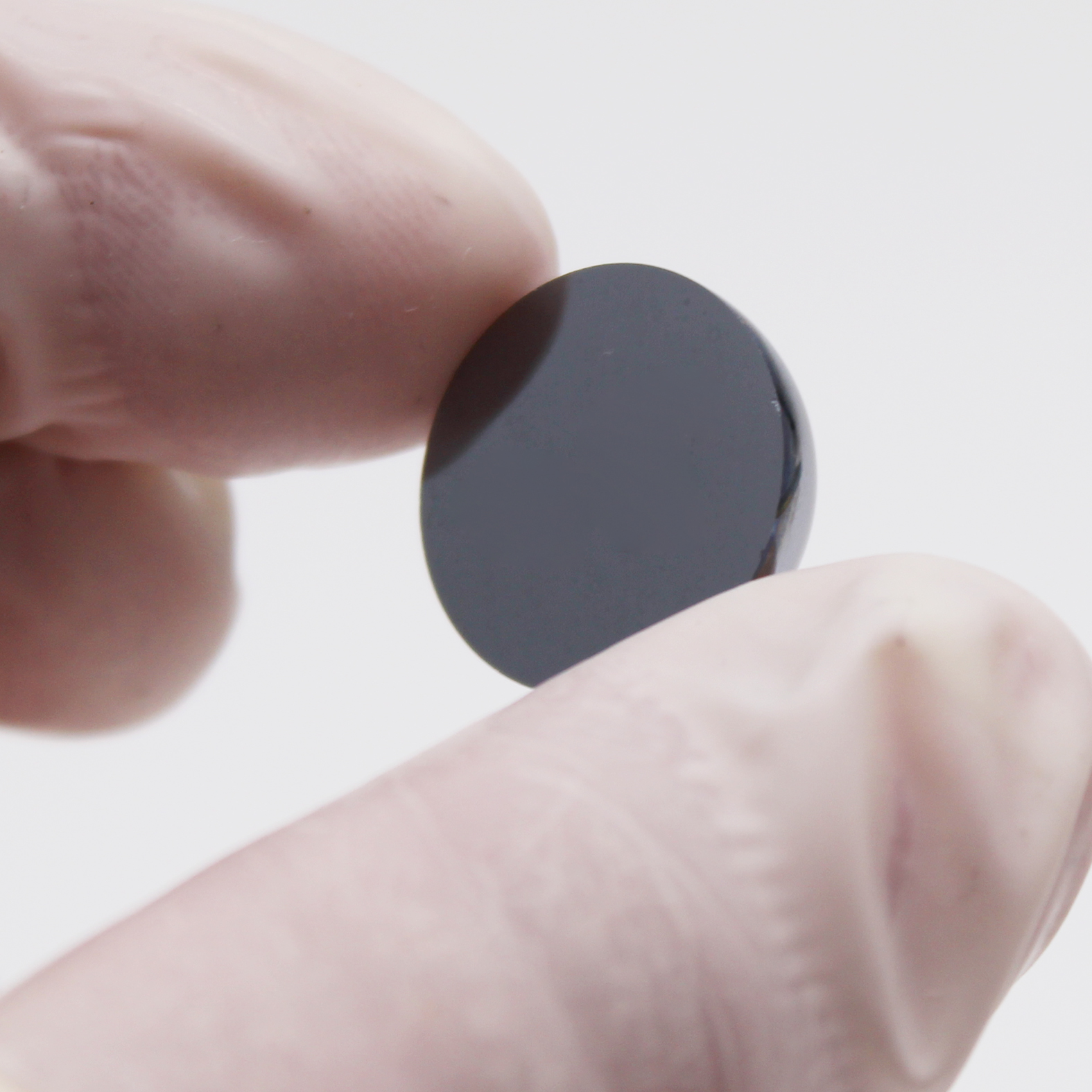


1. What Is a Silicon Half Ball Lens?
A silicon half ball lens is a compact infrared optical element designed for focusing, collimating, or coupling light in the near-infrared and mid-infrared spectrum.
This type of silicon hemispherical lens offers a high refractive index and excellent thermal stability, making it suitable for small optical modules and IR sensing systems.
2. How Does a Silicon Hemispherical Lens Work?
A silicon half-ball optical lens bends incoming IR light through its spherical geometry.
Because silicon has high transmission in the NIR–MIR range, the lens can efficiently guide light into detectors, fibers, and imaging sensors with minimal loss.
3. Product Specifications
| Item | Specification |
|---|---|
| Material | Mono-crystalline Silicon (Si) |
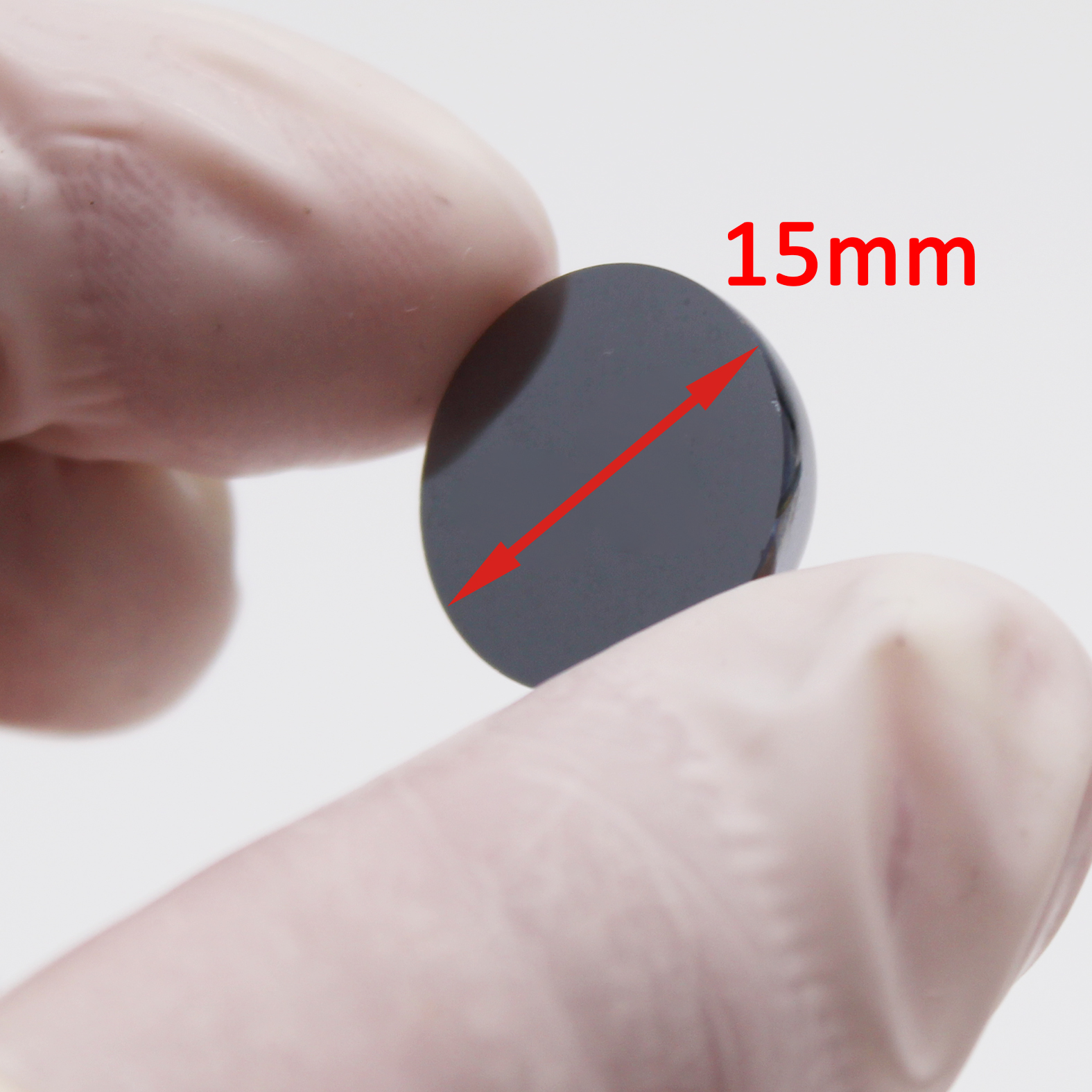
| Diameter | 0.5mm – 10mm (custom sizes available) |
| Refractive Index | ~3.42 at 4μm |
| Transmission Range | 1.2μm – 7μm |
| Surface Quality | 40/20 or better |
| Sphericity | ≤ 0.01mm |
| Coating Options | AR coating for NIR / MIR |
| Tolerance | ±0.02mm or customized |
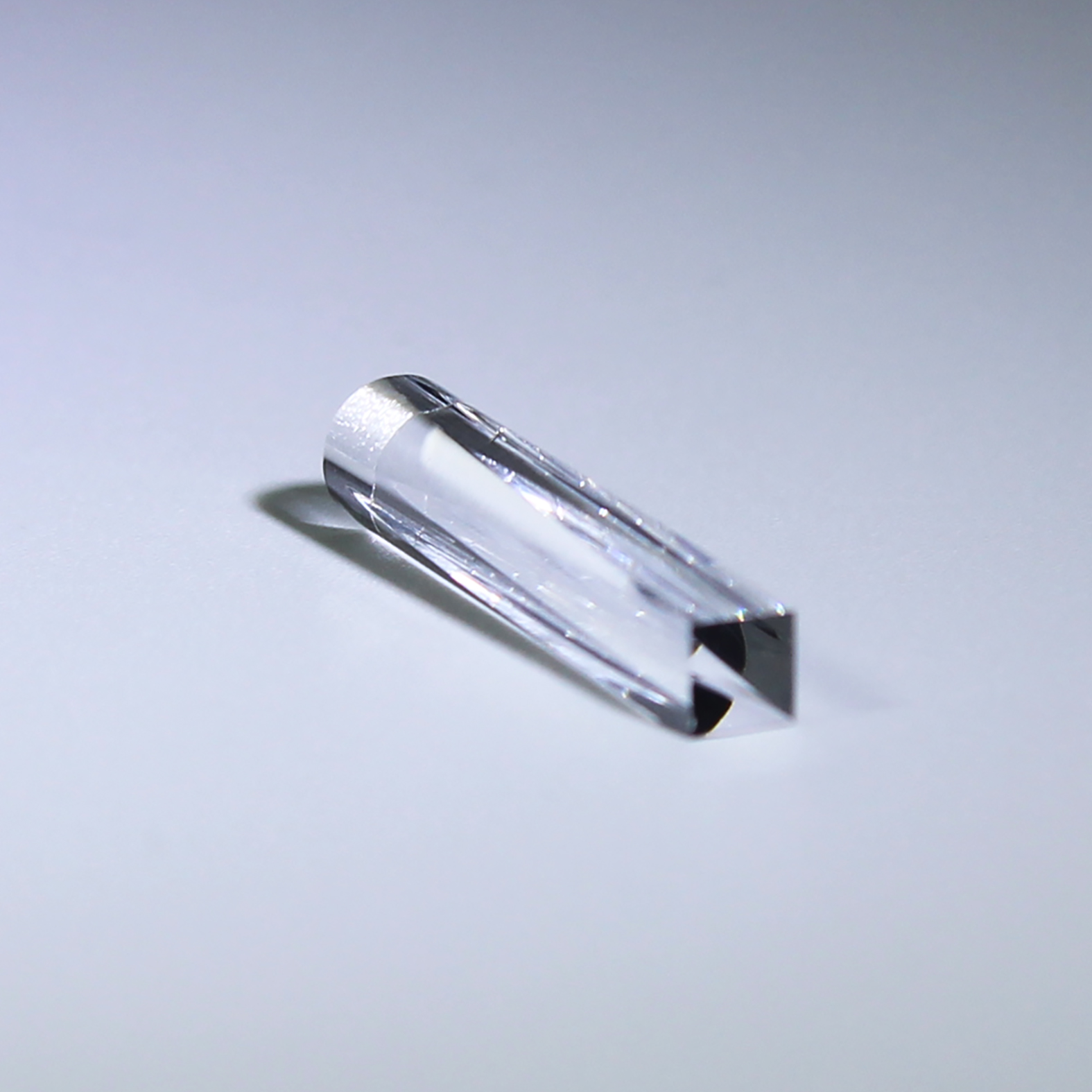
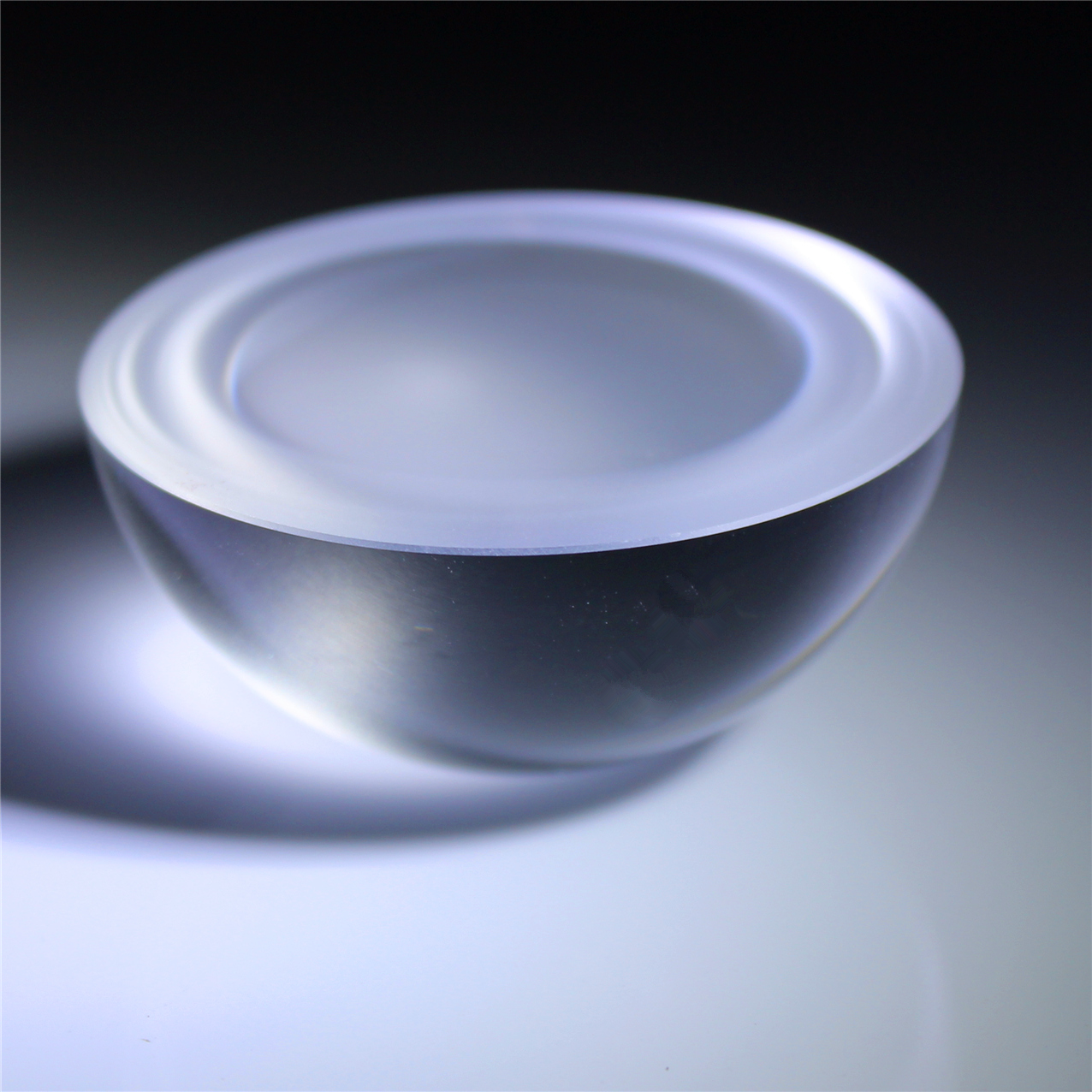
Picture of Silicon Half Ball Lens
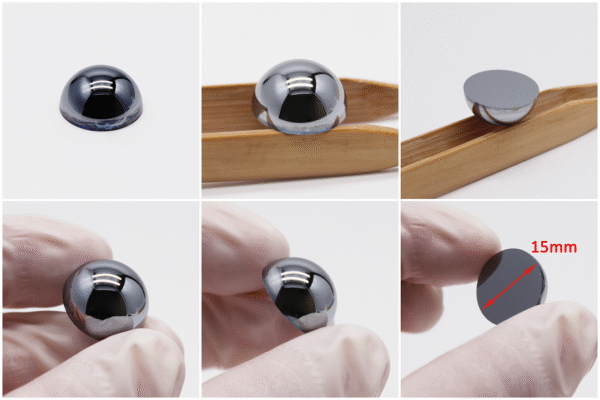
4. Key Features of Silicon Half-Ball Optical Lenses
- High infrared transmission from NIR to mid-IR
- Compact design ideal for miniaturized optical systems
- High refractive index for strong focusing capability
- Excellent mechanical and thermal stability
- Low absorption and good durability
- Optional AR coating for improved performance
5. Applications of Silicon Infrared Half Ball Lenses
- IR imaging devices and camera modules
- Optical fiber coupling and signal transmission
- Gas detection and sensing systems
- Laser collimation and beam shaping
- Smart home IR sensors and thermal detectors
- Medical infrared instruments
- Miniature optical assemblies and micro-optics
6. Advantages of Choosing Silicon Hemispherical Lenses from VY Optics
- High-precision polishing for stable and consistent performance
- Custom dimensions, coatings, and tolerances
- Fast production and strict quality control
- Support for prototyping and mass manufacturing
- Expert optical engineering assistance
- Excellent cost-to-performance ratio
Video display of Silicon Half Ball Lens
7. People Also Ask (FAQ)
Q1: Is a silicon half-ball lens suitable for infrared systems?
Yes. Silicon offers excellent transmission in the 1.2–7µm range, making it ideal for most IR imaging and sensing applications.
Q2: What is the difference between a half ball lens and a full ball lens?
A half-ball lens has one flat surface and one spherical surface, making it easier to mount and integrate into compact devices.
Q3: Can the silicon hemispherical lens be customized?
Absolutely. Diameter, coating, surface accuracy, and tolerances can be fully customized according to your project needs.
Q4: Why use silicon instead of glass for IR optics?
Silicon performs better in infrared wavelengths, has a higher refractive index, and offers greater durability and thermal resistance.
Q5: What coatings are available for silicon half ball lenses?
Common options include NIR AR coating, MIR AR coating, and customized multilayer coatings.