

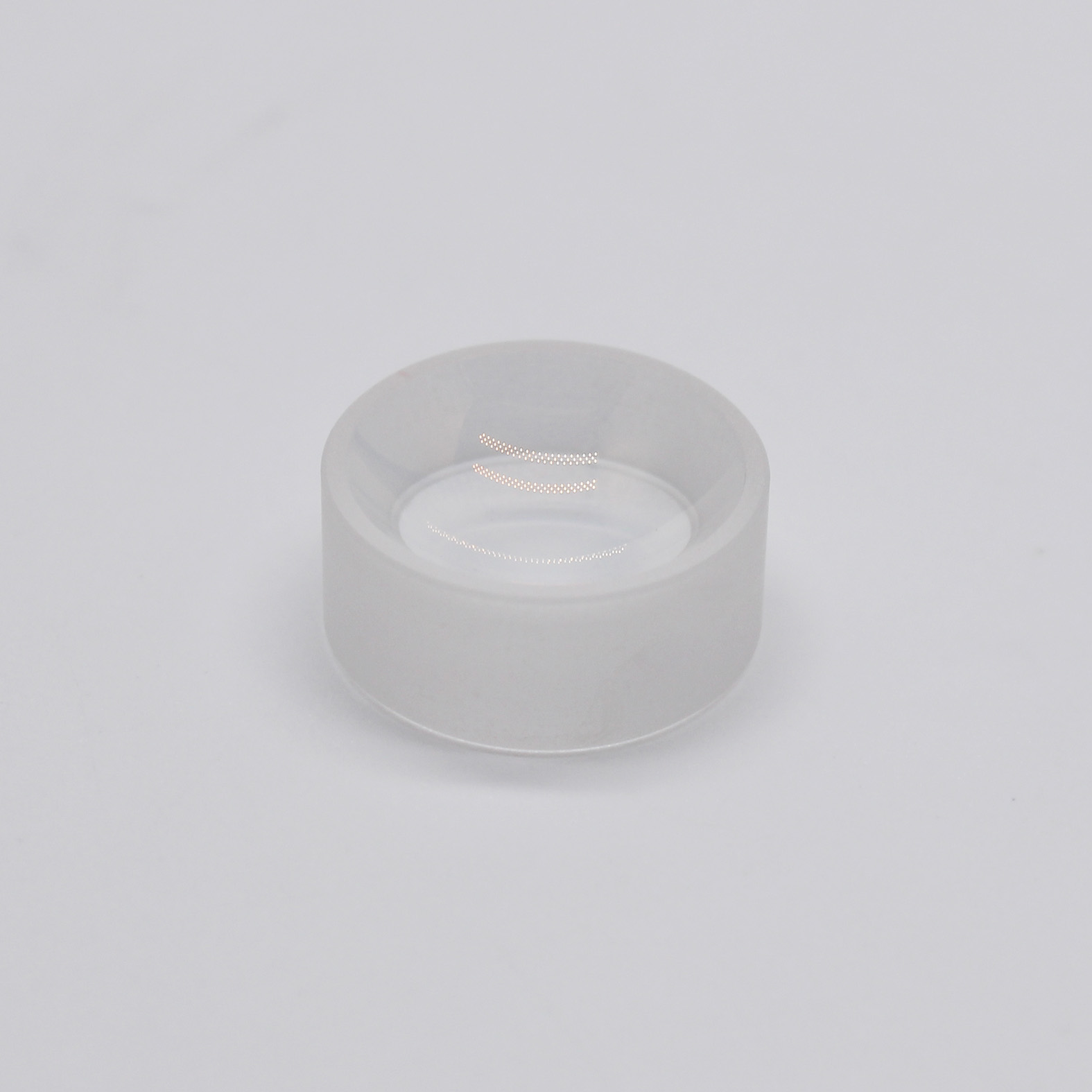

Why Choose an Aspheric Optical Component Instead of a Spherical Lens?
Aspheric lenses offer several advantages:
- They minimize optical distortion
- They reduce the number of required lens elements
- They improve resolution and light transmission
- They help create smaller and lighter optical systems
Product Specifications
| Specification | Details |
|---|---|
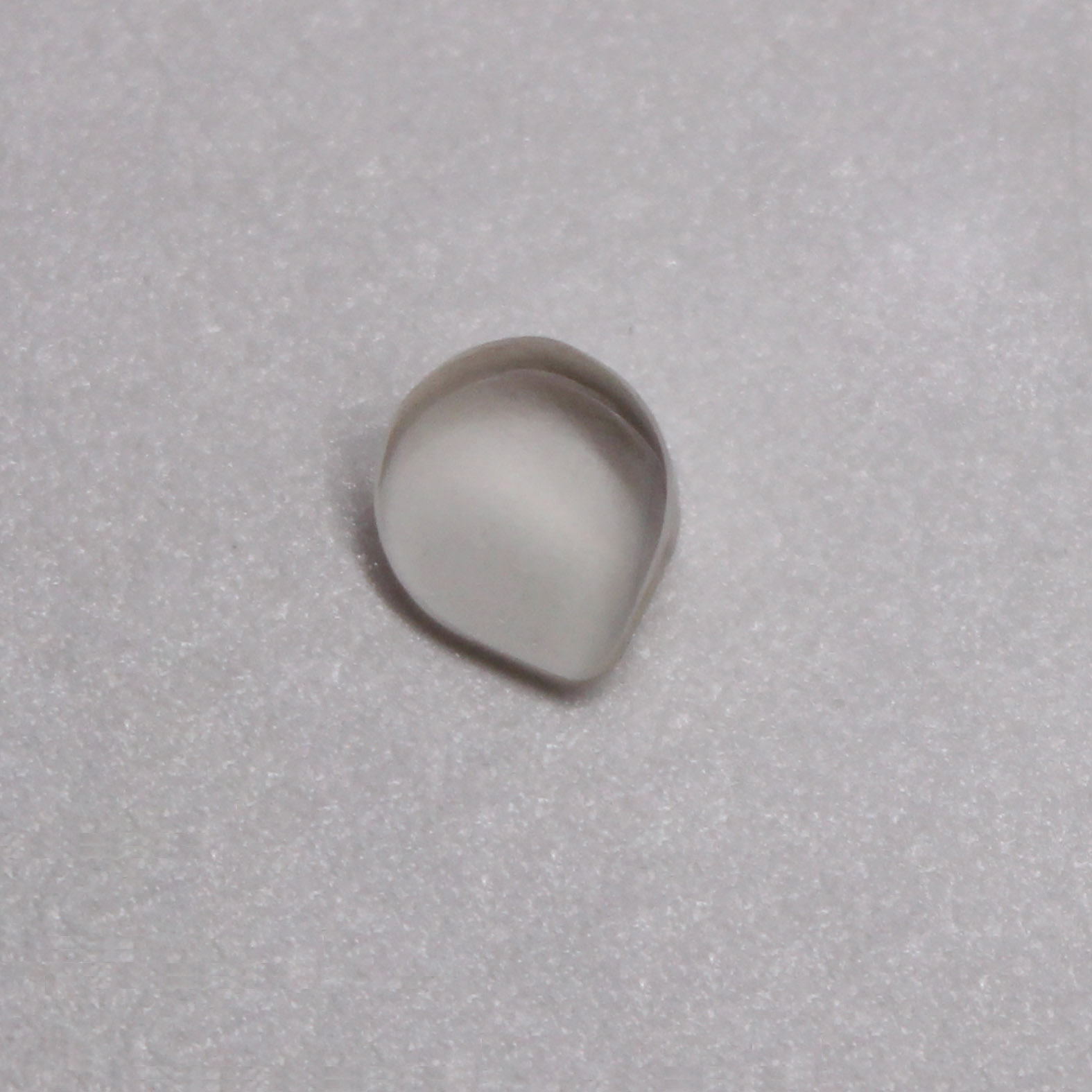
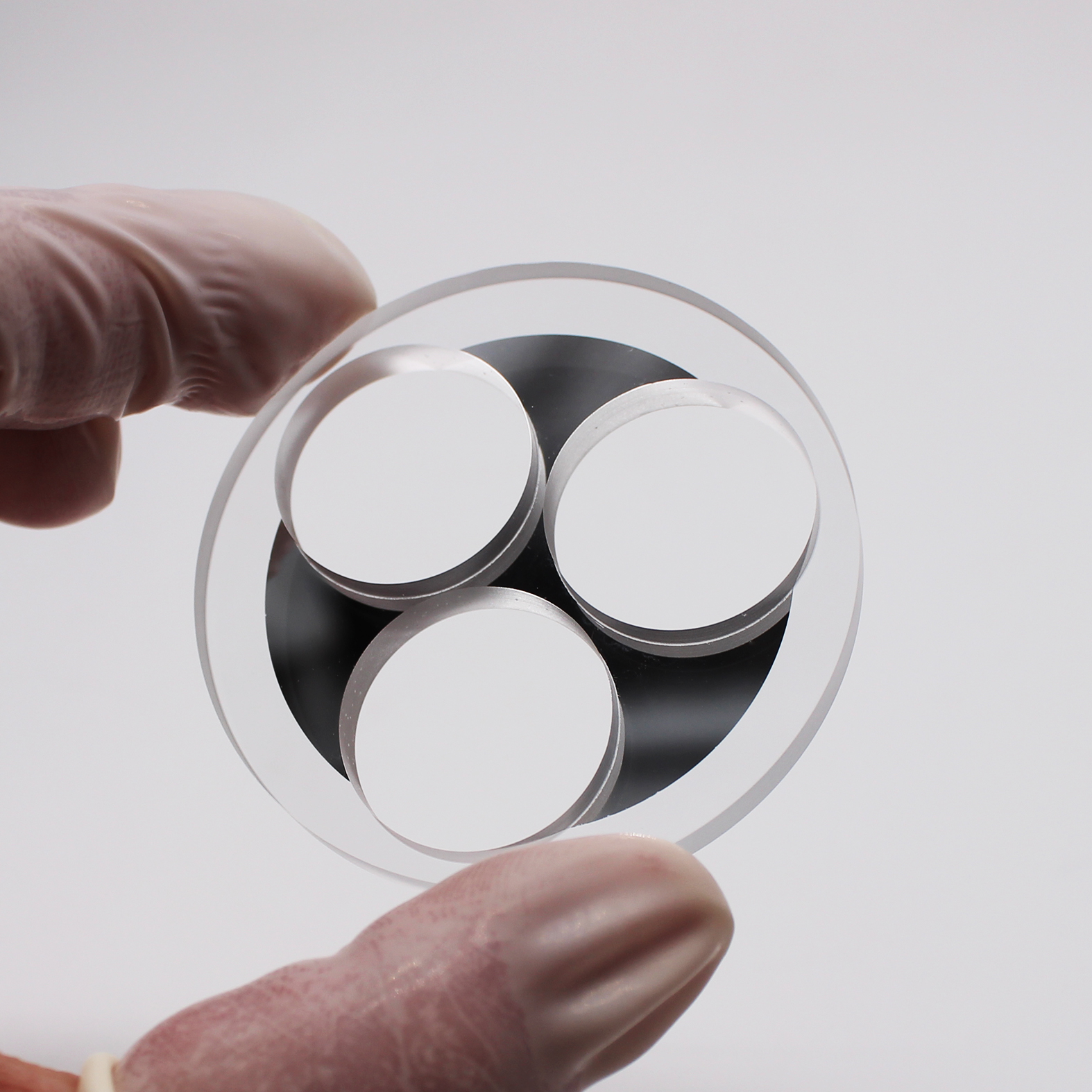
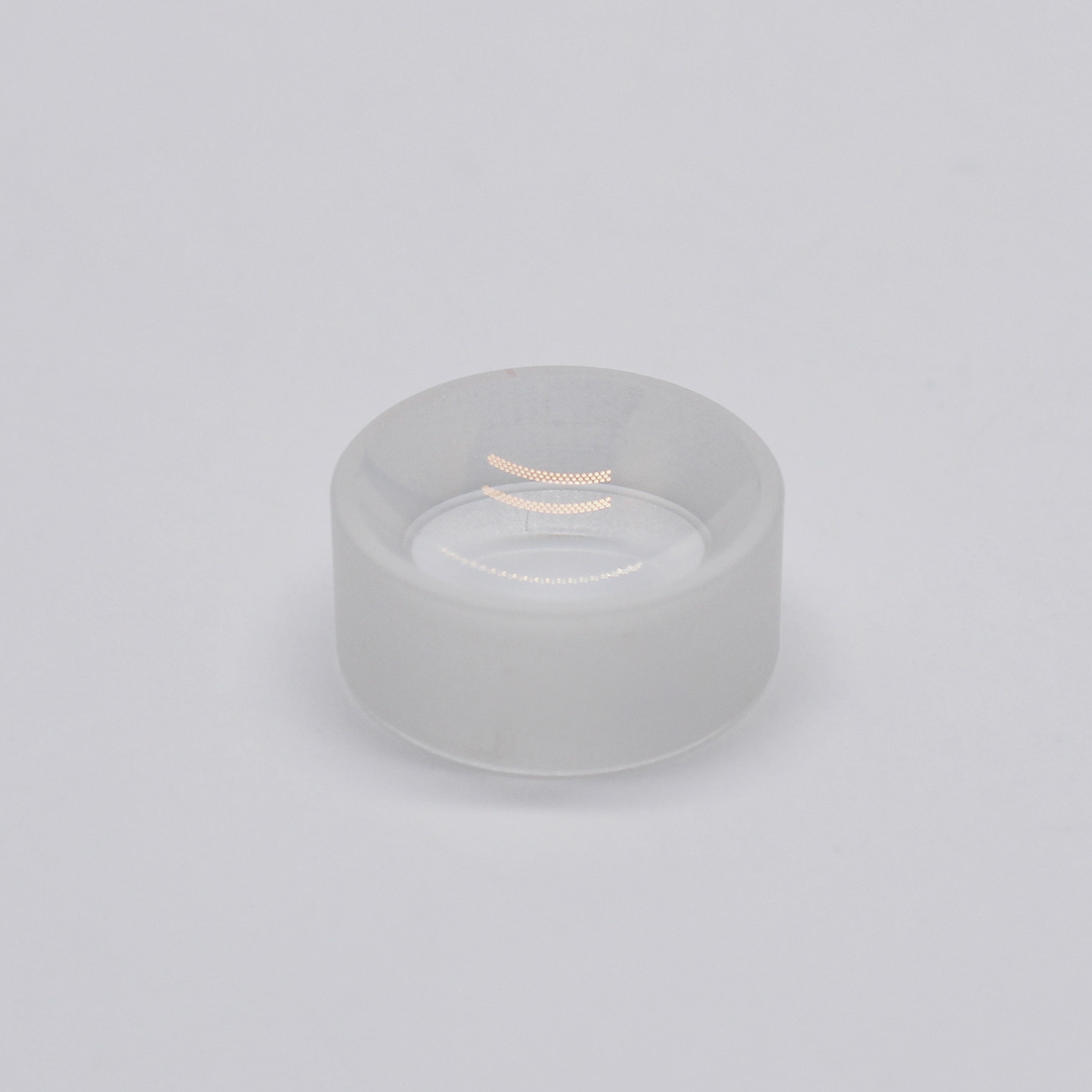
| Product Type | High Precision Optical Aspheric Lens |
| Diameter | 18.6 mm |
| Material | N-SF5 High-Index Optical Glass |
| Surface Flatness | λ/4 |
| Design Type | Custom Asphere / Precision Aspheric Optical Component |
| Surface Quality | Available upon request |
| Coating Options | AR Coating, Broadband AR, or Custom |
Specifications of Aspherical Lens
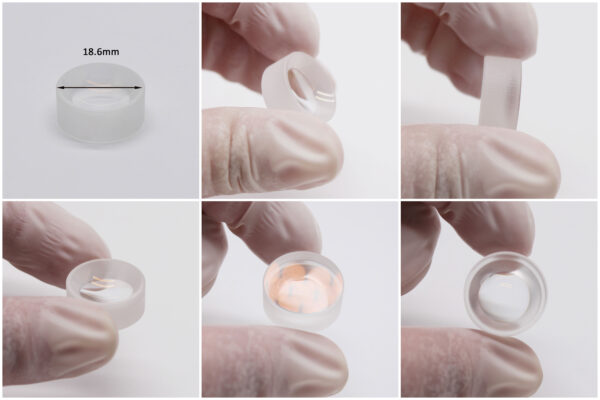
Key Features of This Precision Aspheric Lens
- Designed for high-accuracy imaging and laser focusing
- Made from N-SF5 optical glass for improved refractive performance
- Excellent surface flatness (λ/4) ensures stable beam quality
- Reduced spherical aberration for sharper results
- Supports custom dimensions and coatings
- Suitable for compact optical assemblies
- High durability and reliable transmission stability
Typical Applications of Aspheric Optical Lenses
This custom aspheric lens is ideal for:
- Industrial and scientific imaging systems
- Laser focusing and beam shaping
- Medical diagnostic devices
- Optical instruments and metrology tools
- Security cameras and machine vision
- Illumination and projection systems
- Precision optical assemblies and modules
Advantages of Using Precision Aspheric Optics
- Better focus performance compared to spherical optics
- Higher image sharpness with fewer optical elements
- Lightweight and compact system design
- Cost-effective performance improvement
- Flexible customization for specific wavelengths and systems
- Enhanced energy efficiency in laser applications
Detailed Video of High Precision Optical Aspheric Lenses
People Also Ask (SEO Q&A Section)
Q1: What materials are commonly used for aspheric lenses?
Aspheric lenses can be made from optical glass, crystal materials, or molded plastics. We use high-quality N-SF5 optical glass for enhanced stability and precision.
Q2: How does an aspheric lens improve image quality?
It reduces spherical aberration, allowing the lens to focus light more accurately. This produces clearer, sharper, and more accurate images.
Q3: Can an aspheric optical lens be customized?
Yes. We offer custom aspheric lens designs, including diameter, curvature, coating, and material options.
Q4: Is an aspheric lens suitable for laser systems?
Absolutely. Their low aberration and high precision make aspheric optics ideal for laser focusing and beam shaping applications.
Q5: What industries commonly use high precision aspheric lenses?
They are used in imaging, medicine, metrology, automation, and optical R&D.