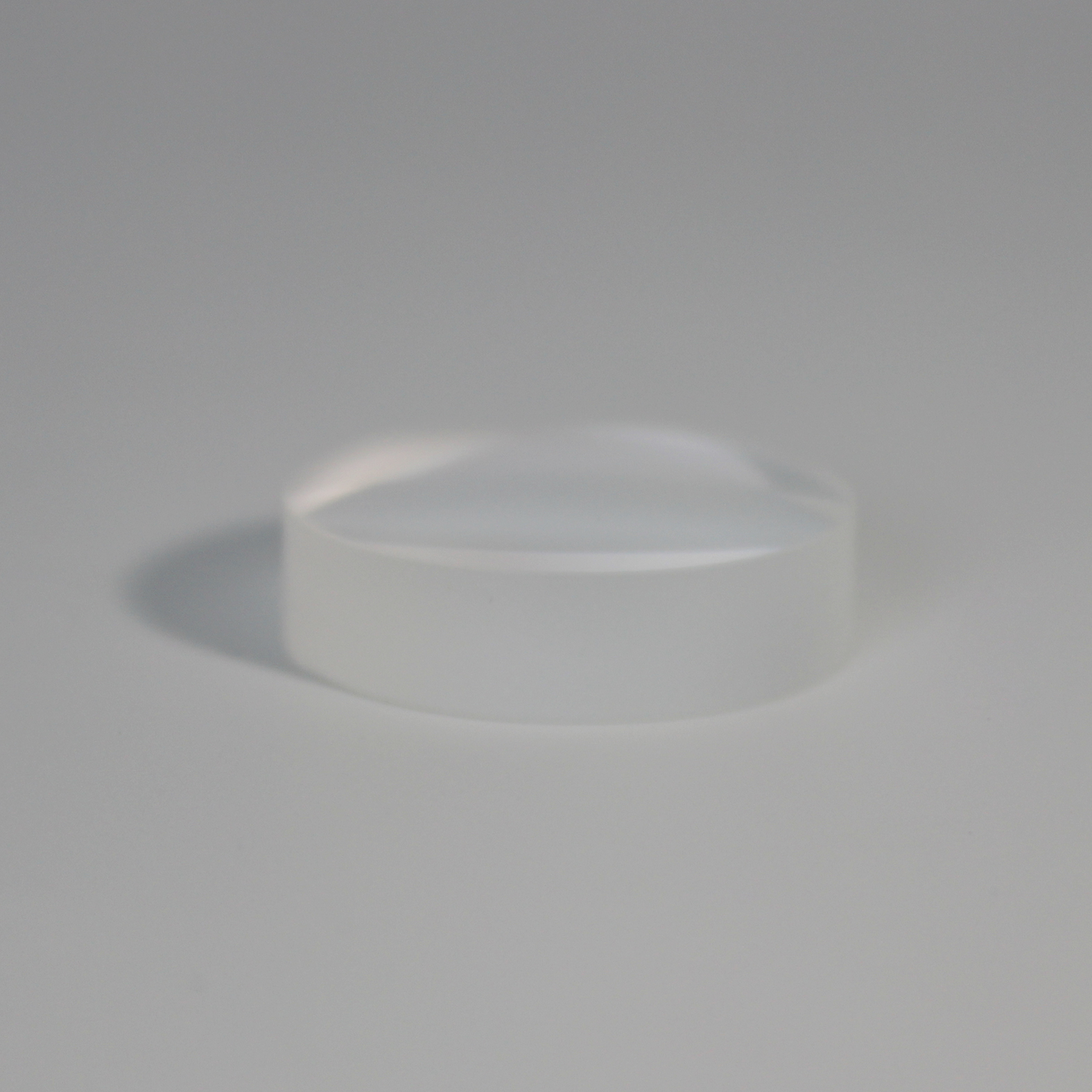
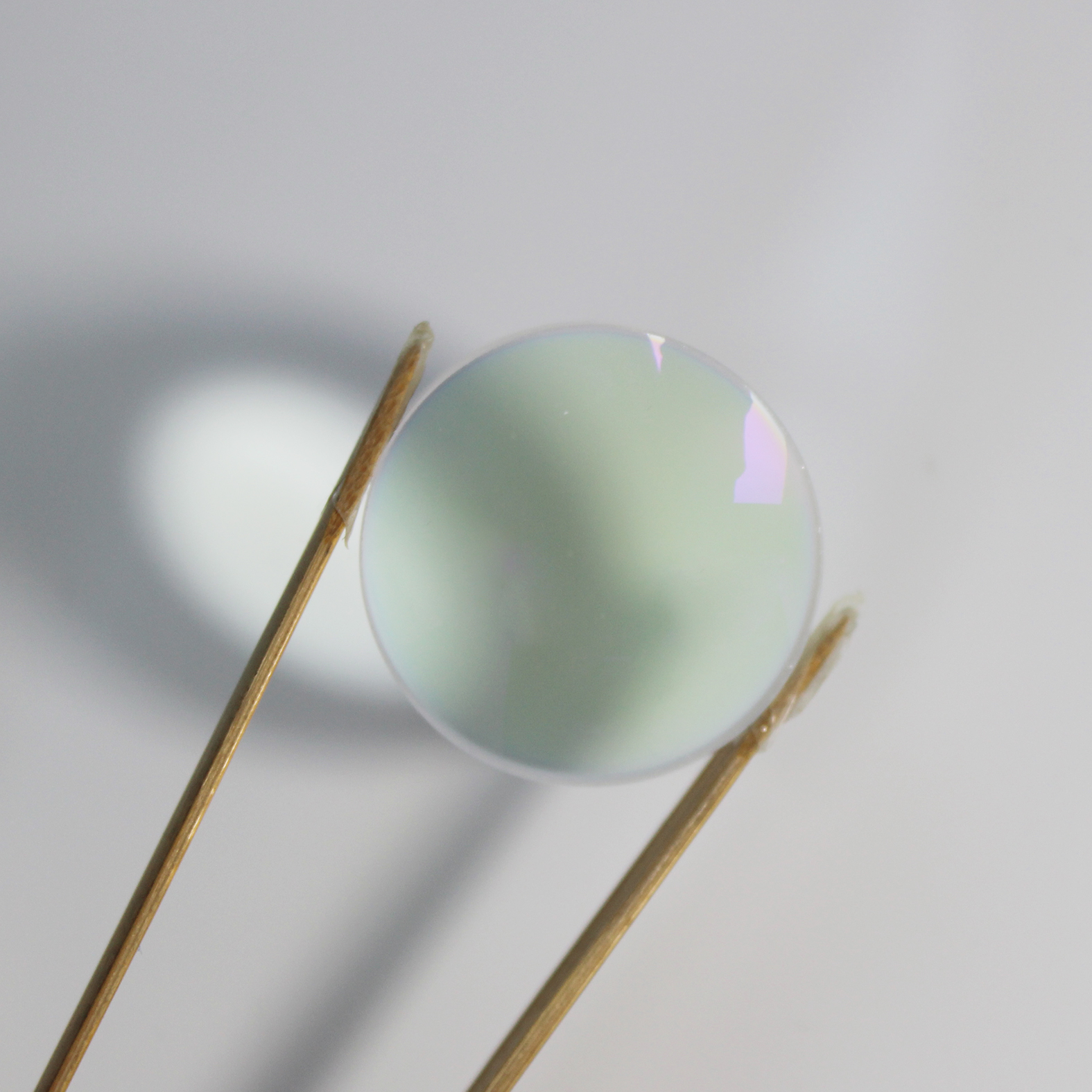
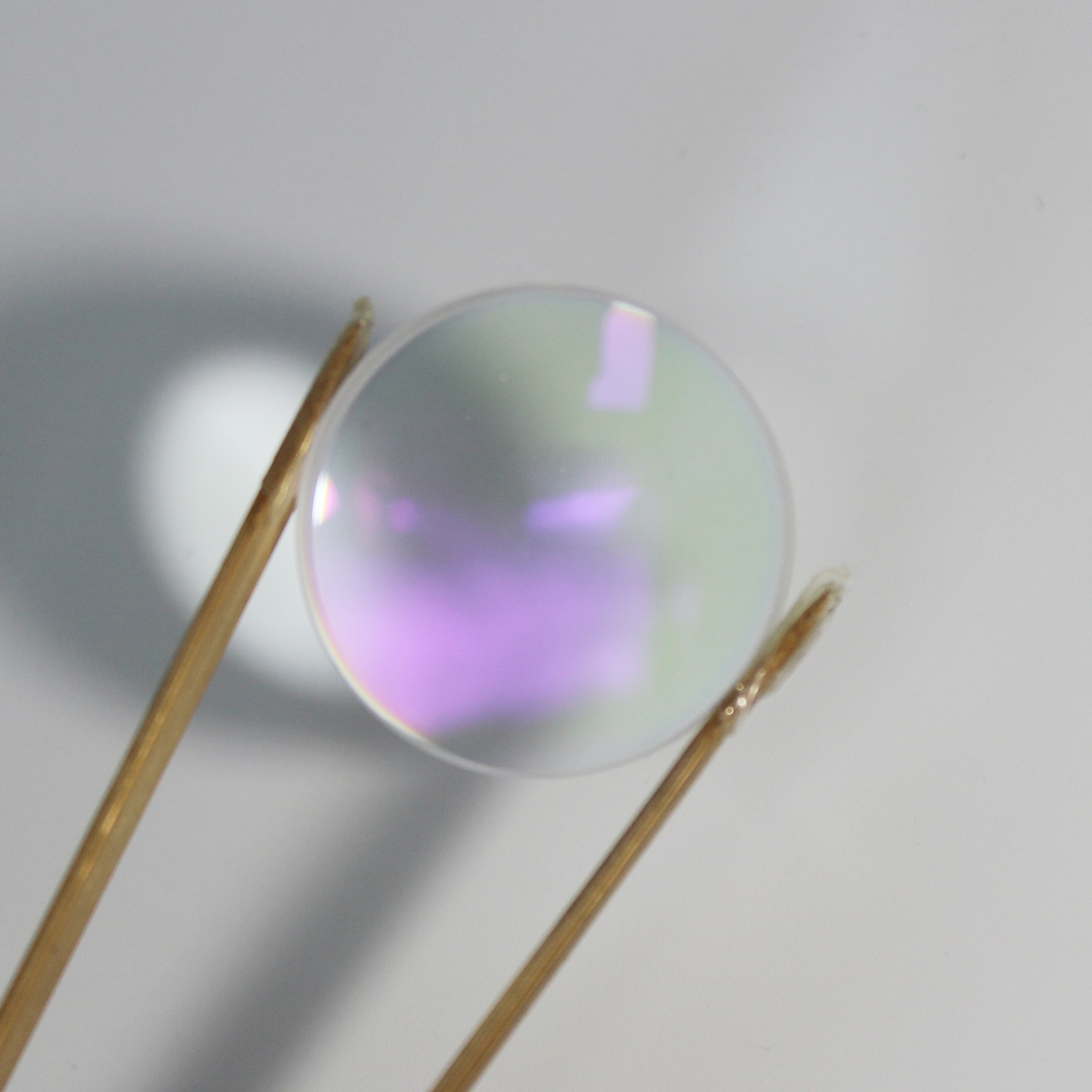
What Is a Bi-Convex Lens?
A Bi-Convex Lens, also known as a Double Convex Lens, has two outward-curved optical surfaces. Both sides are convex, and the lens is generally thicker at the center than at the edge.
This lens design is commonly used to converge light and form optical images. Its optical performance depends on the surface curvature, material refractive index, diameter, and focal length.
VY Optics provides bi-convex optical lenses for different optical assemblies and equipment. Lens dimensions and optical specifications can be discussed according to your drawings and requirements.
Bi-Convex Lens Specifications
| Material | H-FK61 |
| Diameter | 30mm |
| Center Thickness | 10mm |
| Clear Aperture | 28mm |
| Surface Quality | 40-20 |
| Focal Length | 102.39mm |
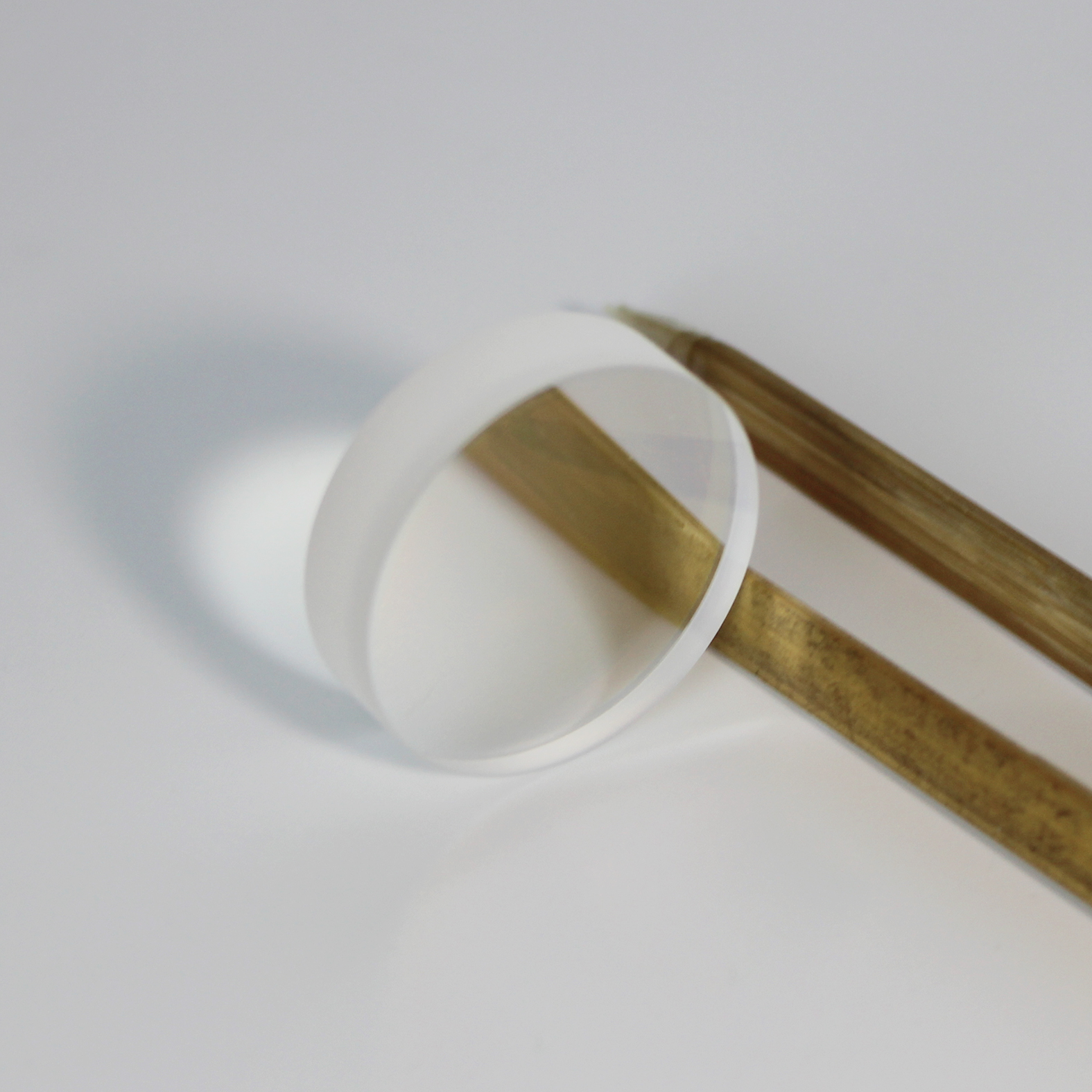
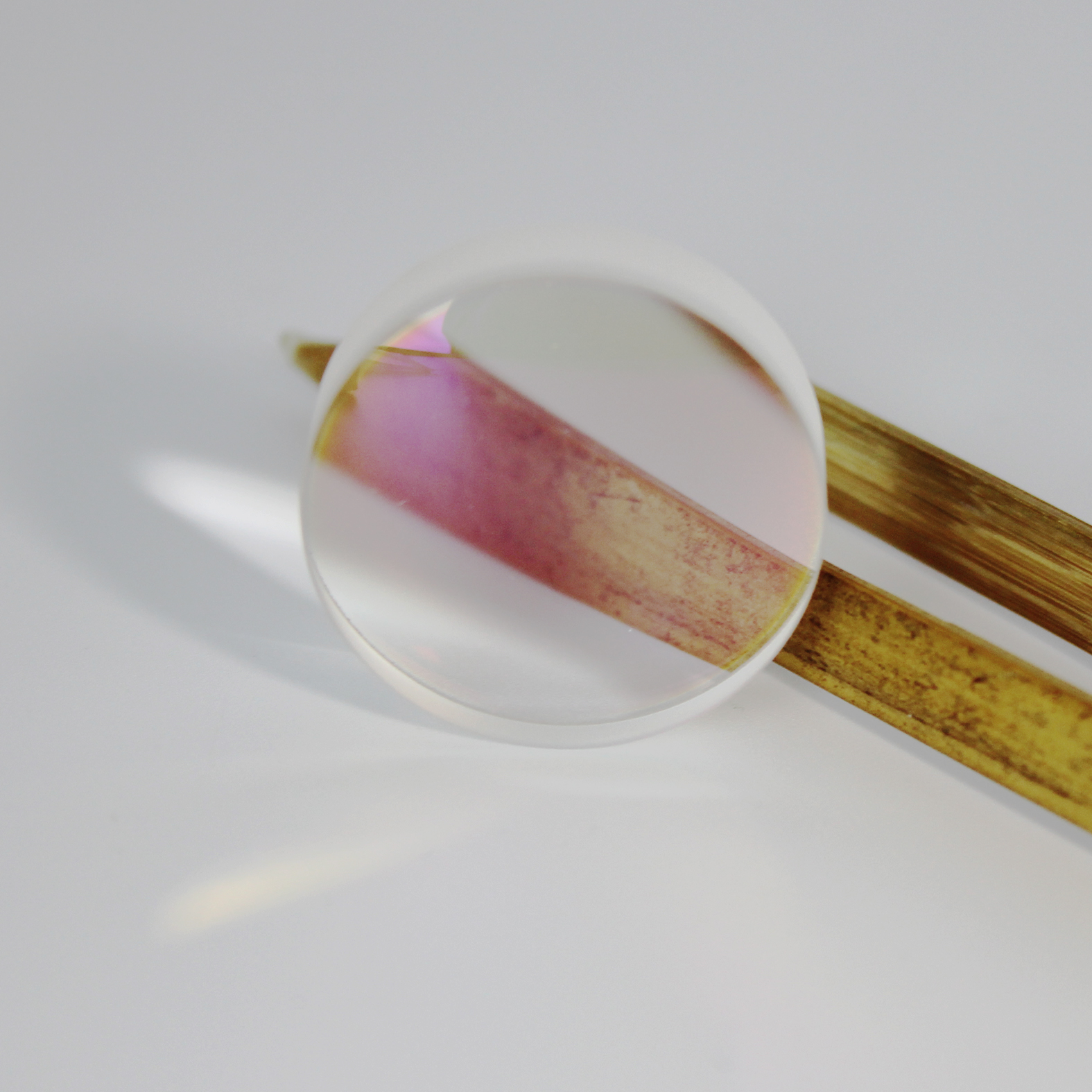
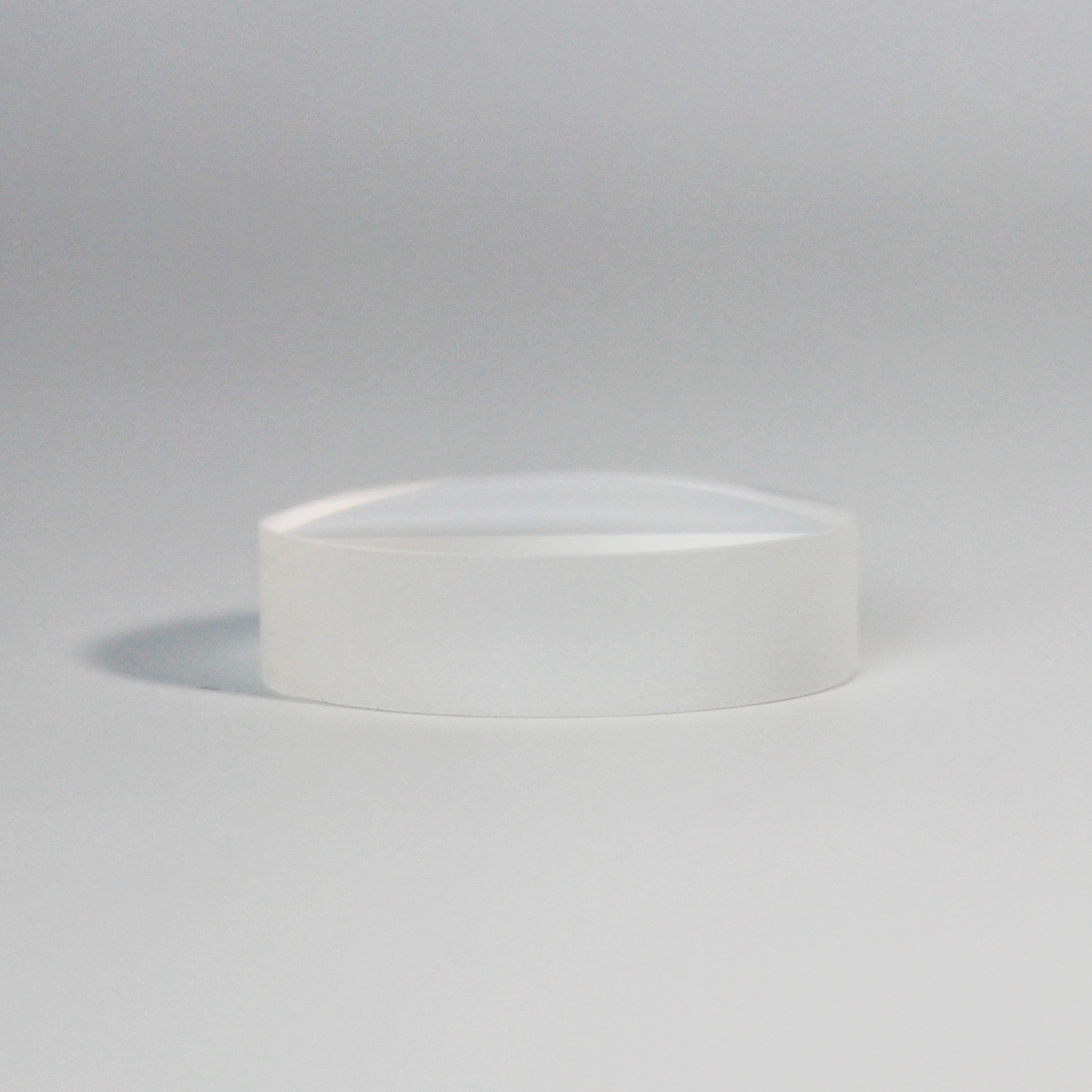
Picture of Bi Convex Lens
Video of Optical Convex Lens
Key Features of Double Convex Lenses
Two Convex Optical Surfaces
A double convex lens has a curved surface on each side. This symmetrical or asymmetrical structure can be designed to meet different optical requirements.
Light Converging Capability
A bi-convex lens is generally a converging lens. It refracts incoming light toward a focal region. The actual focal length depends on the lens material and surface curvature.
Flexible Optical Design
Both surface radii, center thickness, diameter, and material can be specified according to the optical design. These parameters help determine the lens performance.
Optional Optical Coatings
Anti-reflection coatings and other suitable optical coatings may be considered according to the wavelength range and application requirements.
How Does a Bi-Convex Lens Work?
When light passes through a bi-convex lens, refraction occurs at both curved surfaces. The lens changes the direction of the light rays and generally brings them toward a focal point.
For collimated incoming light, the focal position is mainly determined by the lens curvature and refractive index. A suitable lens design can support light focusing and image formation in an optical system.
Applications of Bi-Convex Optical Lenses
Depending on the optical design and specifications, double convex lenses can be used in:
- Optical imaging systems
- Light focusing assemblies
- Optical instruments
- Projection and illumination equipment
- Optical measurement systems
- Laboratory optical setups
- General-purpose optical assemblies
How to Choose the Right Bi-Convex Lens
Selecting a suitable bi-convex lens requires consideration of several optical and mechanical parameters:
- Material: Select an optical glass according to the required refractive index and wavelength range.
- Diameter: Confirm the lens diameter and clear aperture required by the assembly.
- Focal Length: Specify the required focal length based on the optical design.
- Surface Curvature: Confirm the radius of curvature for both optical surfaces.
- Center Thickness: Define the required lens thickness and mechanical dimensions.
- Surface Quality: Specify surface accuracy, scratch-dig requirements, and other inspection criteria.
- Coating: Confirm whether an anti-reflection or other optical coating is needed.
Bi-Convex Lens Manufacturing at VY Optics
VY Optics provides optical lens processing and manufacturing services based on customer drawings and technical specifications. We can discuss material selection, lens geometry, dimensions, surface quality, and coating requirements.
Whether you need a standard double convex lens or a lens designed for a specific optical assembly, please share your technical requirements for evaluation.
Frequently Asked Questions
What Is Another Name for a Bi-Convex Lens?
A bi-convex lens is also called a double convex lens. Both terms describe a lens with two outward-curved convex surfaces.
Is a Bi-Convex Lens a Converging Lens?
Yes. A bi-convex lens made from a typical optical material is generally a converging lens. It refracts light toward a focal region.
What Is the Difference Between a Bi-Convex Lens and a Plano-Convex Lens?
A bi-convex lens has two convex surfaces, while a plano-convex lens has one flat surface and one convex surface. Their optical behavior and suitable design conditions are different.
Can the Focal Length Be Customized?
The focal length can be specified through the optical design. It depends on the refractive index of the material and the curvature of both lens surfaces.
Which Materials Are Available for Bi-Convex Lenses?
Suitable optical glass materials can be selected according to the required wavelength range, refractive index, and optical performance. Please confirm the material requirements when requesting a quotation.
Can Bi-Convex Lenses Be Supplied with Optical Coatings?
Coating options can be discussed according to the lens material, wavelength range, and intended optical configuration.
Request a Quote for Bi-Convex Lenses
Looking for a bi-convex lens manufacturer? Contact VY Optics with your drawings or specifications. Please include the required material, diameter, focal length, center thickness, surface quality, coating, and order quantity. Our team will review your requirements and provide manufacturing feedback.