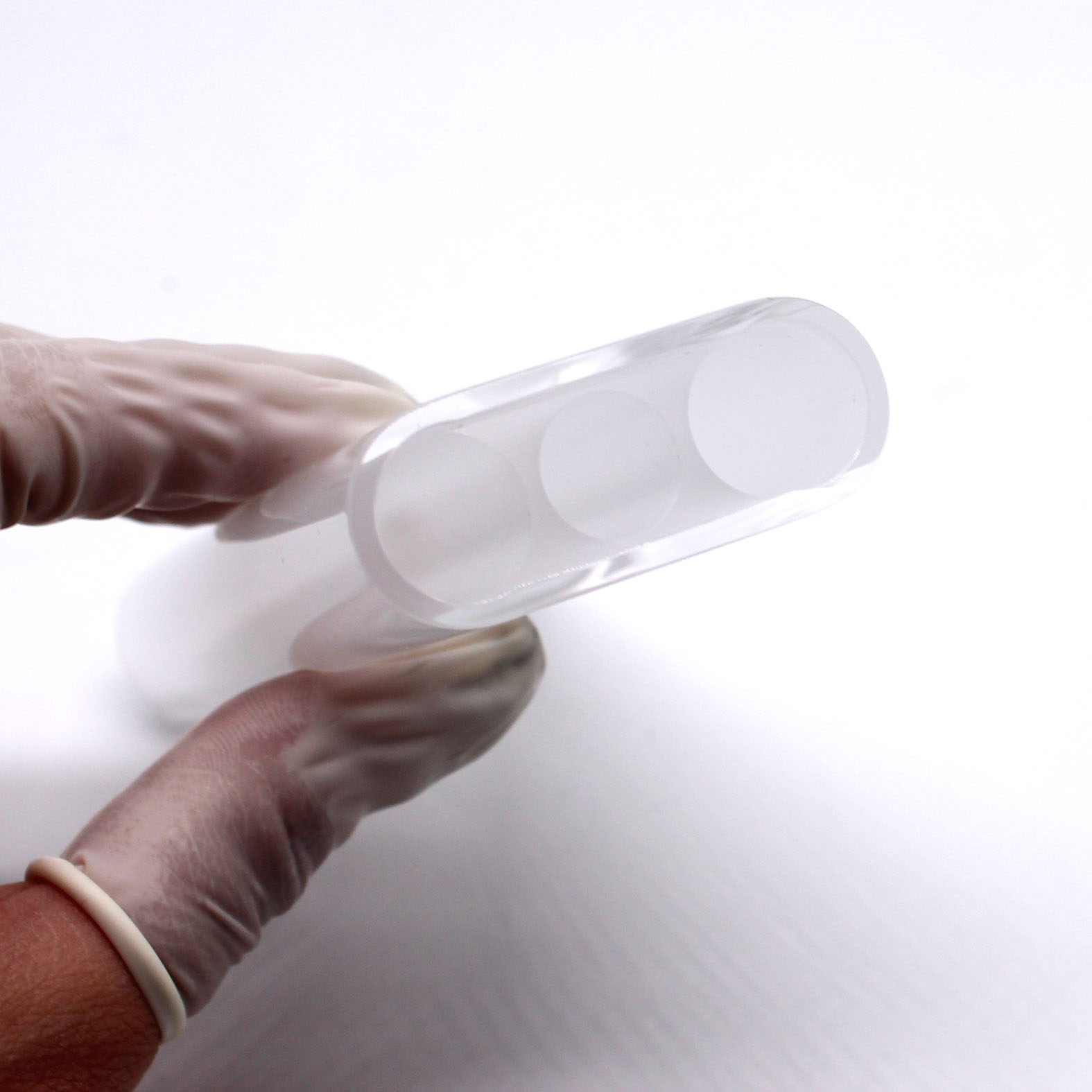

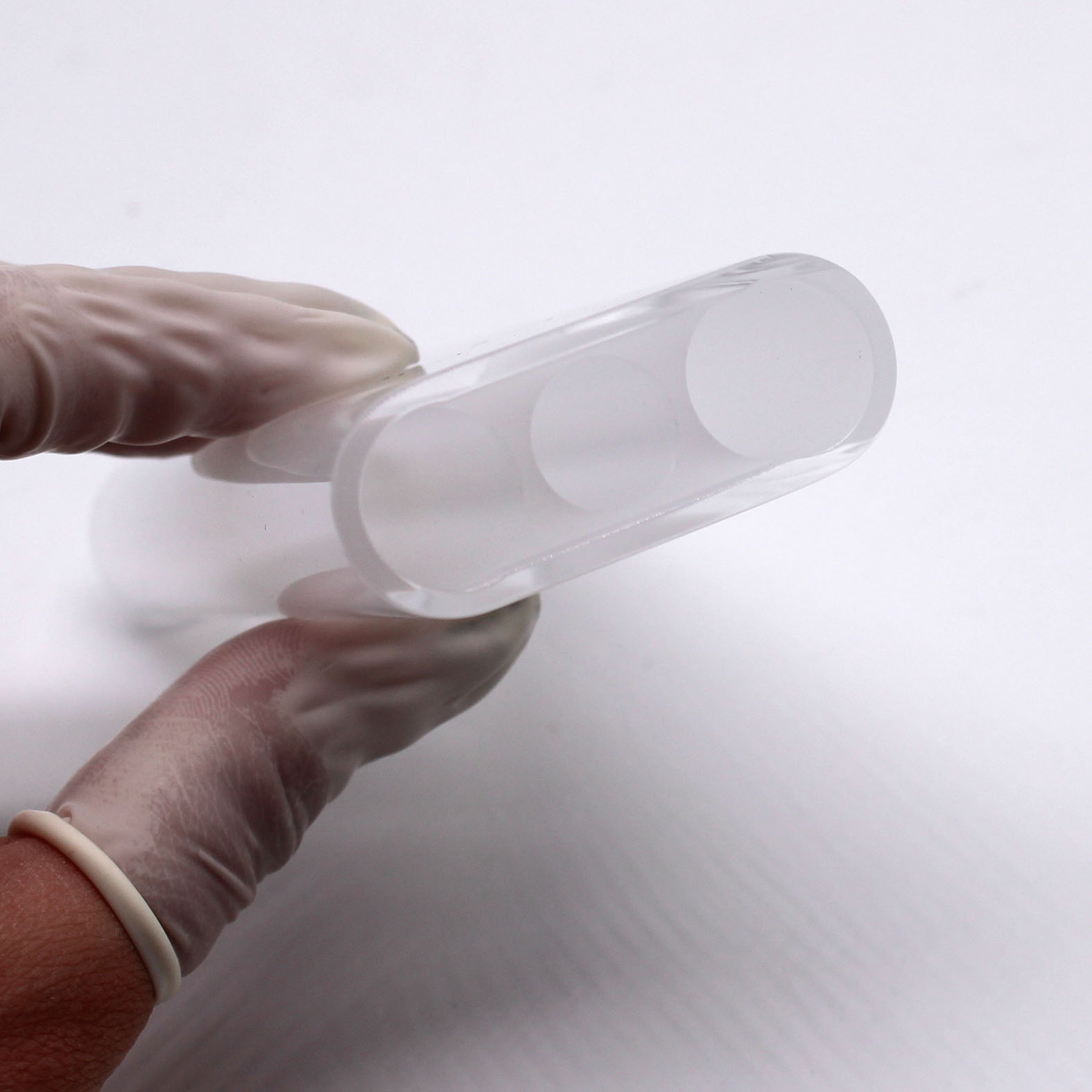
What is a Candela Laser Cavity Filter?
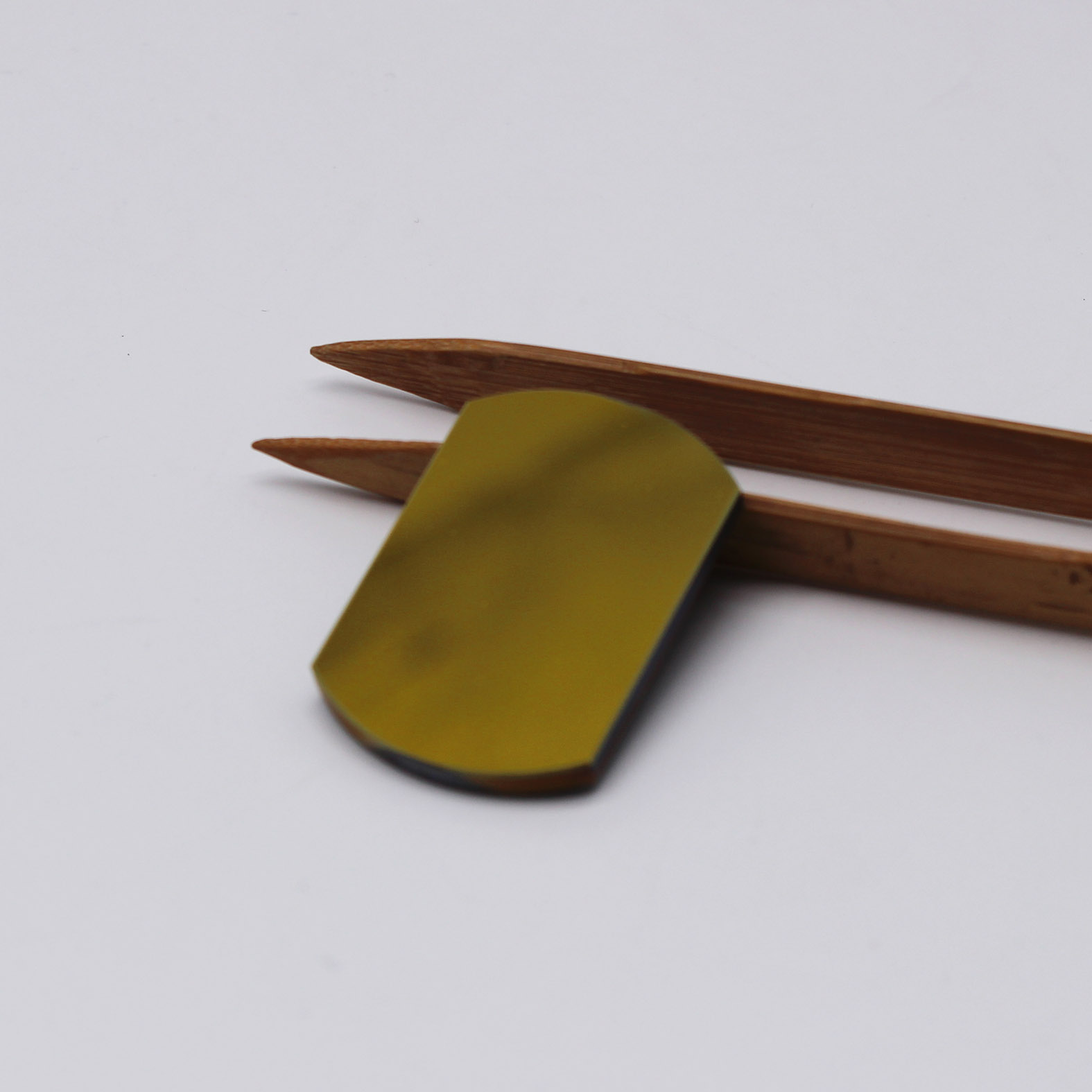
A Candela Laser Cavity Filter is a specialized optical filter designed to selectively transmit laser light while blocking unwanted wavelengths. It is essential for improving laser beam purity and stability in various optical systems.
Product Specifications
| Parameter | Description | Unit |
|---|---|---|
| Filter Type | Laser Cavity Filter | — |
| Central Wavelength | 532 nm (example) | nm |
| Bandwidth (FWHM) | 1.5 nm | nm |
| Insertion Loss | ≤ 0.5 dB | dB |
| Damage Threshold | 1 GW/cm² | — |
| Operating Temperature | -10 to 50 | °C |
| Substrate Material | Optical Grade Fused Silica | — |
| Coating | High Reflective Dielectric | — |
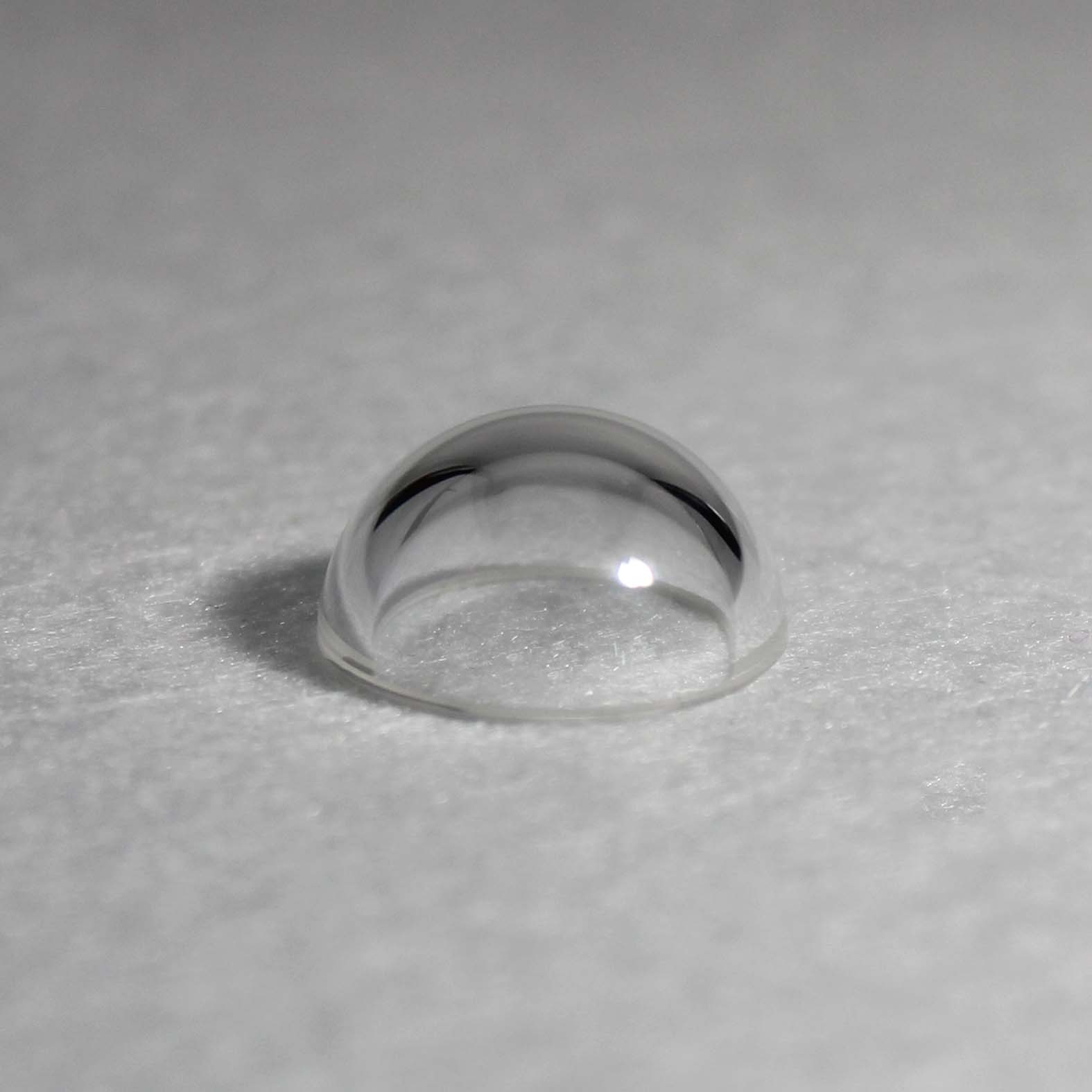
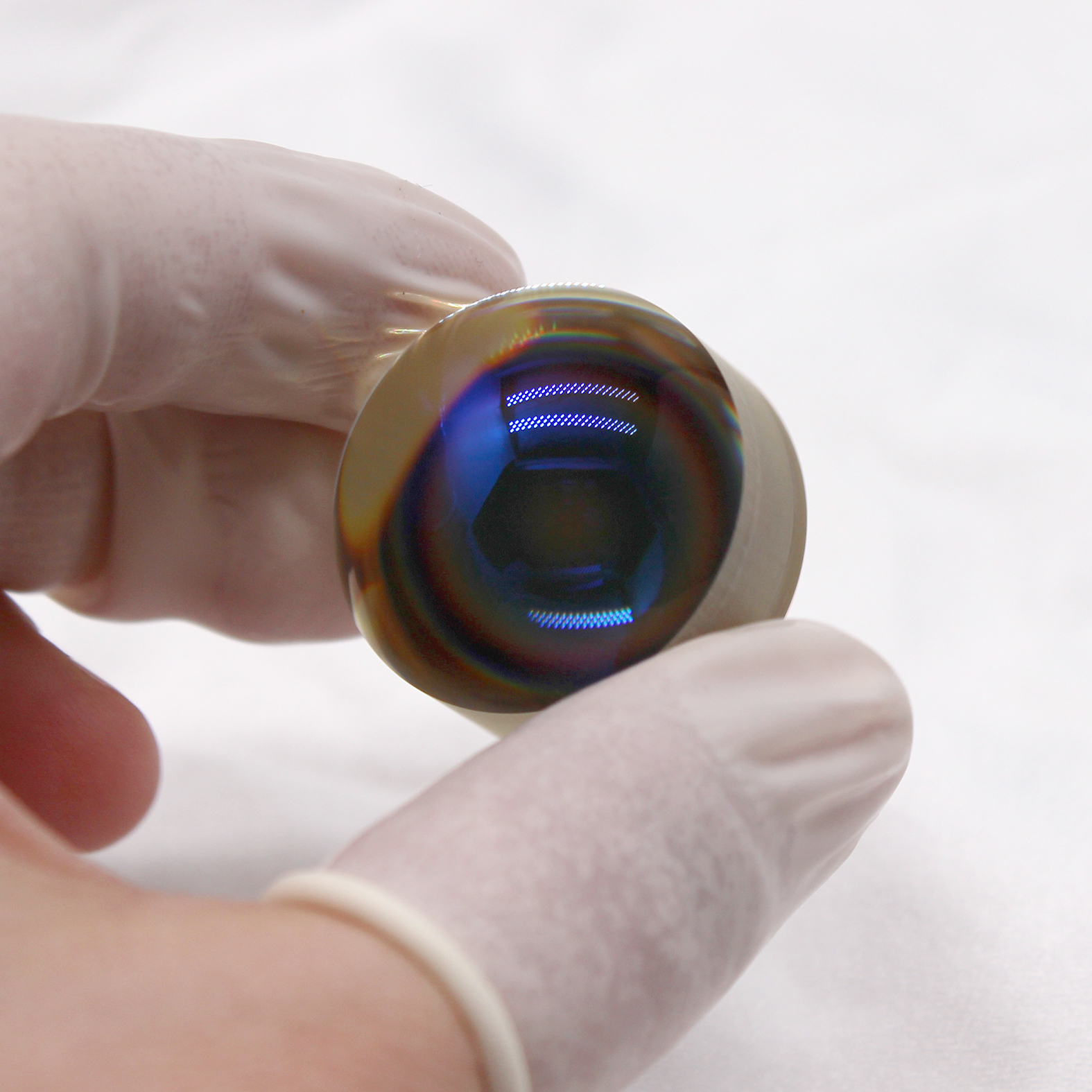
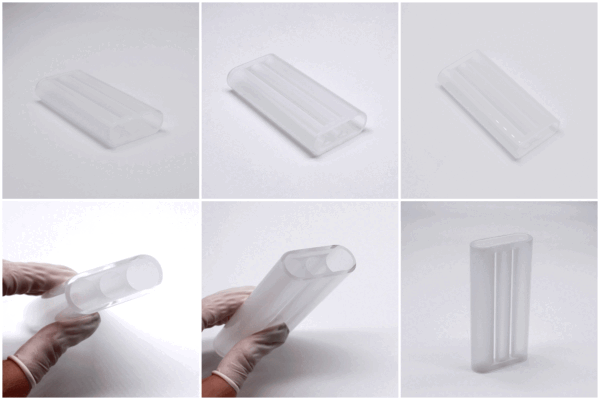
Picture of Candela Laser Cavity Filter
What are the Key Features of this Laser Cavity Filter?
- High spectral selectivity for precise wavelength filtering
- Low insertion loss to maintain beam intensity
- Durable dielectric coating for long-term reliability
- Excellent thermal stability across a wide temperature range
- Compact and lightweight design for easy integration
Where Can You Use the Candela Laser Cavity Optical Filter?
This laser cavity filter is widely used in:
- Scientific research laboratories for laser experiments
- Industrial laser processing systems
- Medical laser devices requiring high beam quality
- Telecommunications and optical communication setups
- Precision measurement instruments
Detailed Video of Candela Cavity
Why Choose the Candela Laser Resonator Filter?
- Enhances laser beam stability and quality
- Reduces stray light and unwanted wavelengths
- Robust construction for demanding environments
- Customizable specifications to fit diverse applications
- Supported by professional technical service
People Also Ask (FAQs)
Q: How does a laser cavity filter improve beam quality?
A: It selectively blocks unwanted wavelengths and noise, allowing only the desired laser wavelength to pass, resulting in a cleaner, more stable beam.
Q: Can the Candela Laser Cavity Filter be customized?
A: Yes, we offer customization options including different central wavelengths, bandwidths, and substrate materials based on your project needs.