
What is an Optical Mirror?
How Does an Optical Mirror Work?
When light reaches the reflective surface of an optical mirror, a large portion of the incident light is reflected according to the optical design. The substrate quality, surface accuracy, coating type, and angle of incidence all influence the overall reflection performance.
Specifications of Optical Mirror
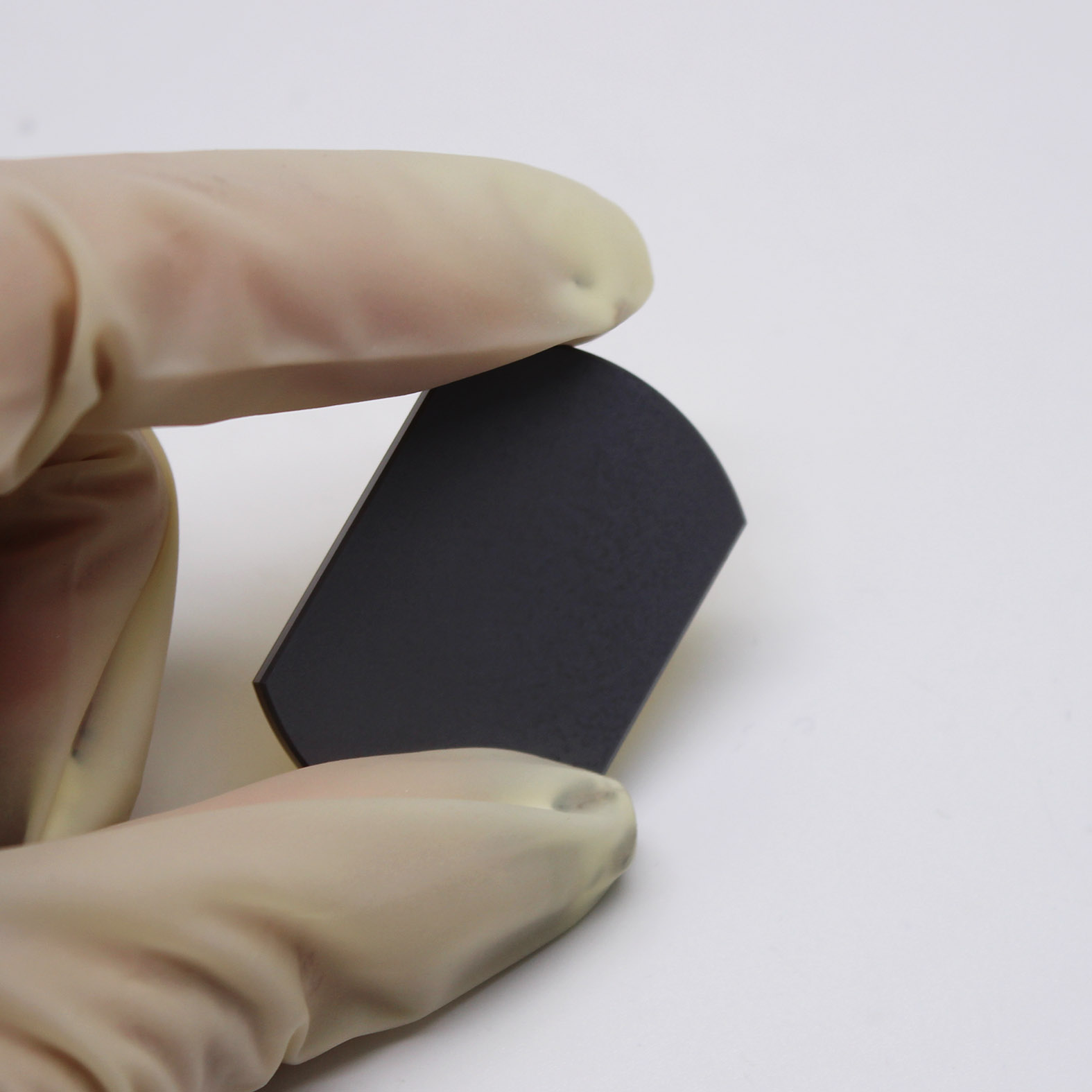
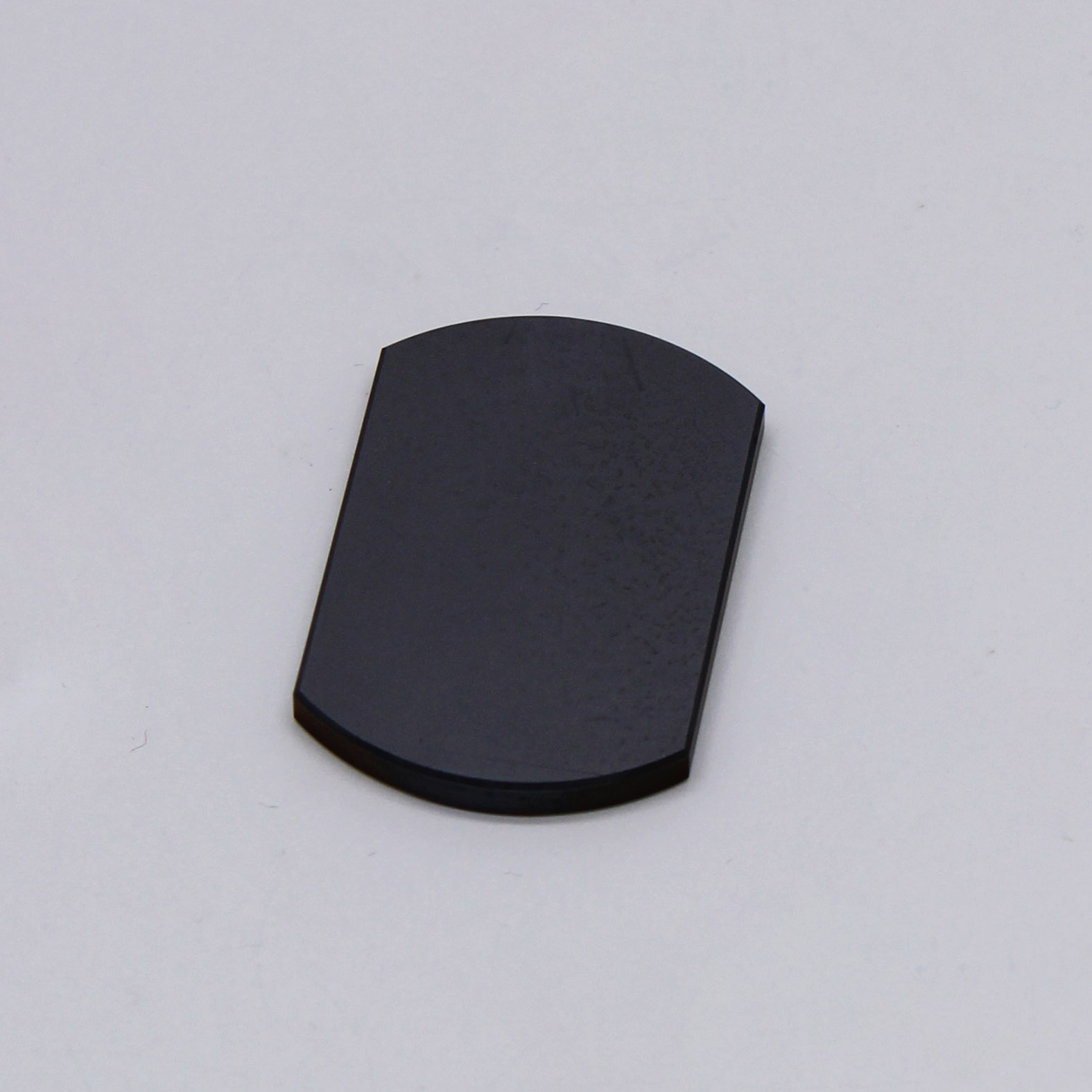
| Material: | Silicon |
| Width: | 25.4mm |
| Thickness: | 3mm |
| Thickness: | 4mm |
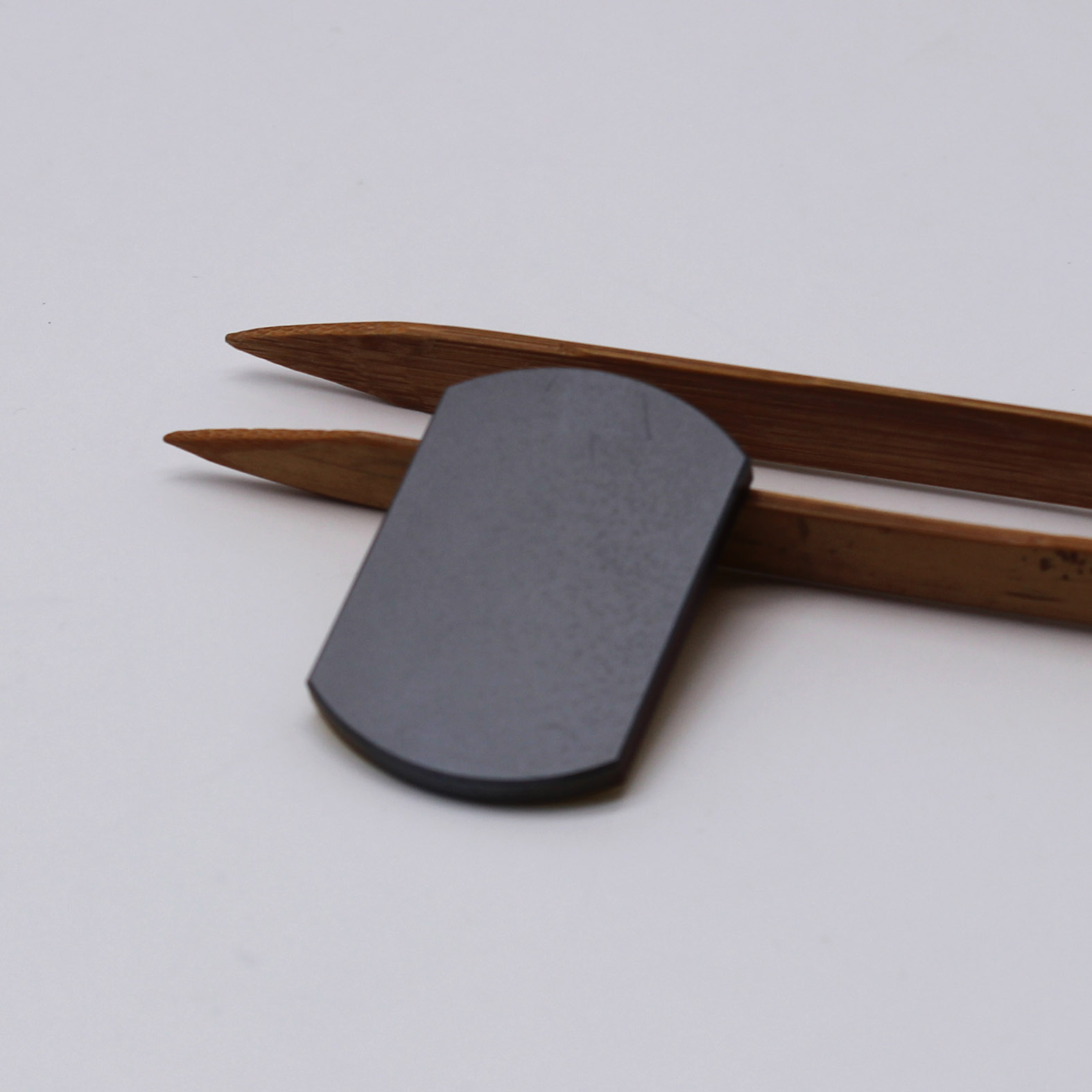
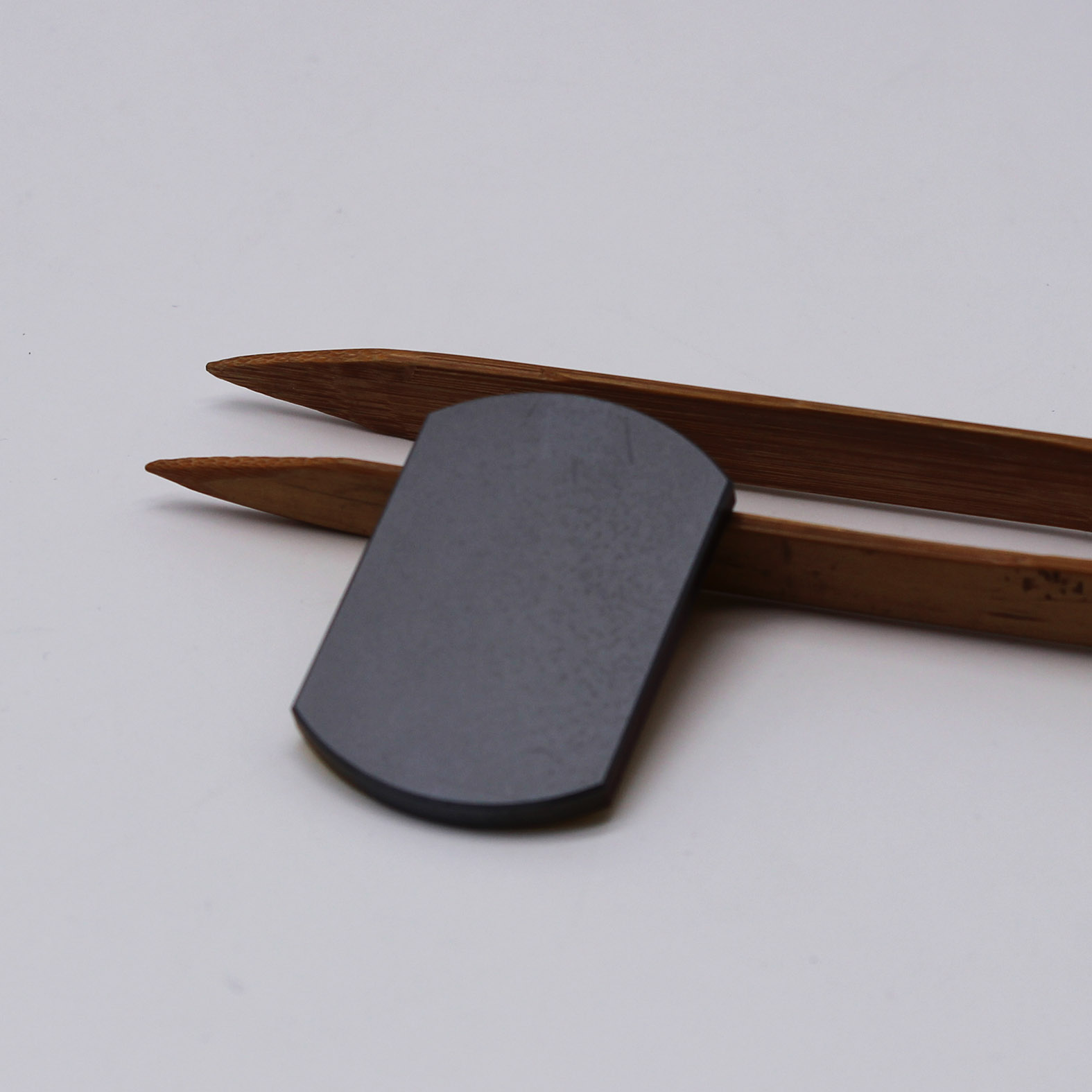
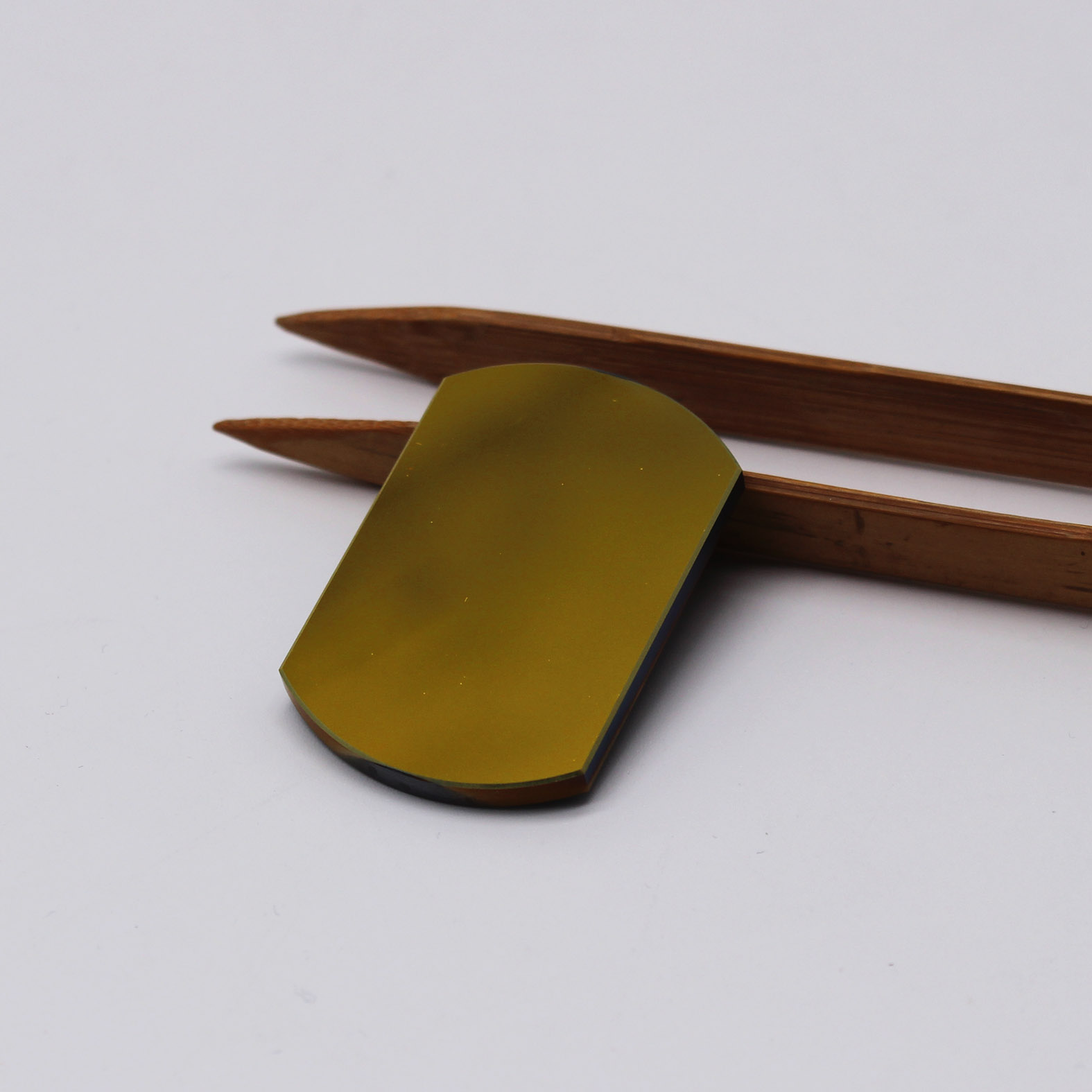
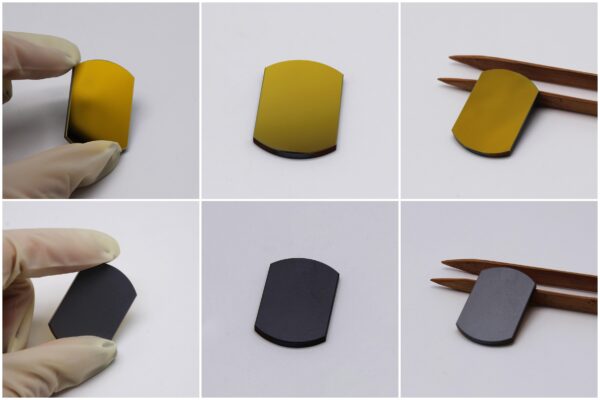
Picture of Optical Mirror
Key Features
- High reflectivity performance
- Precision polished optical surface
- Excellent surface quality
- Stable optical performance
- Various substrate materials available
- Multiple shape and size options
- Customized reflective coatings
Types of Optical Mirrors
- Glass Optical Mirror
- Fused Silica Optical Mirror
- Plane Optical Mirror
- Concave Optical Mirror
- Convex Optical Mirror
- Coated Optical Mirror
Applications
- Optical imaging systems
- Light reflection assemblies
- Measurement instruments
- Optical testing equipment
- Imaging equipment
- Precision optical systems
Optical Mirror Manufacturing
We manufacture optical mirrors using precision grinding, polishing, coating, and inspection processes. The optical substrate, dimensions, surface accuracy, reflective coating, and mechanical features can be produced according to customer drawings and technical requirements.
Customization Options
- Custom mirror diameter and dimensions
- Different optical substrate materials
- Flat, concave, or convex surfaces
- Customized reflective coatings
- Precision surface finishing
- Custom edge processing
- Prototype and volume production
People Also Ask (FAQs)
Can optical mirrors be customized?
Yes. Dimensions, substrate materials, surface shape, surface accuracy, reflective coatings, and mechanical features can be customized.
What determines the reflectivity of an optical mirror?
Reflectivity depends mainly on the reflective coating, substrate surface quality, wavelength range, angle of incidence, and overall optical design.