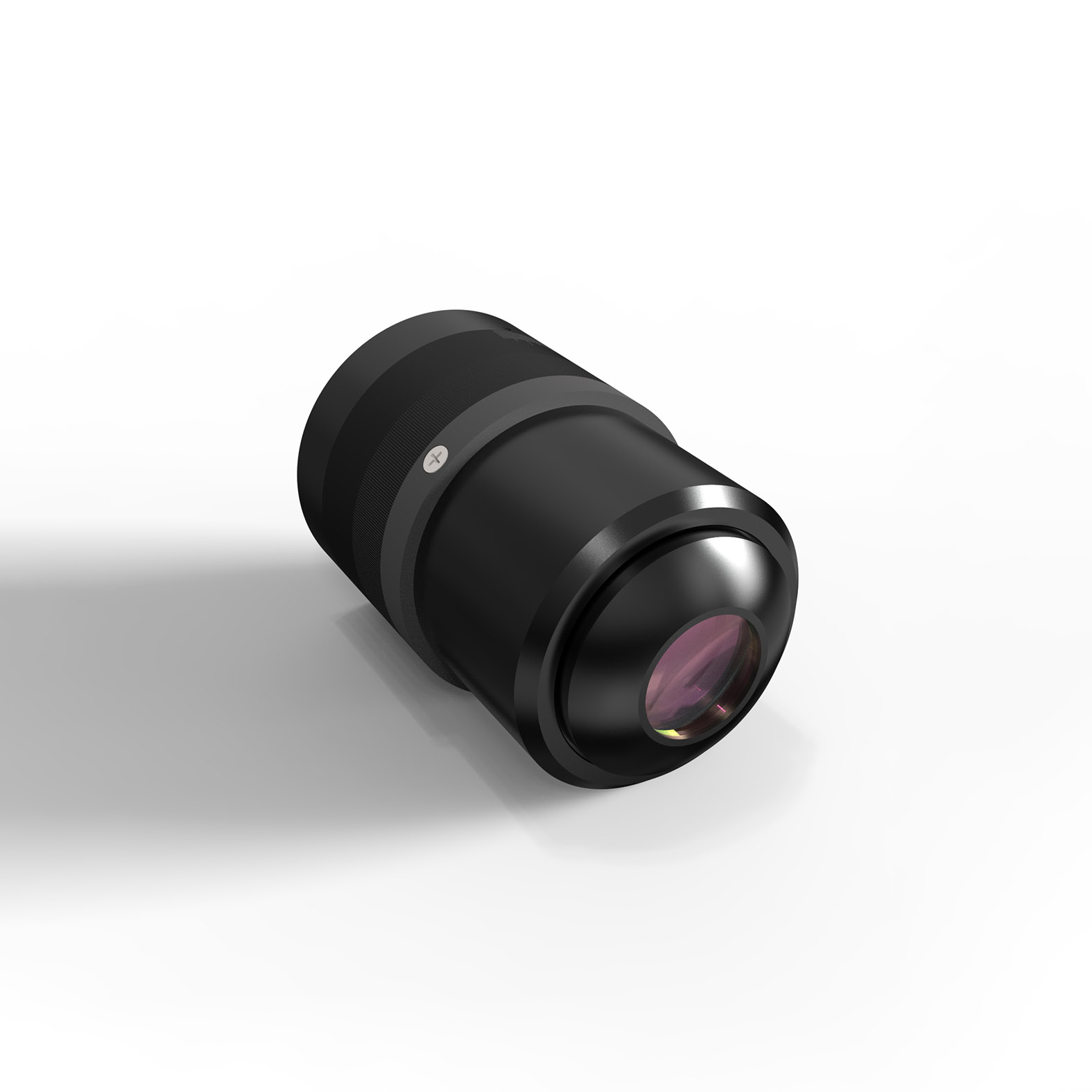
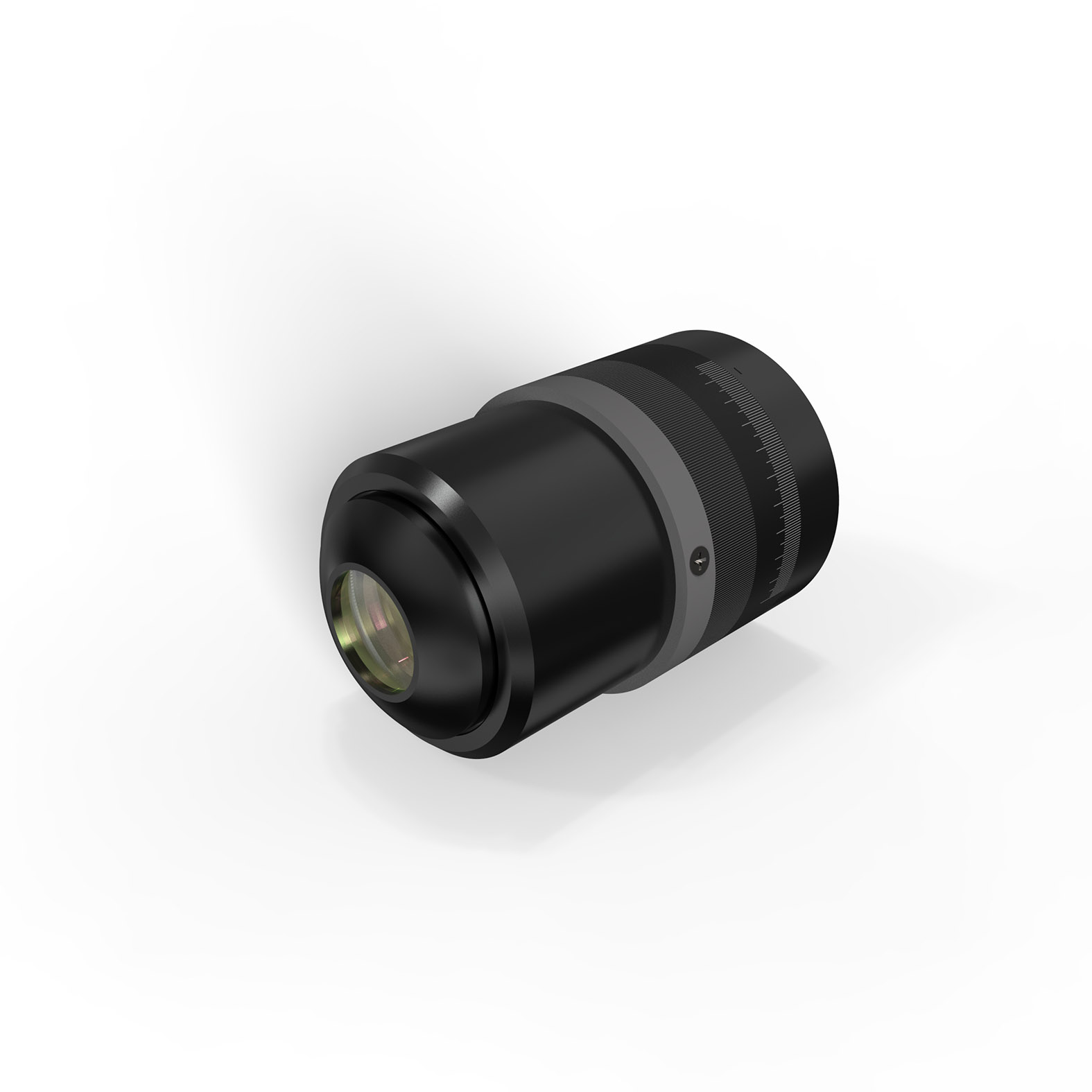
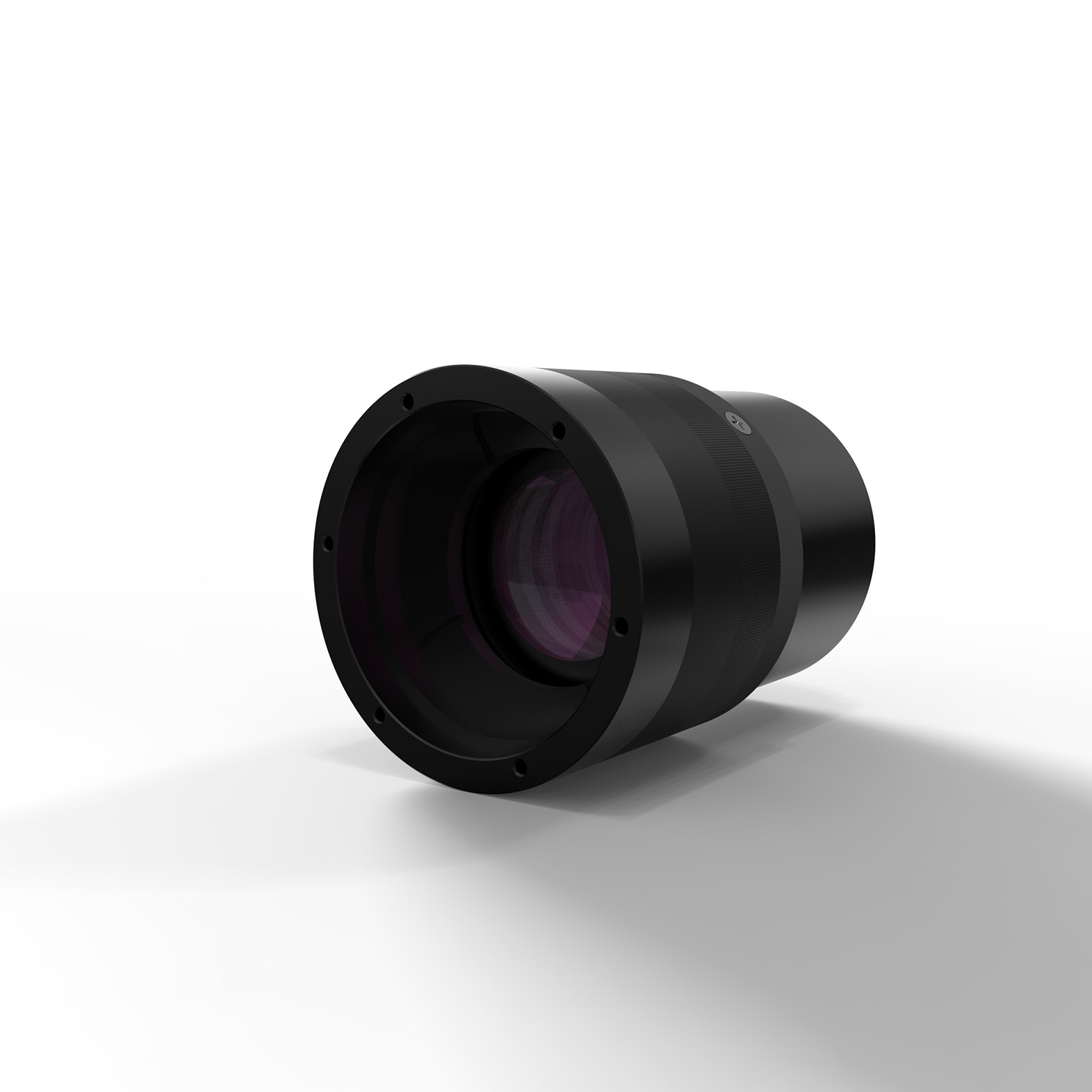
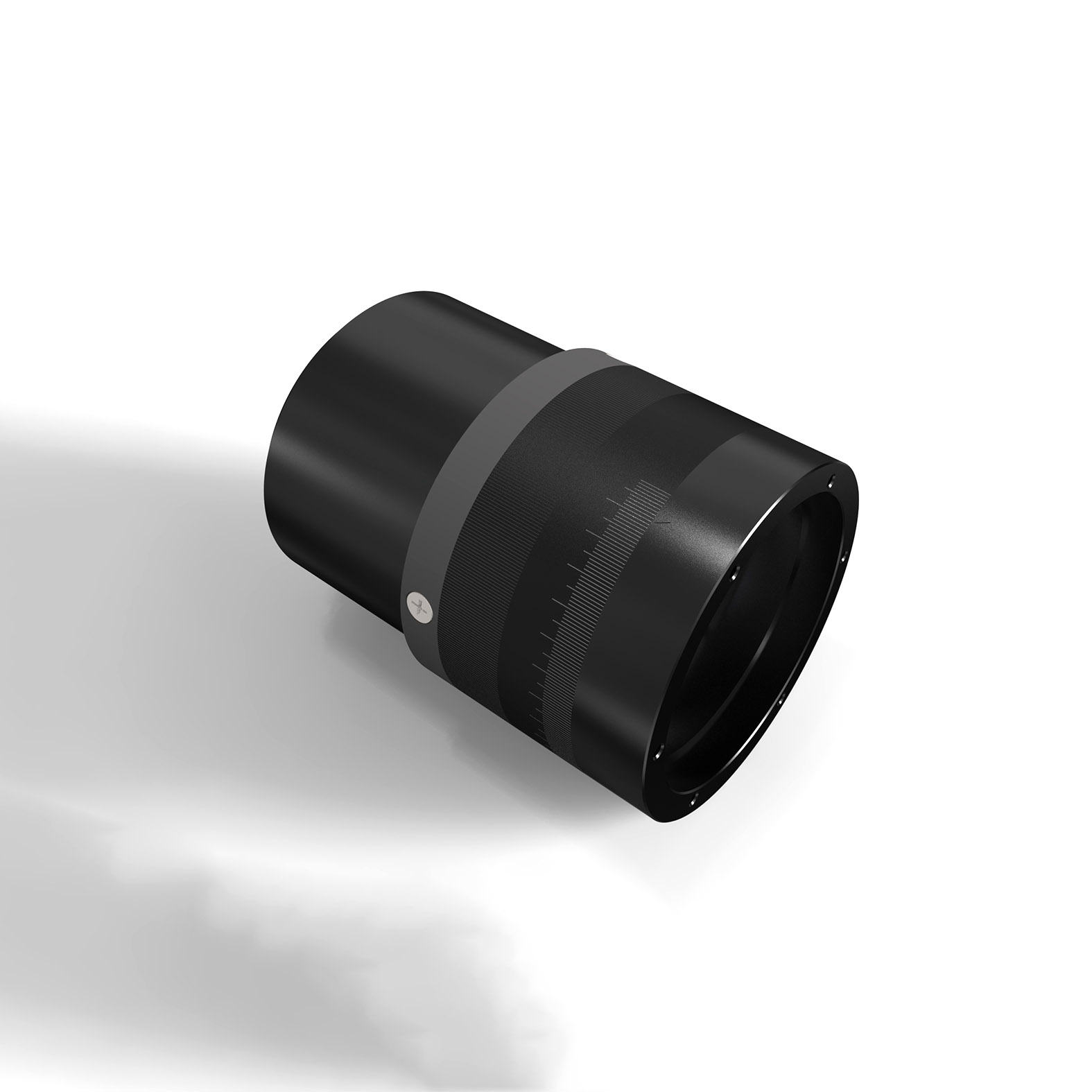
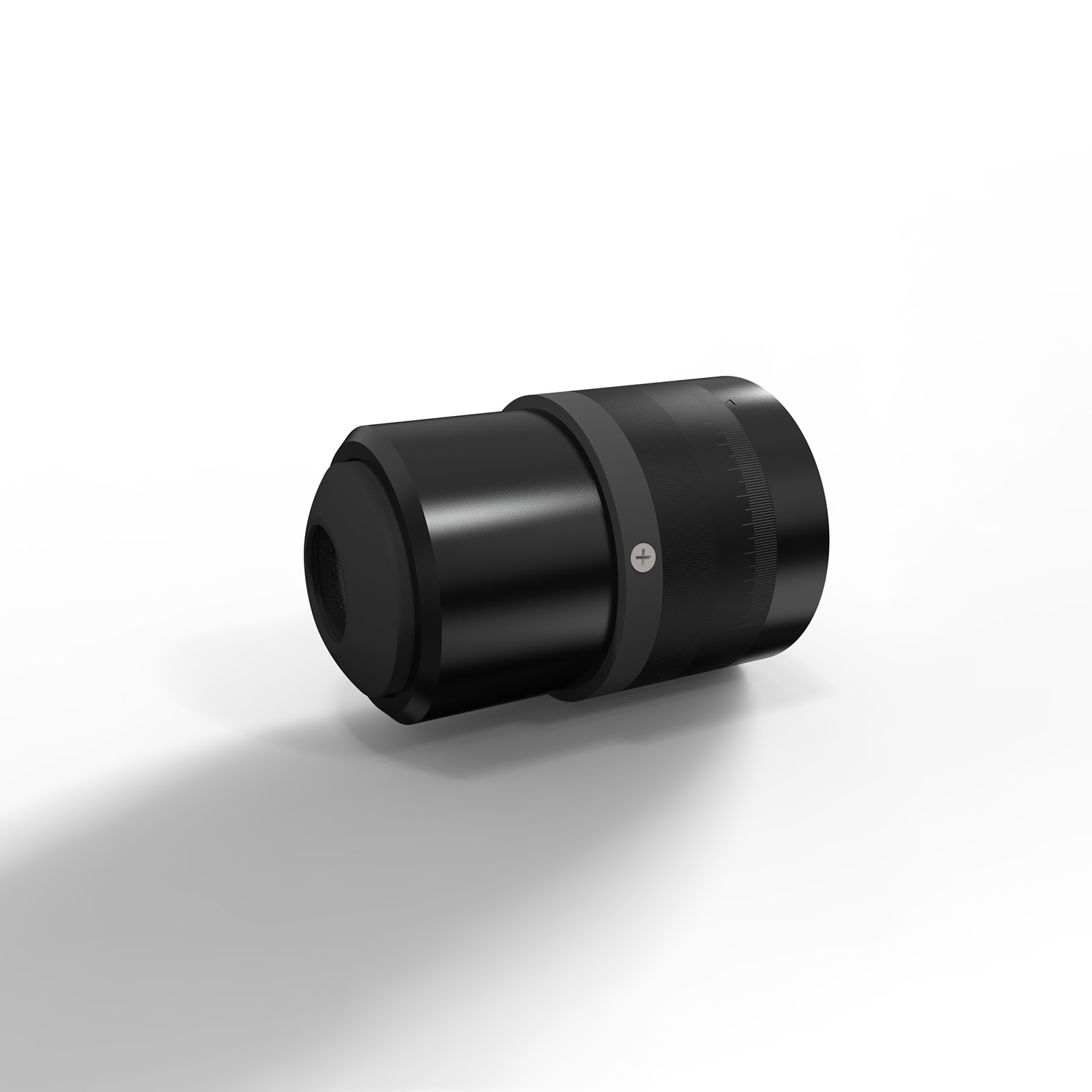
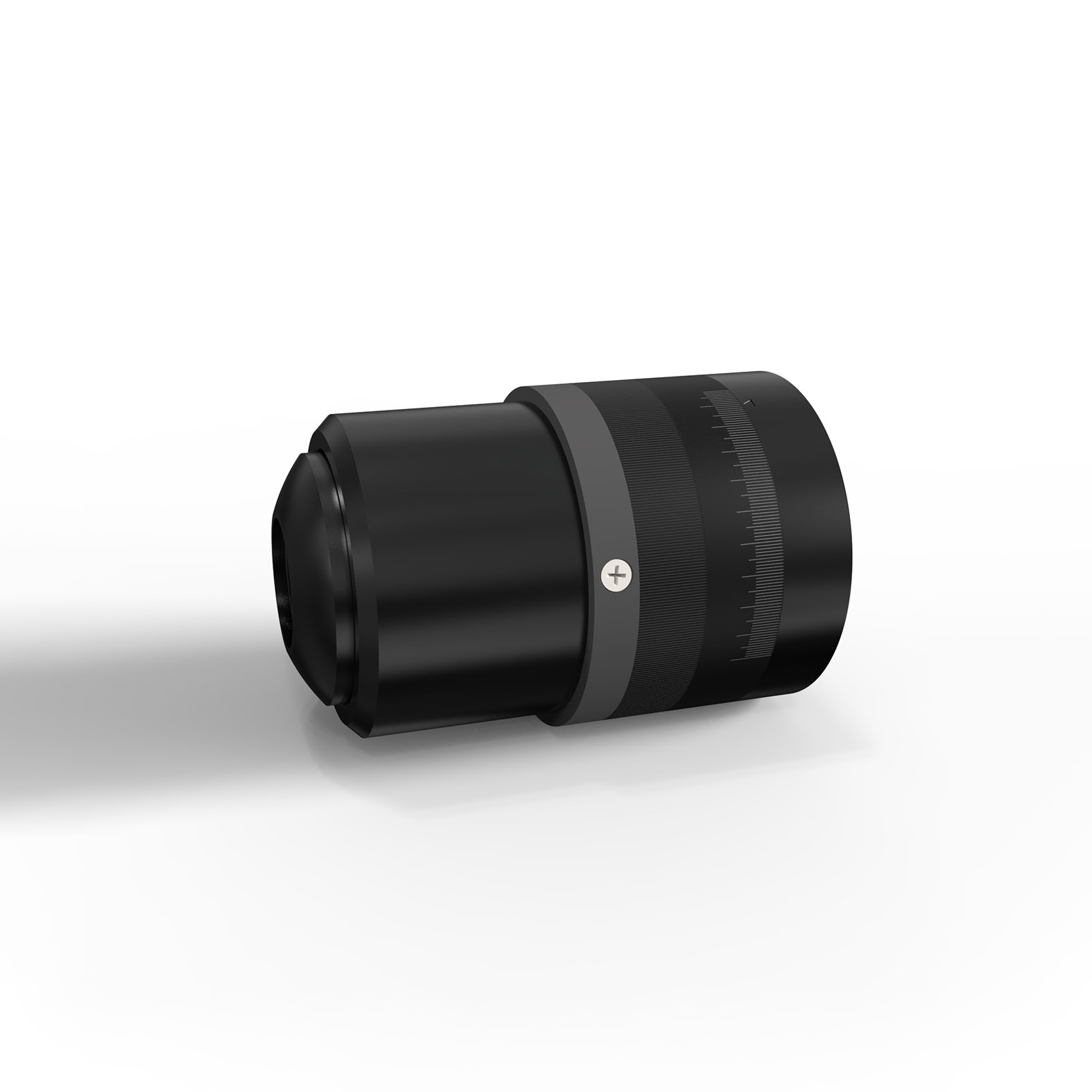
What Is a Collimating Objective Lens?
A collimating objective lens is an optical component designed to control the direction and divergence of light. It can convert diverging light into a more parallel beam or collect incoming light for further optical processing.
Collimating Objective Lens Specifications
| Operating Wavelength | 850 nm |
| System Transmittance | >95%, optimized >98% |
| Output Divergence Angle | <1 mrad, better <0.5 mrad |
| Applicable Light Sources | LD / VCSEL / Optical Output / Point Light Source |
| Recommended Focal Length | Customizable: 4mm / 6mm / 8mm / 10mm / 15mm / 25mm |
| Mechanical Interface | M6 / M9 / M12 / M16 / M22 / C-mount / Custom Flanges |
Picture of Objective Lens
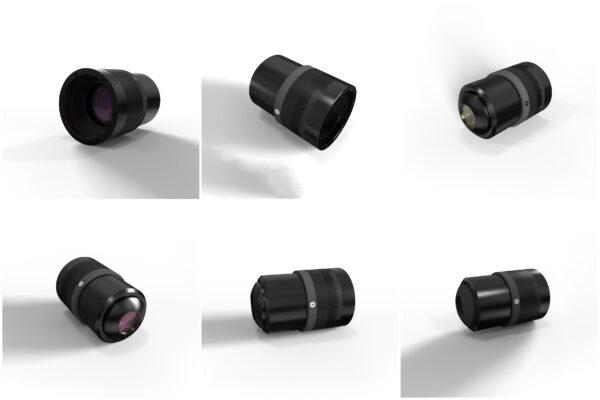
Video of Collimating Objective Lens
Key Features of Collimating Objective Lenses
Optical Coating Options
Suitable optical coatings can be selected based on the working wavelength and transmission requirements. This helps optimize the lens for its intended operating conditions.
Applications of Collimating Objective Lenses
- Optical Instruments: Light collimation and optical path control.
- Optical Measurement: Beam preparation for precision measurement equipment.
How to Select a Suitable Collimating Objective Lens
- Operating wavelength and spectral range.
- Input beam diameter and output beam requirements.
- Optical aberration and wavefront requirements.
Frequently Asked Questions
Which parameters are important for a collimating objective lens?
Focal length, numerical aperture, operating wavelength, input beam diameter, optical quality, and mechanical dimensions are important selection parameters.