What Is a Quartz Glass Two Bore Component?
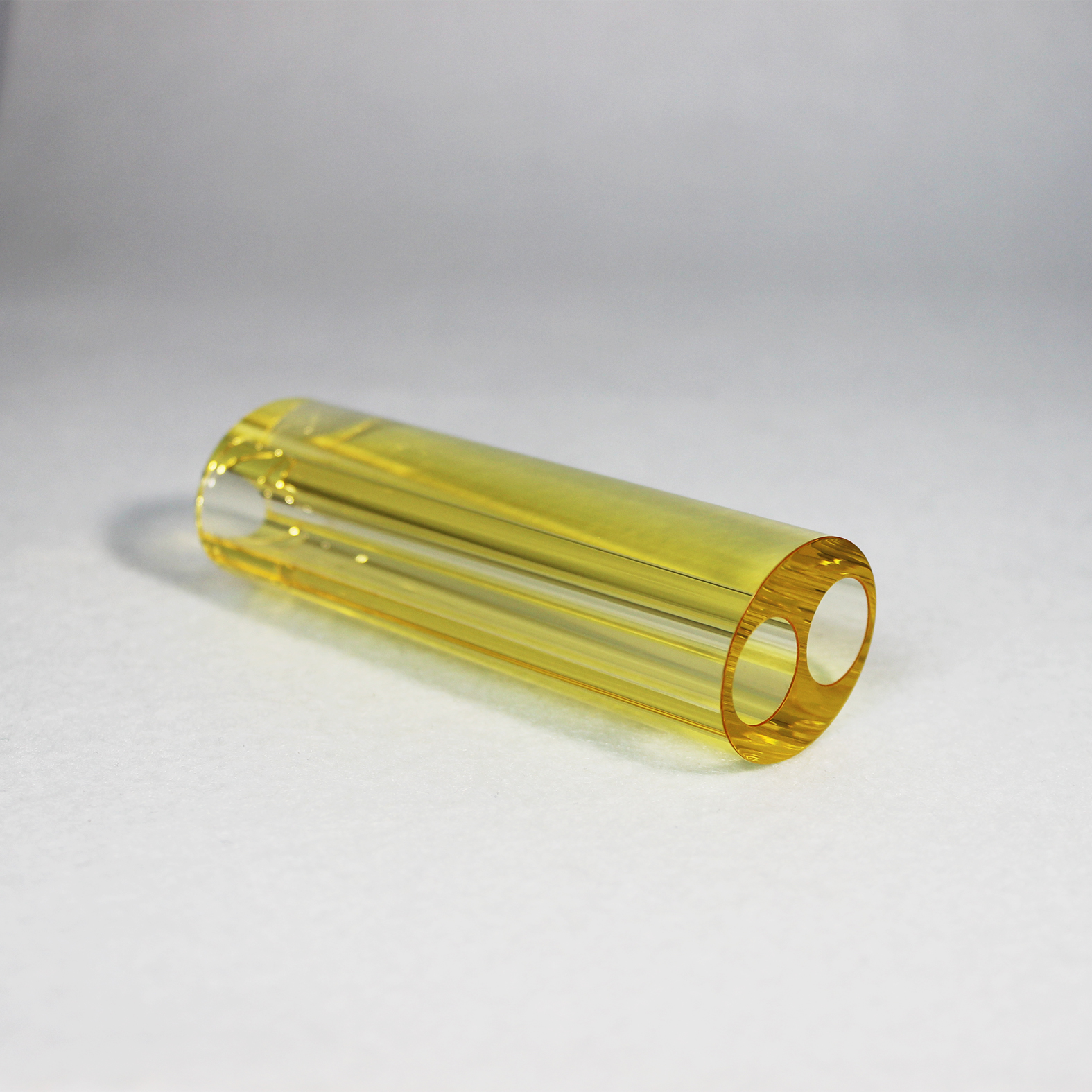
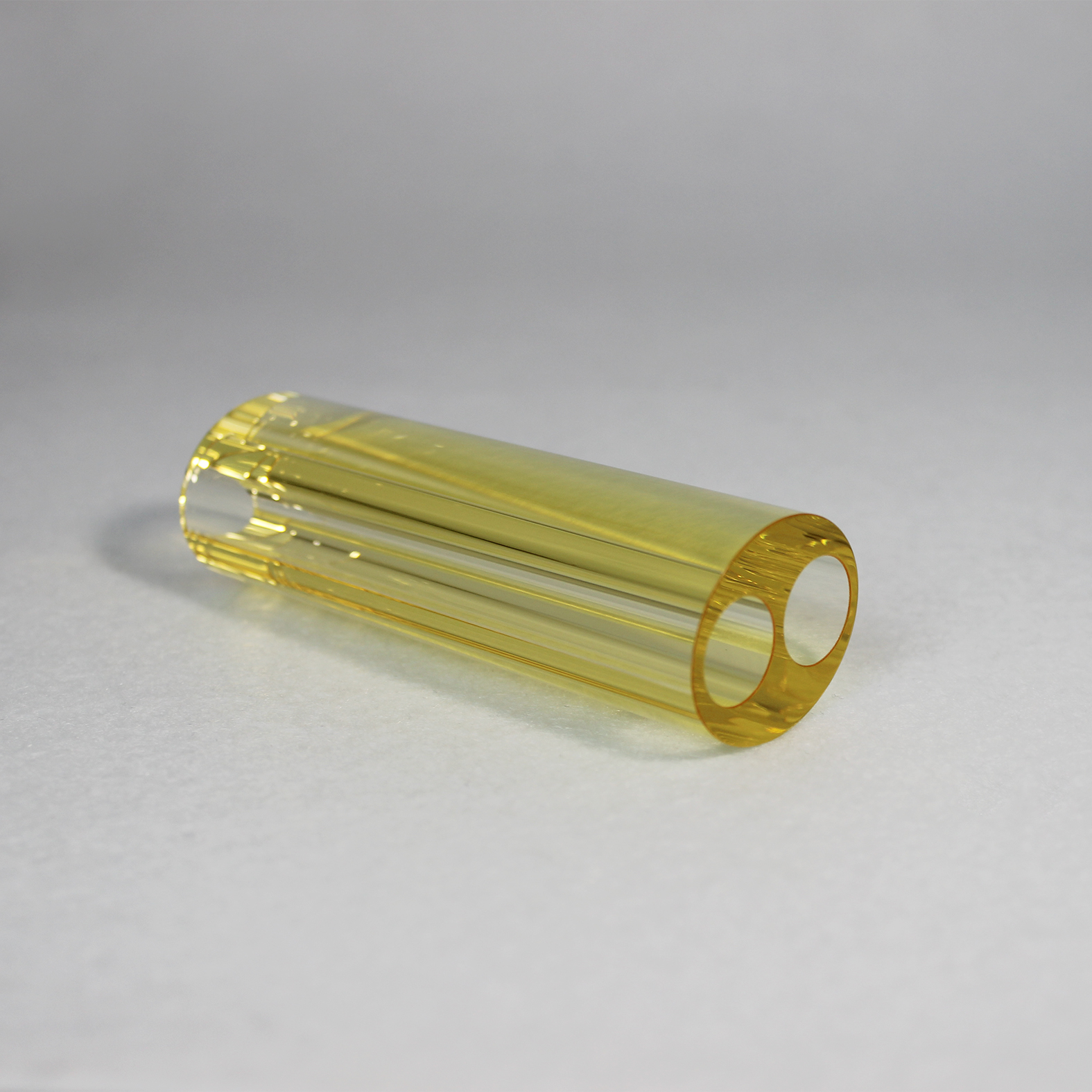
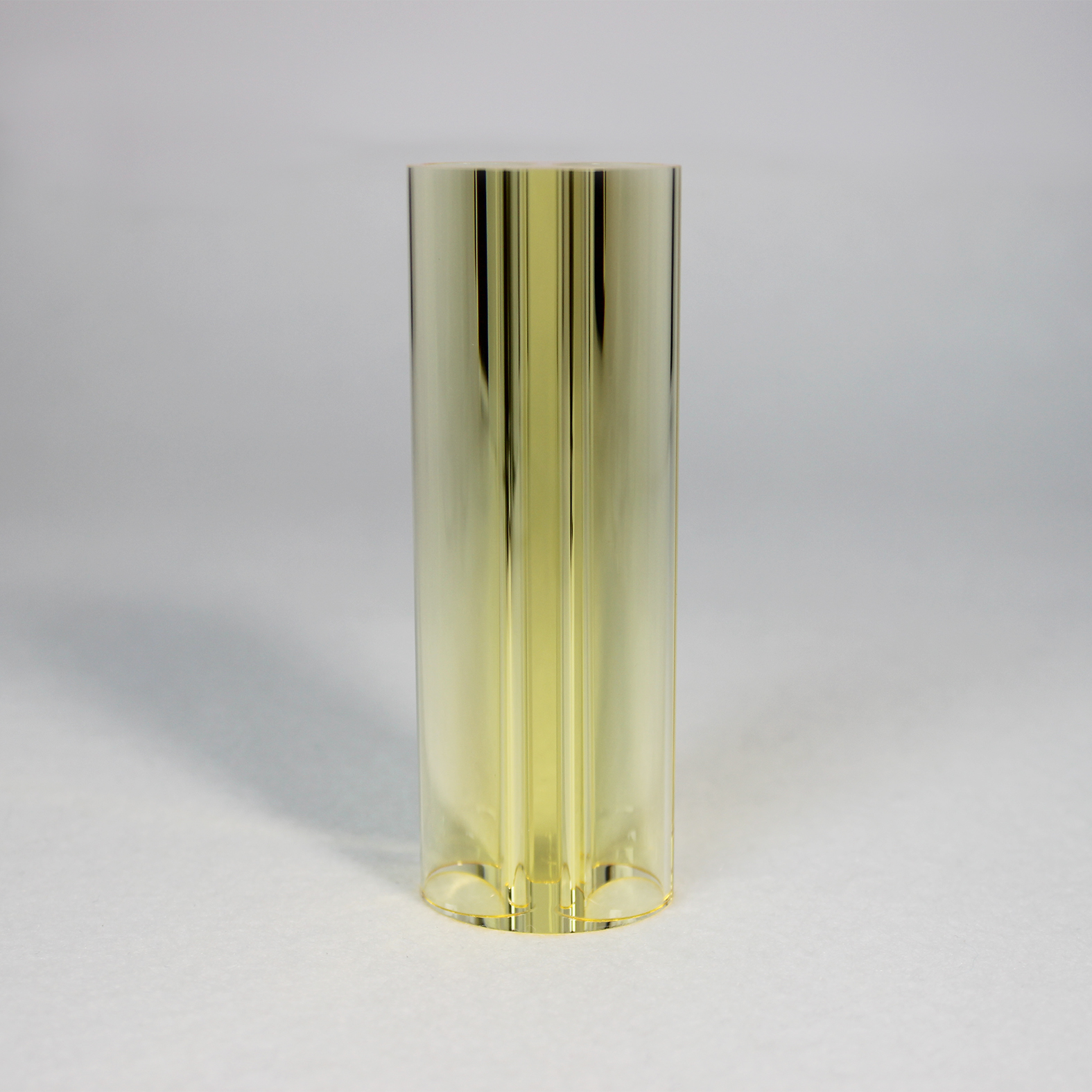
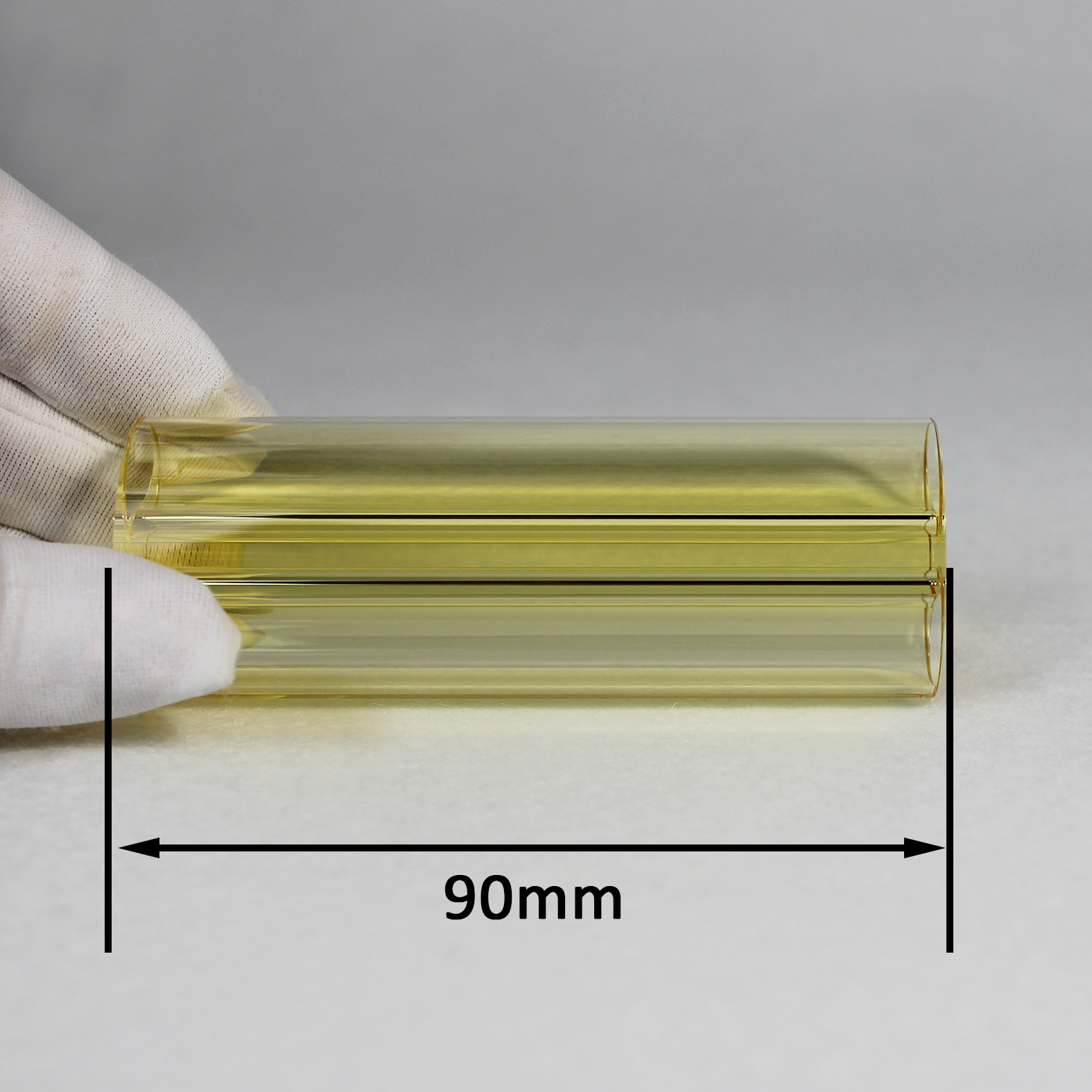
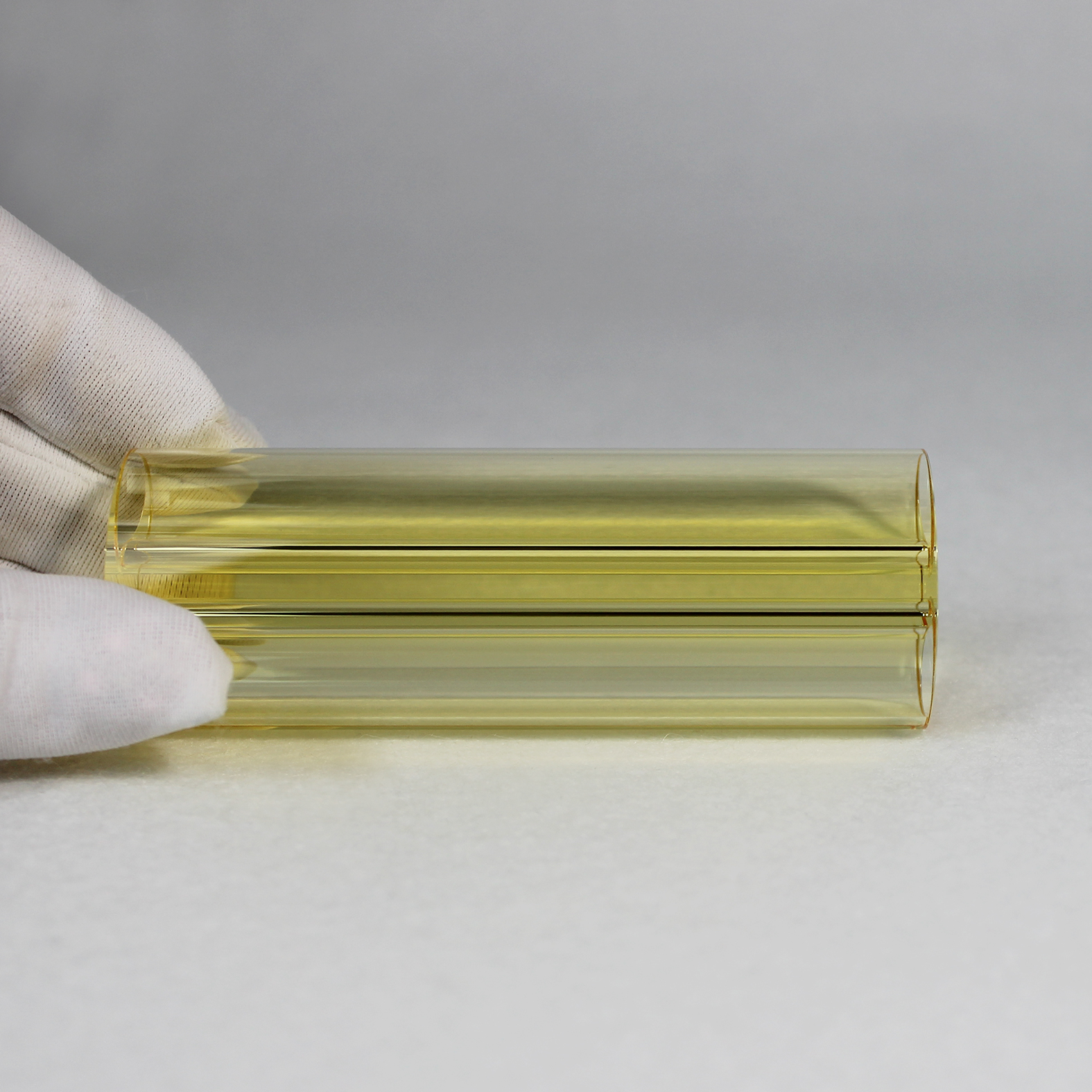
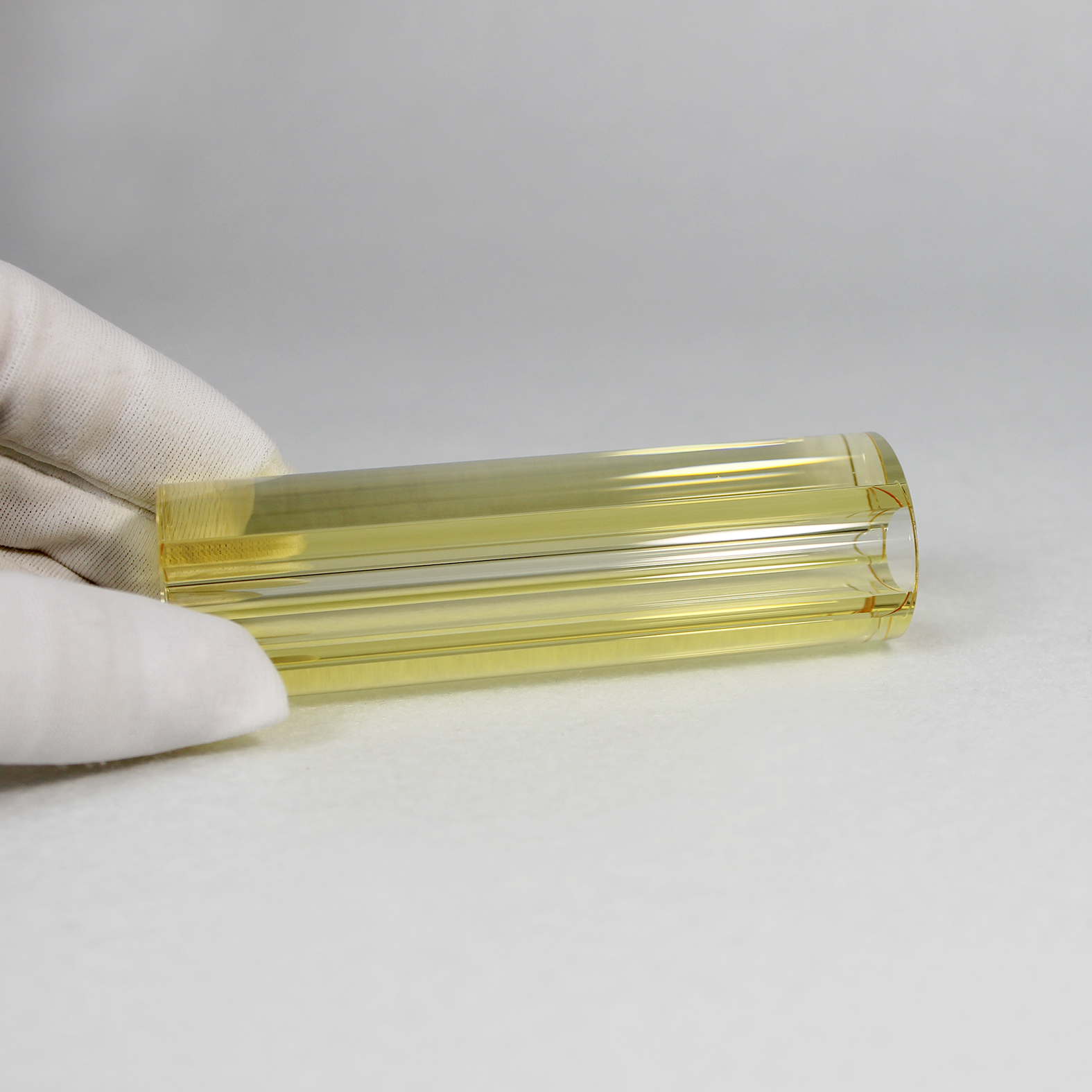
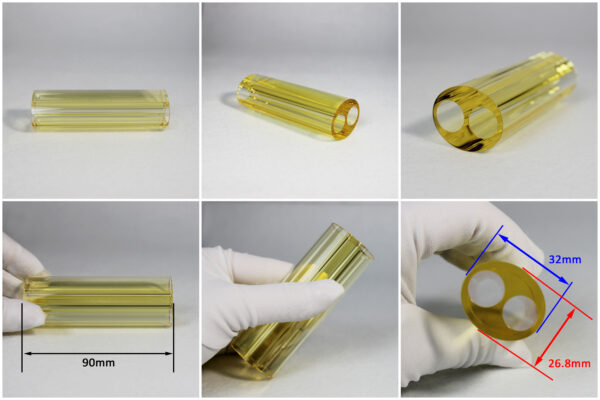
A Quartz Glass Two Bore Component is a precision-machined glass part featuring two holes in a single quartz glass body. The two-bore structure can be designed to meet specific positioning, connection, or assembly requirements.
Quartz Glass Two Bore Specifications
| Size | 32mm × 90mm |
| Material | 10% Samarium Doped Quartz Glass |
Pictur of Two Bores Laser Cavity
Video of Two Bores Laser Cavity
Video of Key Features of Double Bore Quartz Glass
- Quartz Glass Material: Offers good thermal stability and chemical resistance.
- Two Bore Structure: Features two machined holes within one glass component.
- Precision Machining: Bore dimensions and spacing can be specified according to technical drawings.
Why Choose Quartz Glass for Two Bore Components?
Quartz glass is a useful material for components that require thermal stability and good chemical resistance. It also provides optical transmission across suitable wavelength ranges, depending on the quartz grade and material specifications.
Applications of Quartz Glass Two Bore Components
- Optical equipment assemblies
- Precision glass components
- Industrial equipment structures
- Optical instrument integration
How to Specify a Quartz Glass Component with Two Holes
- Material Grade: Specify the required quartz glass type.
- Bore Diameter: Provide the diameter of each hole.
- Bore Spacing: Confirm the center-to-center distance between the two holes.
- Hole Depth: Indicate whether the bores are through holes or blind holes.
- Overall Dimensions: Provide the length, width, height, or other relevant dimensions.
Custom Quartz Glass Machining by VY Optics
VY Optics supports quartz glass component manufacturing based on customer drawings and technical specifications. We can review the two-bore structure, hole dimensions, spacing, overall geometry, and machining tolerances.
Frequently Asked Questions
Can quartz glass be machined with through holes?
Quartz glass can be processed with through holes and other machined features, subject to the material thickness, hole geometry, and manufacturing feasibility.