Introduction
When sourcing optical lenses, many buyers focus heavily on optical design specifications—resolution, focal length, F-number, or theoretical performance curves. While optical design is important, real-world image quality is often determined by manufacturing and assembly, not design alone.
In practice, many optical projects fail to achieve expected performance not because the design is flawed, but because critical manufacturing and assembly factors are overlooked.
This article highlights the most common gaps between design and manufacturing—and explains what optical buyers should pay attention to in order to avoid costly mistakes.
Optical Design Defines Potential, Not Final Performance
Optical design software predicts how a lens could perform under ideal conditions. These simulations assume:
- Perfect centration
- Zero assembly error
- Ideal spacing
- No mechanical stress
In reality, these conditions rarely exist.
A design with excellent simulated performance can still produce poor images if the manufacturing process cannot consistently meet the design’s tolerance requirements.
Manufacturing Tolerances Are Often Underestimated
Every optical component has tolerances:
- surface figure
- center thickness
- curvature
- material variation
Individually, these tolerances may appear acceptable. However, in multi-element lens systems, tolerance accumulation can significantly degrade system performance.
Buyers often overlook how tightly tolerances must be controlled—and whether a manufacturer is capable of doing so consistently.
Assembly and Alignment Have a Direct Impact on Image Quality
One of the most underestimated factors in optical performance is lens assembly accuracy.
Small errors in:
- decentration
- tilt
- axial spacing
can lead to:
- reduced contrast
- asymmetric aberrations
- poor edge performance
- unstable results across production batches
In many cases, these errors have a greater impact on image quality than small differences in optical design.

Mechanical Design Can Make or Break Optical Performance
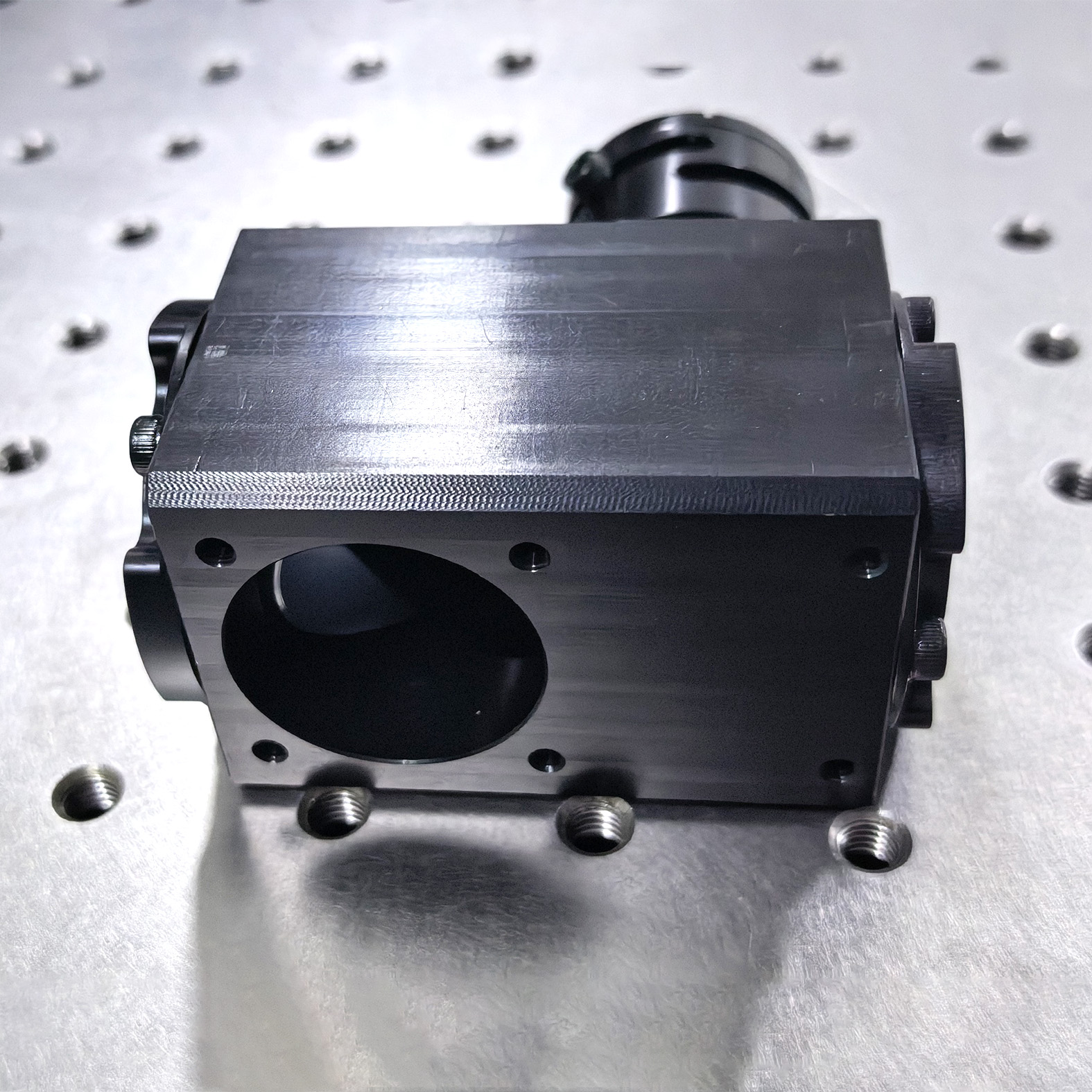
Optical buyers often assume that mechanical parts are “simple.” In reality, opto-mechanical design plays a critical role in preserving image quality.
Common mechanical issues include:
- poor reference surfaces
- stress introduced during fixation
- thermal expansion mismatch
- insufficient structural stability
Even a well-aligned lens can lose performance over time if mechanical design is not carefully considered.
Consistency Matters More Than a Perfect Sample
Many suppliers can produce a good prototype. The real challenge lies in repeatability.
Buyers should consider:
- Can the manufacturer deliver consistent performance across batches?
- Is the assembly process stable and controlled?
- Are alignment and centration results repeatable?
In real projects, consistent performance is often more valuable than a single high-performing sample.
What Optical Buyers Should Focus on Instead
To avoid common pitfalls, buyers should shift focus from design-only evaluation to end-to-end capability.
Key questions include:
- How does the manufacturer control centration and alignment?
- What assembly processes are used for complex lenses?
- How is tolerance accumulation managed?
- How is performance verified after final assembly?
- Can the supplier support third-party or customer-side testing if required? A manufacturer who can answer these questions clearly is more likely to deliver reliable results.
Conclusion
Optical design is essential—but it is only the starting point.
Real image quality depends on how well a manufacturer controls:
- manufacturing tolerances
- assembly accuracy
- alignment and centration
- mechanical stability
- batch consistency
Understanding the difference between design potential and manufactured reality allows buyers to make better decisions—and choose suppliers who can deliver performance in real-world applications.
Work With a Manufacturer Who Understands Both Design and Manufacturing
We specialize in:
- opto-mechanical system integration
- stable performance in batch production
If you are evaluating optical lens suppliers or facing performance gaps between design and reality,
📩 contact us today to discuss your application or request a quotation.