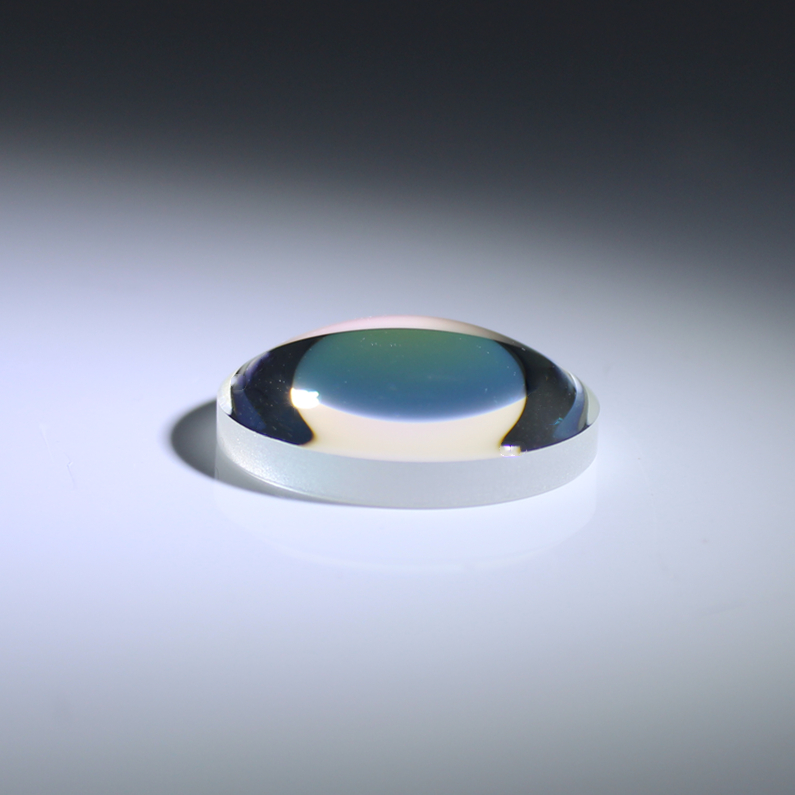
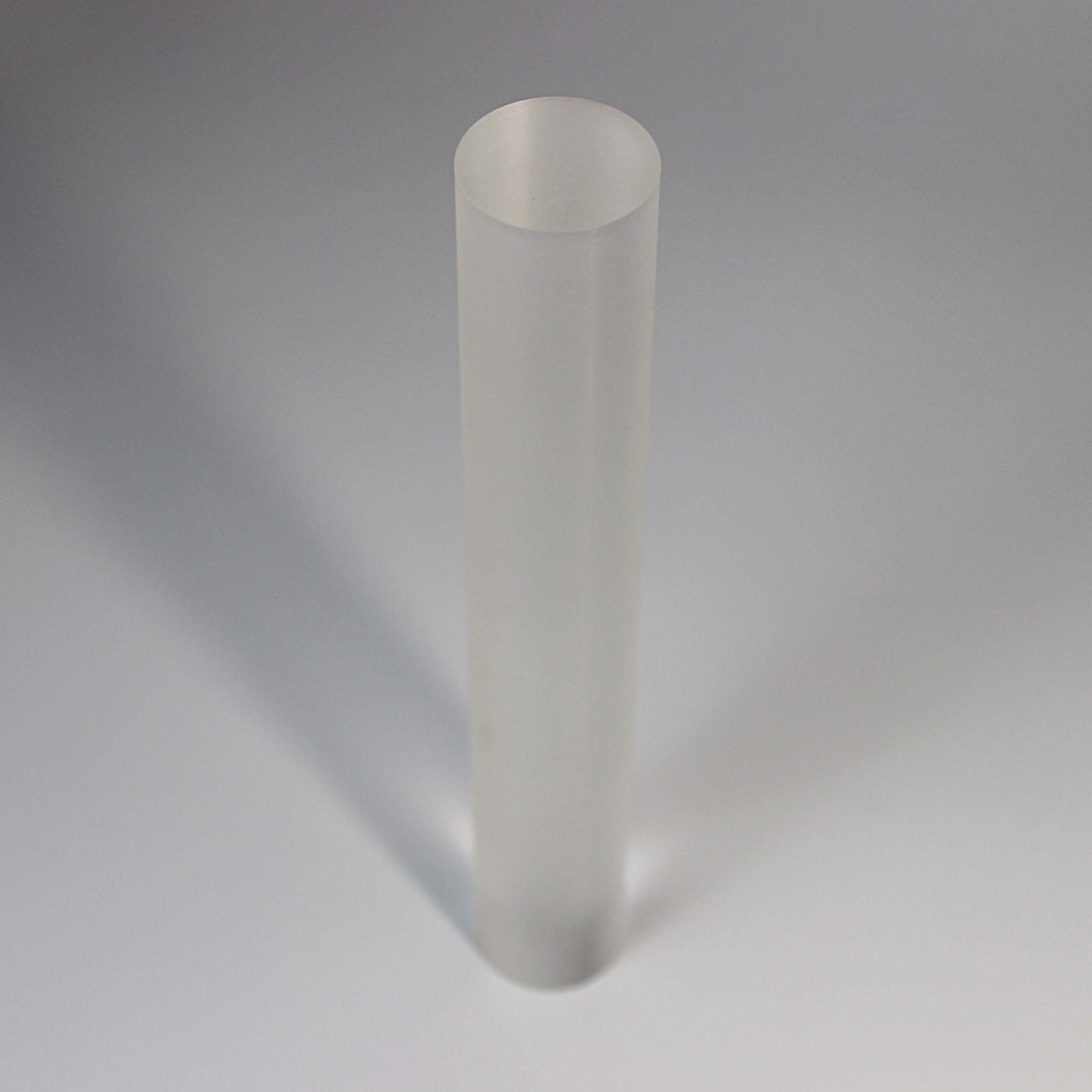
In the world of optics, not all lenses are created equal. Whether you are developing industrial imaging systems, night vision devices, or precision scientific instruments, understanding the differences between high-end and standard optical lenses is critical. The price gap between these two categories is often significant, but it reflects more than just brand or marketing—it stems from complex engineering, materials, manufacturing precision, and rigorous quality control.
VY Optoelectronics Co., Ltd., a China-based one-stop optical lens solution partner, specializes in helping customers transform their concepts into high-performance, fully integrated optical solutions. By managing every step—from design and processing to coating, assembly, and testing—VY ensures that clients can focus on their applications while trusting us to deliver complete, reliable lenses.
What Defines a Standard Optical Lens?
Standard optical lenses are typically designed for general-purpose imaging applications. They provide satisfactory performance for most consumer electronics, simple industrial vision systems, or entry-level surveillance devices. Some common characteristics include:
- Basic Optical Design: Often limited to simple lens elements and standard glass types.
- Lower Manufacturing Tolerances: Typical wavefront error and dimensional tolerances are sufficient for general use but may not meet precise imaging requirements.
- Standard Coatings: Anti-reflective coatings may be applied but are less optimized for high transmittance or specialized wavelengths.
- Limited Quality Control: Inspections are often spot-checked rather than fully verified across all lenses.
While these lenses are cost-effective and functional, their performance may fall short in demanding applications that require high resolution, low distortion, or precise light management.
What Makes a High-End Optical Lens “High-End”?
High-end optical lenses are designed and manufactured to meet strict performance specifications. The higher price reflects advanced materials, design complexity, and rigorous quality control. Key differentiators include:
- Advanced Optical Design: Multiple aspheric elements, specialized glass types, and custom geometries are used to optimize resolution, minimize aberrations, and maintain image fidelity.
- Tight Manufacturing Tolerances: Wavefront error, surface figure, and centering tolerances are carefully controlled, ensuring consistent optical performance across production batches.
- High-Performance Coatings: Multi-layer anti-reflective coatings, infrared or near-infrared optimized coatings, and specialized surface treatments enhance light transmission and reduce unwanted reflections.
- Comprehensive Quality Assurance: Each lens undergoes precision testing, including Modulation Transfer Function (MTF) analysis, interferometry, and environmental testing when required.
The result is a lens capable of supporting precision applications, from scientific imaging and high-end surveillance to low-light night vision systems.
Key Technical Differences That Drive Cost
Understanding why high-end lenses are more expensive can help you choose the right solution for your project. The following table summarizes the main technical differences:
| Feature | Standard Lens | High-End Lens |
| Optical Design | Simple, standard elements | Complex, multi-element, aspheric designs |
| Material | Generic optical glass | High-grade optical glass, specialty materials |
| Coating | Basic AR coatings | Multi-layer, wavelength-specific, durable coatings |
| Tolerances | Moderate, ±50–100 µm | Tight, ±1–5 µm for critical surfaces |
| Testing & QC | Spot checks | Full inspection, MTF, interferometry, environmental testing |
| Application Suitability | Consumer & low-demand industrial | High-precision imaging, low-light/night vision, scientific instruments |
These differences justify the cost and, more importantly, the reliability and performance required in professional applications.
Cost Breakdown: Where Does the Money Go?
The price of a high-end optical lens comes from multiple factors:
- Materials: Specialty glass, coatings, and precision components are more expensive than generic alternatives.
- Manufacturing Complexity: Grinding, polishing, and shaping elements to tight tolerances requires advanced machinery and skilled technicians.
- Assembly and Alignment: Ensuring each lens element is perfectly centered and aligned is time-intensive.
- Quality Testing: Comprehensive inspection and calibration ensure consistent performance, reducing the risk of failed or substandard lenses.
- R&D and Design: High-end lenses often involve extensive optical modeling, prototyping, and iterative testing.
Which Type Should You Choose for Your Application?
Choosing between standard and high-end optical lenses depends on your specific needs:
- Budget-Constrained Projects: Standard lenses are suitable for general imaging, short-range surveillance, or non-critical applications.
- Precision Applications: High-end lenses are essential when image quality, low-light performance, or specific wavelength performance is required.
Many clients underestimate the hidden costs of using lower-grade lenses in demanding systems, which can lead to reduced performance, project delays, or repeated prototyping. Partnering with a company like VY Optoelectronics ensures that your project meets specifications from the start, saving time and cost in the long run.
Custom Optical Lens Solutions by VY Optoelectronics
At VY Optoelectronics Co., Ltd., we provide one-stop optical lens solutions for clients around the globe. From initial concept to final product, our services include:
- Optical Lens Design: Custom designs for your imaging, surveillance, or night vision requirements.
- Precision Manufacturing: High-quality grinding, polishing, and coating.
- Assembly & Alignment: Optical modules and integrated systems built to exact specifications.
- Testing & Quality Assurance: MTF, wavefront, and environmental testing to ensure performance.
- Final Delivery: Complete lens or system ready for integration into your product.
Our approach allows clients to hand over a concept and receive a complete, high-performance solution without worrying about multiple suppliers or complex coordination.
Conclusion
The difference between high-end and standard optical lenses is more than just price—it reflects design sophistication, material quality, manufacturing precision, and rigorous quality control. For demanding applications, investing in high-end lenses ensures reliability, superior performance, and long-term project success.
VY Optoelectronics Co., Ltd., a China-based one-stop optical lens solution partner, is ready to help turn your concept into a complete optical solution, from design to delivery. Contact us today to discuss your custom lens project and discover how our expertise can make your vision a reality.
FAQ
Q: Why are high-end optical lenses more expensive than standard ones?
A: The cost comes from advanced materials, complex design, precision manufacturing, and rigorous quality testing.
Q: Can VY Optoelectronics produce lenses for low-light or night vision applications?
A: Yes, we specialize in infrared, low-light, and night vision lens solutions.
Q: What does “one-stop optical lens solution” mean?
A: It means we handle everything from concept and design to manufacturing, coating, assembly, testing, and delivery—clients receive a ready-to-use solution without coordinating multiple suppliers.