Introduction
Industrial camera systems are widely used in automated inspection, quality control, robotics, and measurement applications. While sensors and algorithms continue to advance, optical performance remains the foundation of reliable industrial imaging.
In many cases, system instability, inspection errors, or inconsistent results are not caused by software—but by optical limitations that were underestimated during system design.
This article outlines the key optical requirements for industrial camera systems, helping engineers and buyers select lenses and optical solutions that deliver stable, repeatable performance in real-world environments.
Image Quality Consistency Across the Field of View
In industrial imaging, performance at the image center alone is not sufficient.
Key requirements include:
- Uniform sharpness from center to edge
- Stable contrast across the full field of view
- Minimal field-dependent aberrations
Poor edge performance can lead to missed defects, incorrect measurements, or increased calibration effort.
Industrial camera lenses must maintain consistent image quality across the entire sensor area.
Resolution and Contrast at Working Conditions
Nominal resolution specifications often do not reflect real operating conditions.
Important considerations include:
- Performance at the actual working aperture
- Sensitivity to focus error
- Contrast performance under industrial lighting
High-resolution sensors require lenses that can deliver sufficient contrast at relevant spatial frequencies—not just theoretical resolution.
Low Distortion for Measurement Accuracy
Many industrial camera systems are used for dimensional measurement.
Key optical requirements include:
- Low and predictable distortion
- Stable distortion behavior across temperature changes
- Compatibility with calibration algorithms
Uncontrolled distortion can introduce systematic errors that software correction cannot fully eliminate.
Mechanical Stability and Optical Alignment
Industrial environments often involve:
- Continuous operation
- Vibration and mechanical shock
- Temperature variation
Under these conditions, mechanical stability is directly linked to optical performance.
Key factors include:
- Stable lens mounting interfaces
- Robust opto-mechanical design
- Controlled assembly stress
Even small alignment shifts can cause image degradation over time.
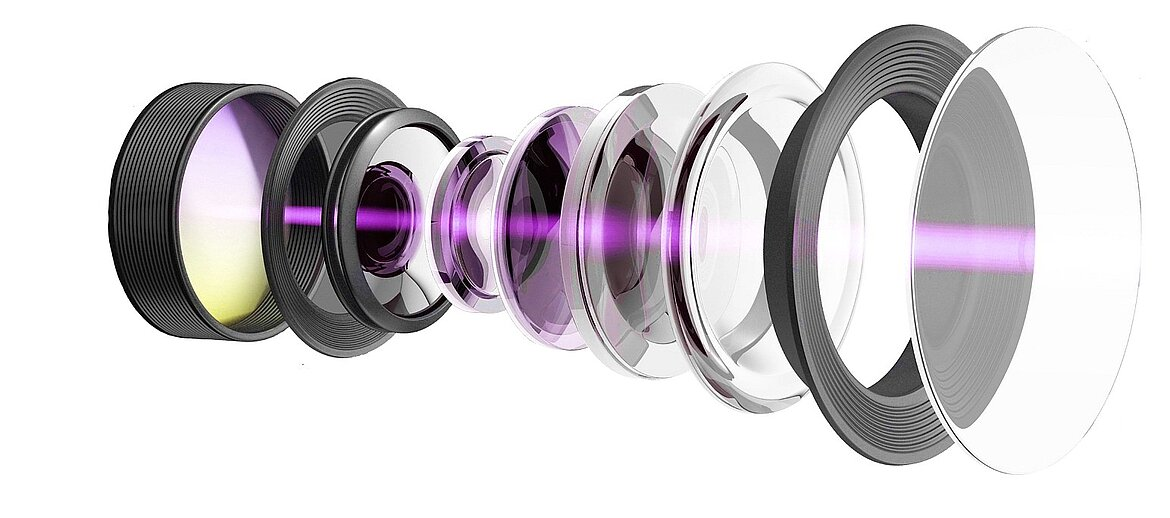
Precision Assembly and Centration Control
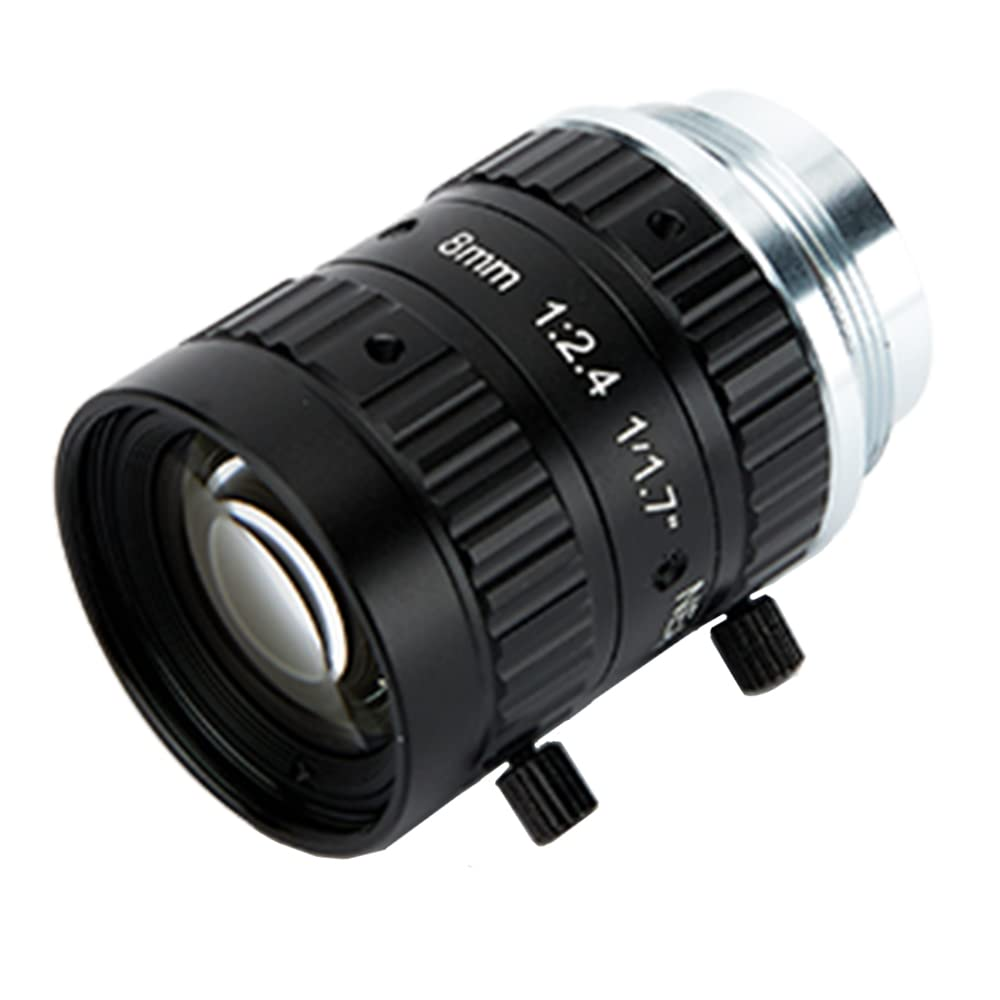
High-performance industrial lenses often consist of multiple optical elements.
Without precise assembly and centration control, systems may suffer from:
- Reduced image uniformity
- Asymmetric aberrations
- Inconsistent results between units
Precision alignment processes ensure that optical and mechanical axes are properly matched, supporting repeatability and long-term reliability.
Environmental Durability
Industrial camera systems must operate reliably outside laboratory conditions.
Optical requirements may include:
- Resistance to dust and contamination
- Temperature stability
- Protective coatings and sealed structures
Lenses designed without environmental considerations may degrade quickly in production environments.
Compatibility With System Integration
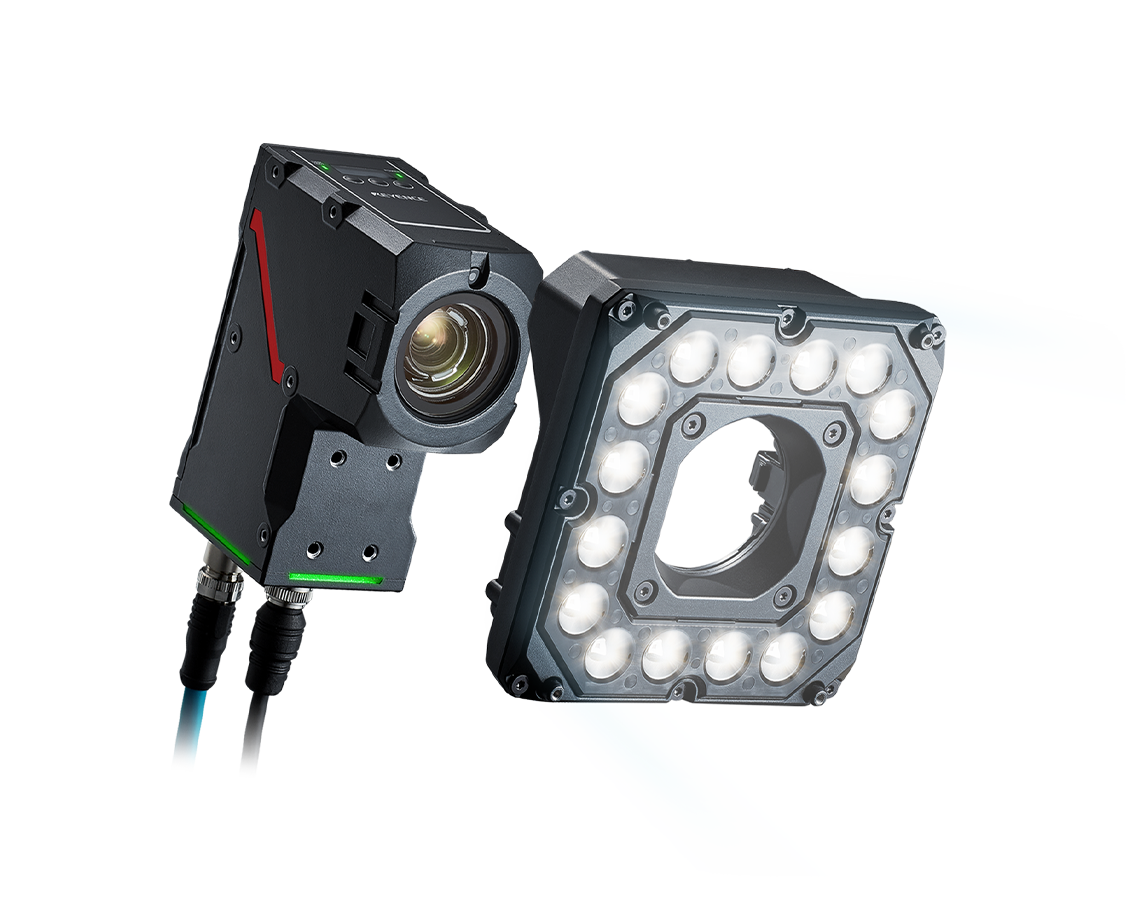
Industrial optics must integrate seamlessly with:
- camera housings
- illumination systems
- mechanical fixtures
Optical design and manufacturing should support:
- custom mounting solutions
- integration with lighting geometry
- system-level optimization
A lens that performs well alone may still fail if integration is not considered.
What Industrial Buyers Should Look for in an Optical Supplier
When selecting an optical supplier for industrial camera systems, buyers should evaluate:
- Experience with industrial imaging applications
- Ability to control assembly accuracy and alignment
- Consistency in batch production
- Understanding of system-level requirements
- Support during integration and validation
Suppliers who understand both optics and industrial environments deliver more reliable solutions.
Conclusion
Industrial camera systems demand more than basic imaging performance.
Stable, repeatable results depend on optics that meet strict requirements for image quality, mechanical stability, alignment accuracy, and environmental durability.
By focusing on these key optical requirements, engineers and buyers can significantly improve system reliability and long-term performance.
Work With a Precision Optical Partner for Industrial Imaging
We support industrial camera systems with:
- custom optical lens solutions
- high-precision assembly and alignment
- opto-mechanical integration support
- stable performance in production environments
If you are developing or upgrading an industrial camera system, 📩 contact us today to discuss your application or request a quotation.