What is a Dual Channel Beam Splitting Imaging Lens?
A dual channel beam splitting imaging lens is a precision optical assembly designed to divide incoming light into two independent optical paths for simultaneous image acquisition and analysis. It integrates beam separation technology with high quality imaging performance for advanced optical systems.
Why Use a Dual Channel Imaging Lens?
Dual channel optical lenses improve system efficiency by allowing multiple imaging channels to operate together. This design helps achieve accurate comparison, detection, and analysis while maintaining stable image quality and optical alignment.
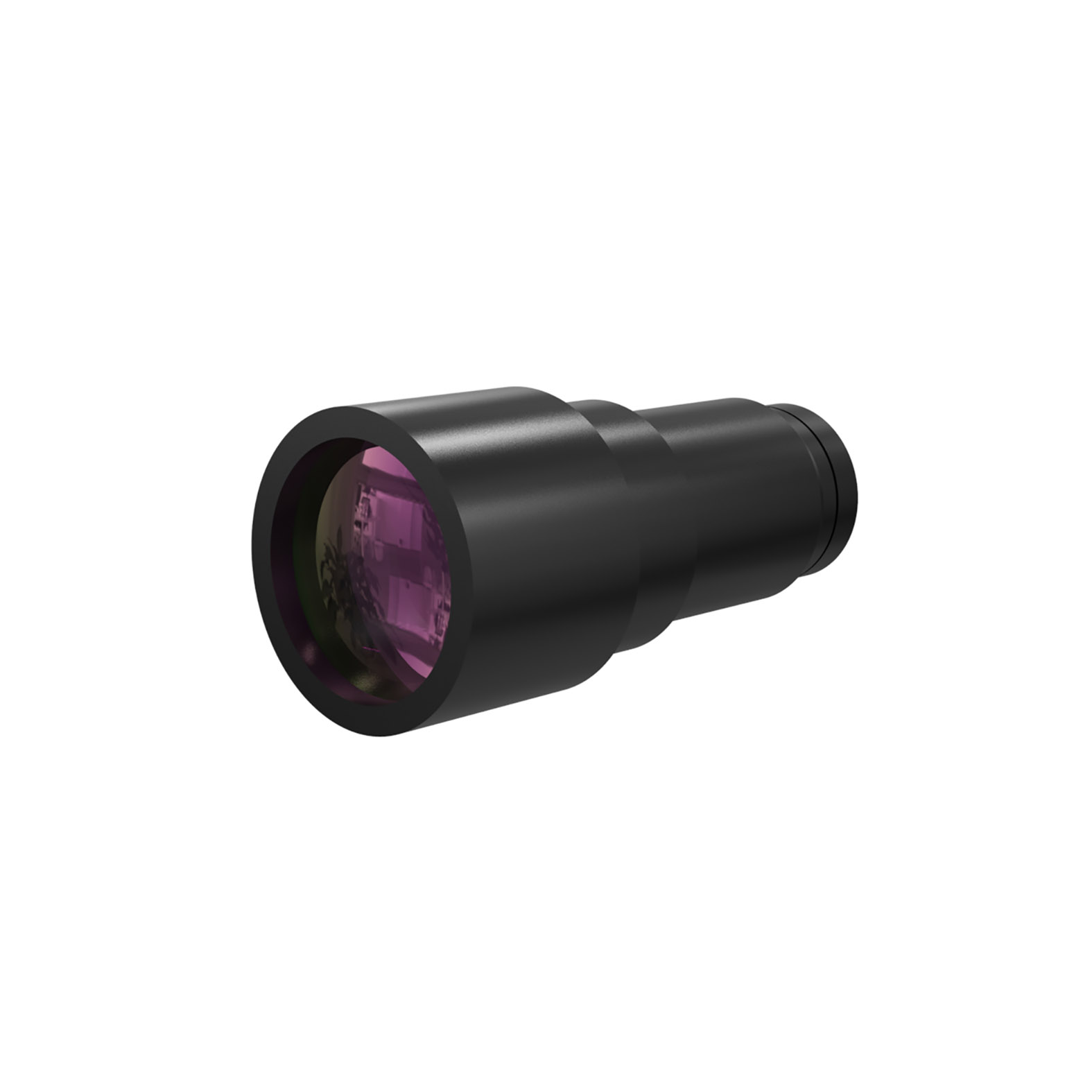
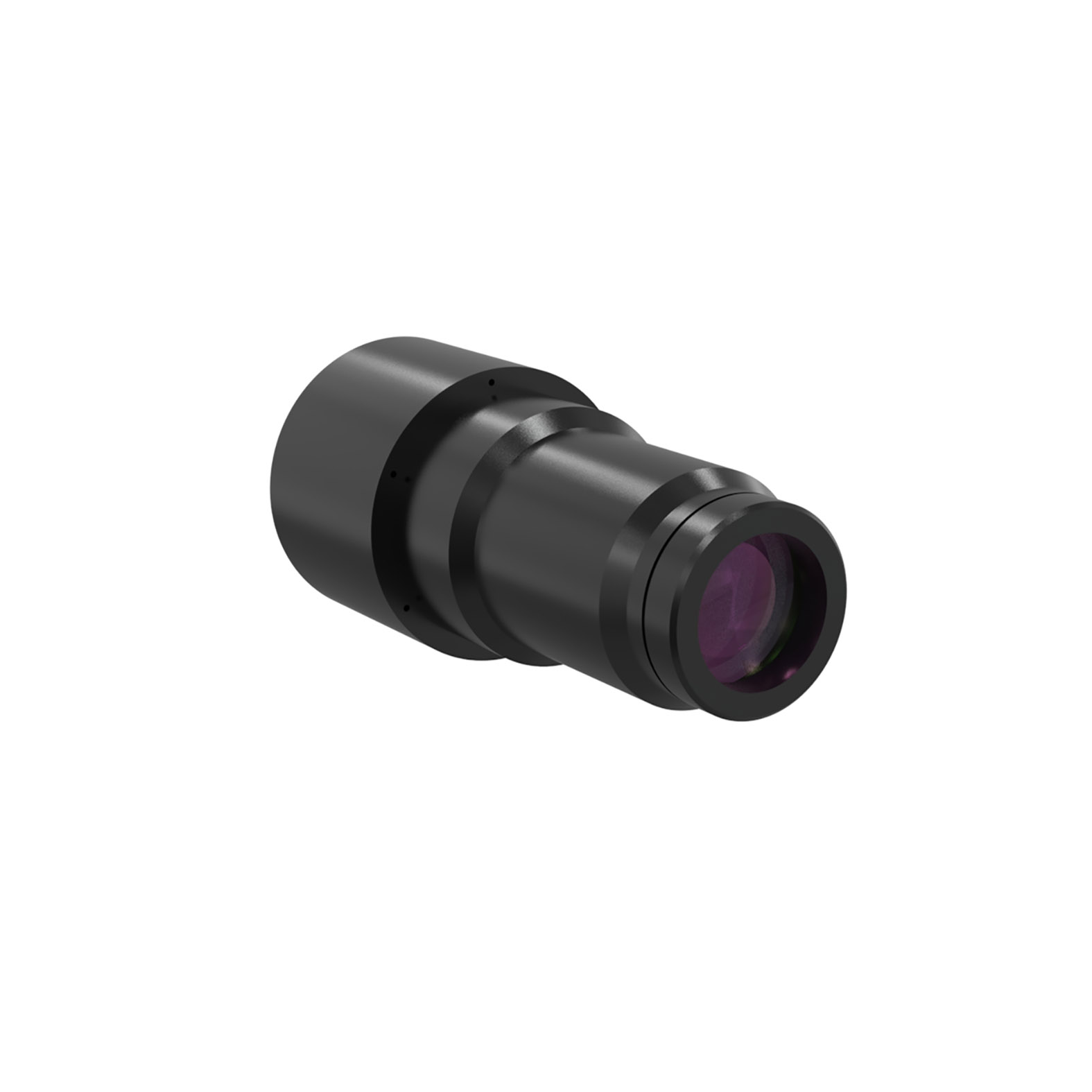
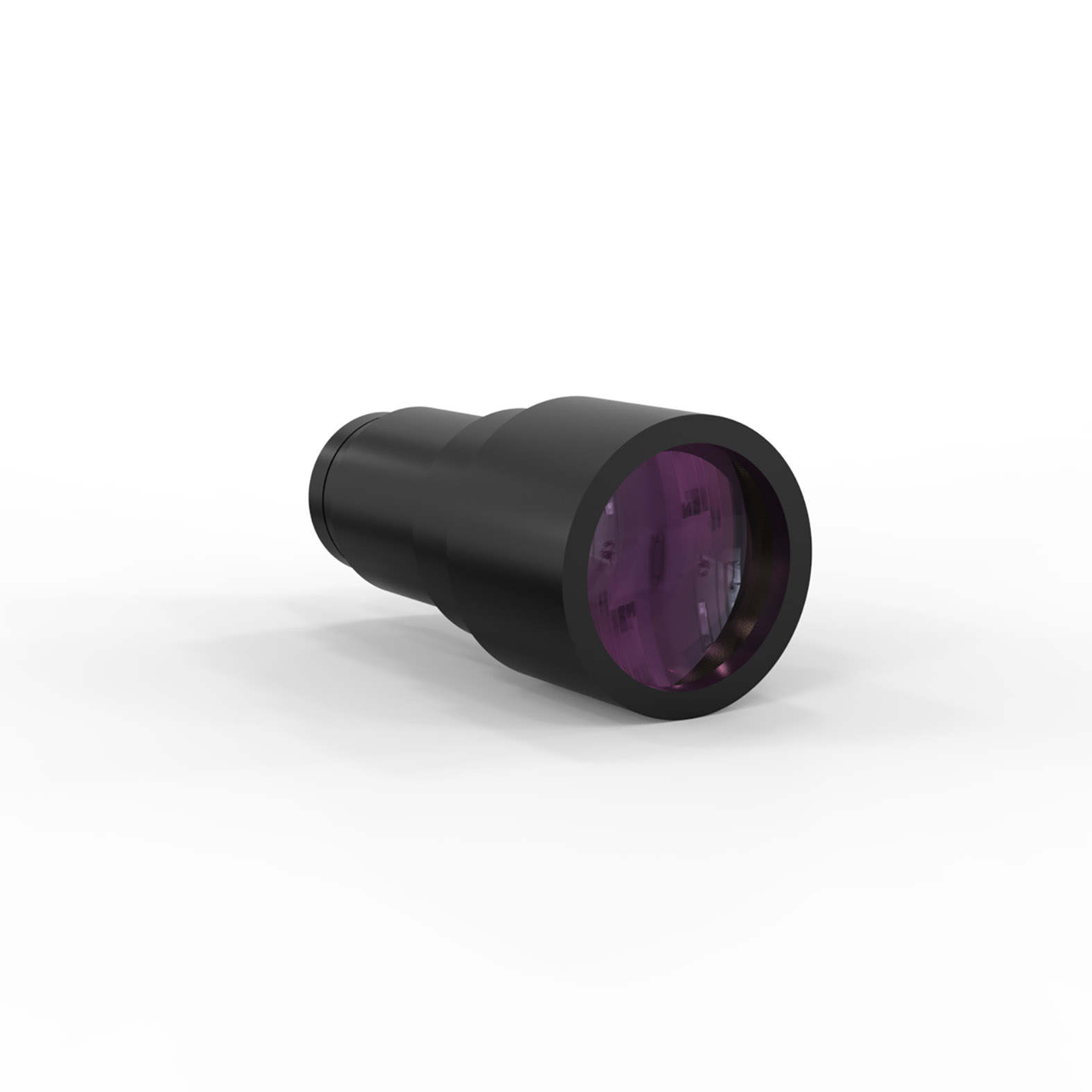
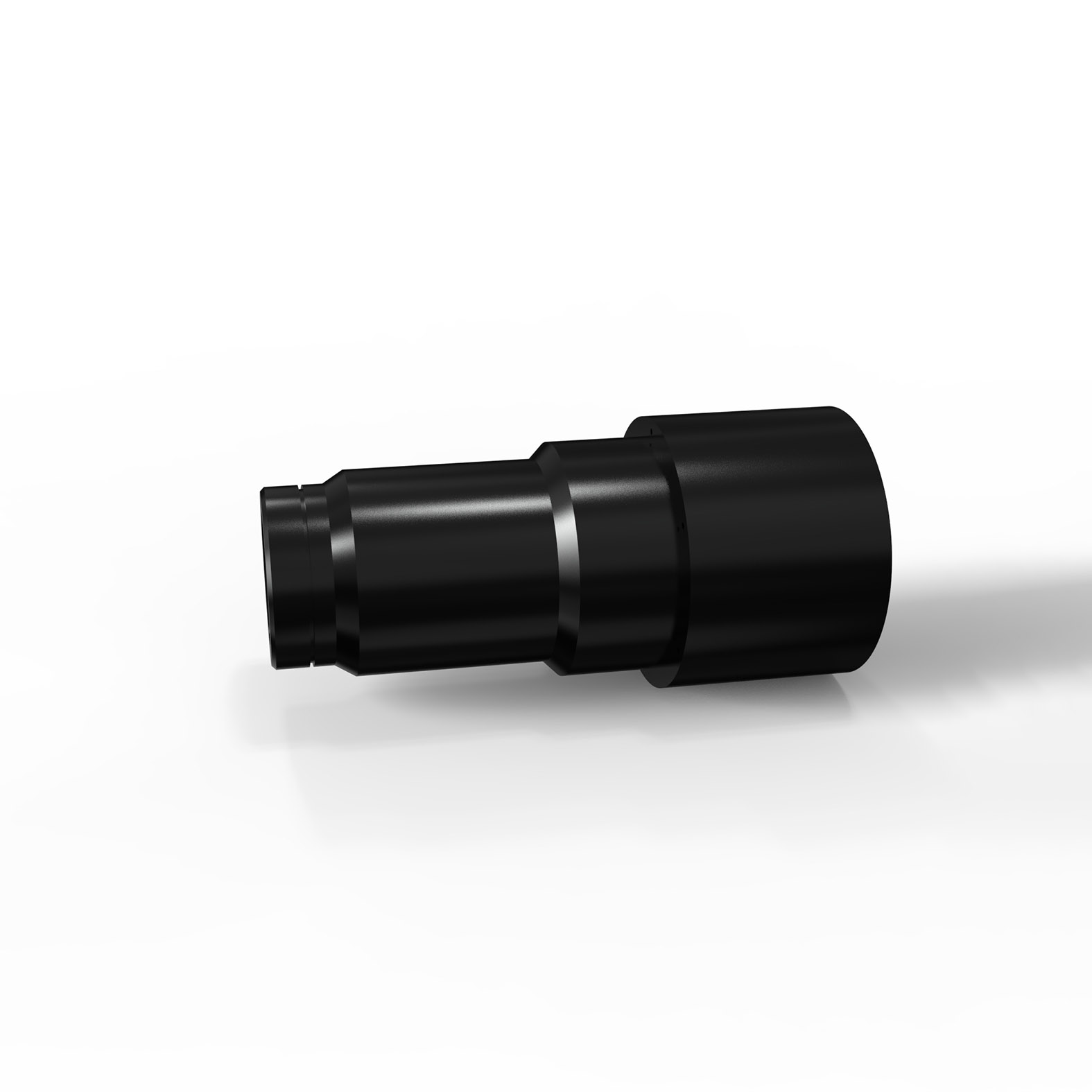
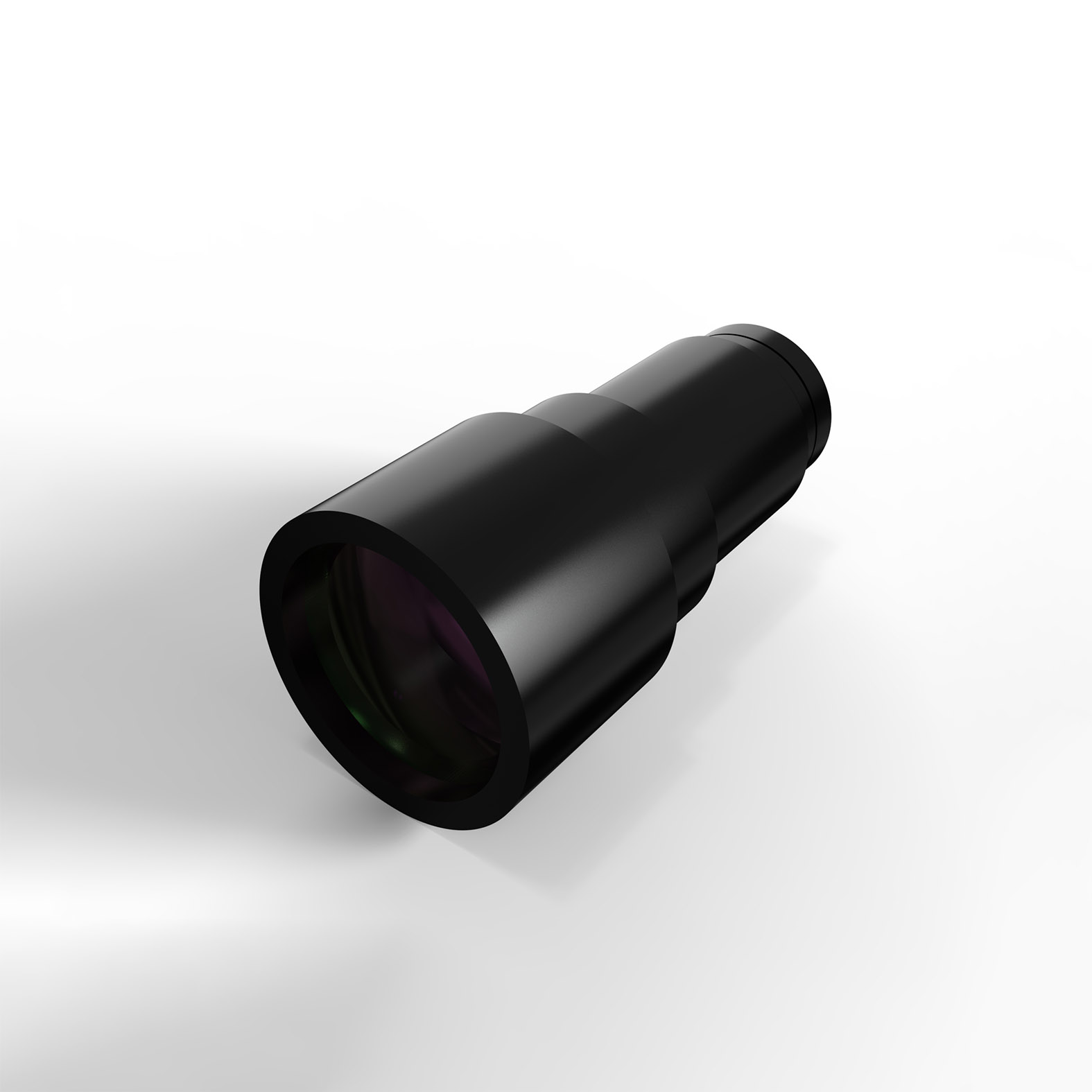
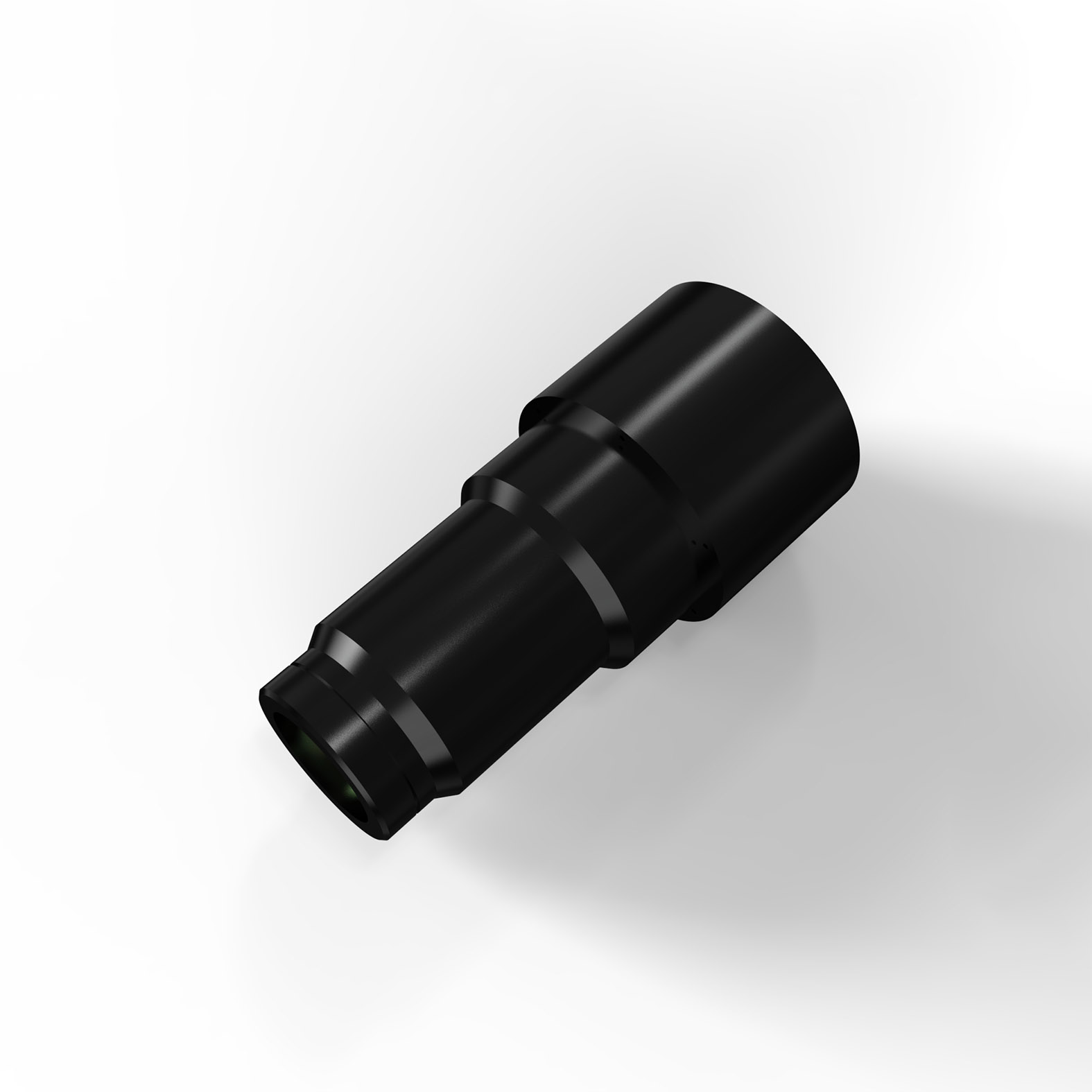
Picture of 955-1100nm Dual Channel Imaging Lens
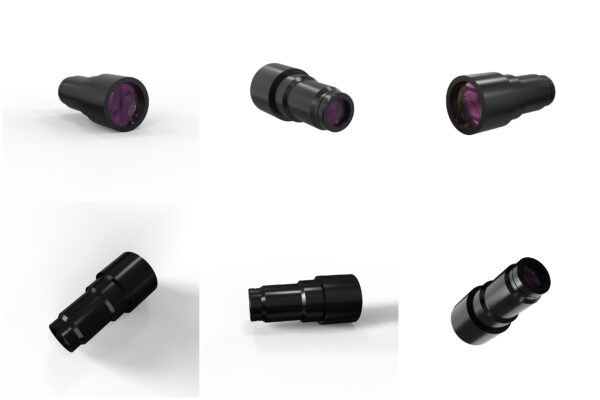
Video of 955-1100 nm NIR /Short-Wave Edge Dual-Channel Beam Splitting Imaging Lens
Key Features of Beam Splitting Imaging Lenses
- Dual channel optical imaging capability
- Accurate beam separation performance
- High transmission efficiency
- Excellent image consistency
- Low optical distortion
- Compact optical integration design
- Custom optical solutions available
Applications of Dual Channel Optical Imaging Systems
- Industrial Machine Vision Inspection
- Smart Agriculture Imaging Systems
- Scientific Research Imaging Equipment
- Food Quality Inspection Systems
- Industrial Sorting and Classification Systems
- Intelligent Imaging and Optical Measurement Systems
Advantages of Custom Beam Splitting Lens Design
- Optimized optical performance
- Flexible dual-channel configuration
- Precision optical alignment
- Stable imaging quality
- OEM system integration support
- Custom production capability
People Also Ask (FAQs)
What is a beam splitting imaging lens used for?
A beam splitting imaging lens separates incoming light into multiple optical paths, allowing different channels to capture and analyze images simultaneously.
What are the advantages of a dual channel optical system?
A dual channel optical system improves detection efficiency and allows comparison or combined analysis from different imaging channels.
Can the wavelength range be customized?
Yes. Optical performance, wavelength range, coating design, focal length, and mechanical structure can be customized according to application requirements.
Customization Options
- Custom wavelength optimization
- Special optical coating design
- Different focal length configurations
- Custom mechanical housing
- Prototype development
- OEM mass production support