In fiber laser cutting and welding systems, protective glass is one of those components that looks simple, but actually affects the whole machine stability more than many people expect.
A lot of laser system problems eventually trace back to the protective window. Burning, unstable power, contamination, coating damage, poor beam quality… many times the issue is not the laser source itself.
This article mainly talks about fiber laser protective glass, common materials, coatings, applications, and several problems often seen in industrial laser systems.
At VY Optics, we manufacture custom optical windows and protective glass for fiber laser, laser welding, and industrial optical applications.
What is Fiber Laser Protective Glass?
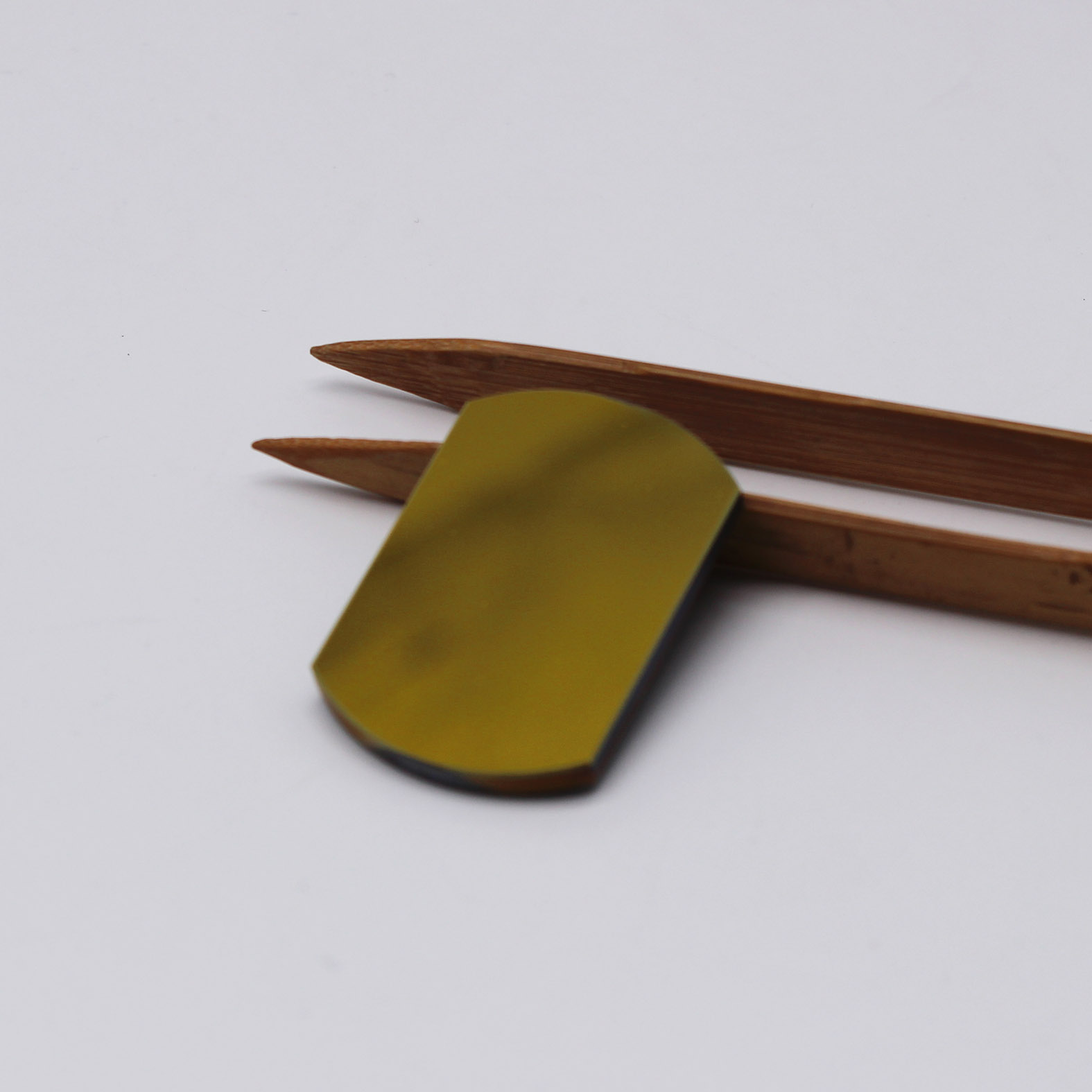
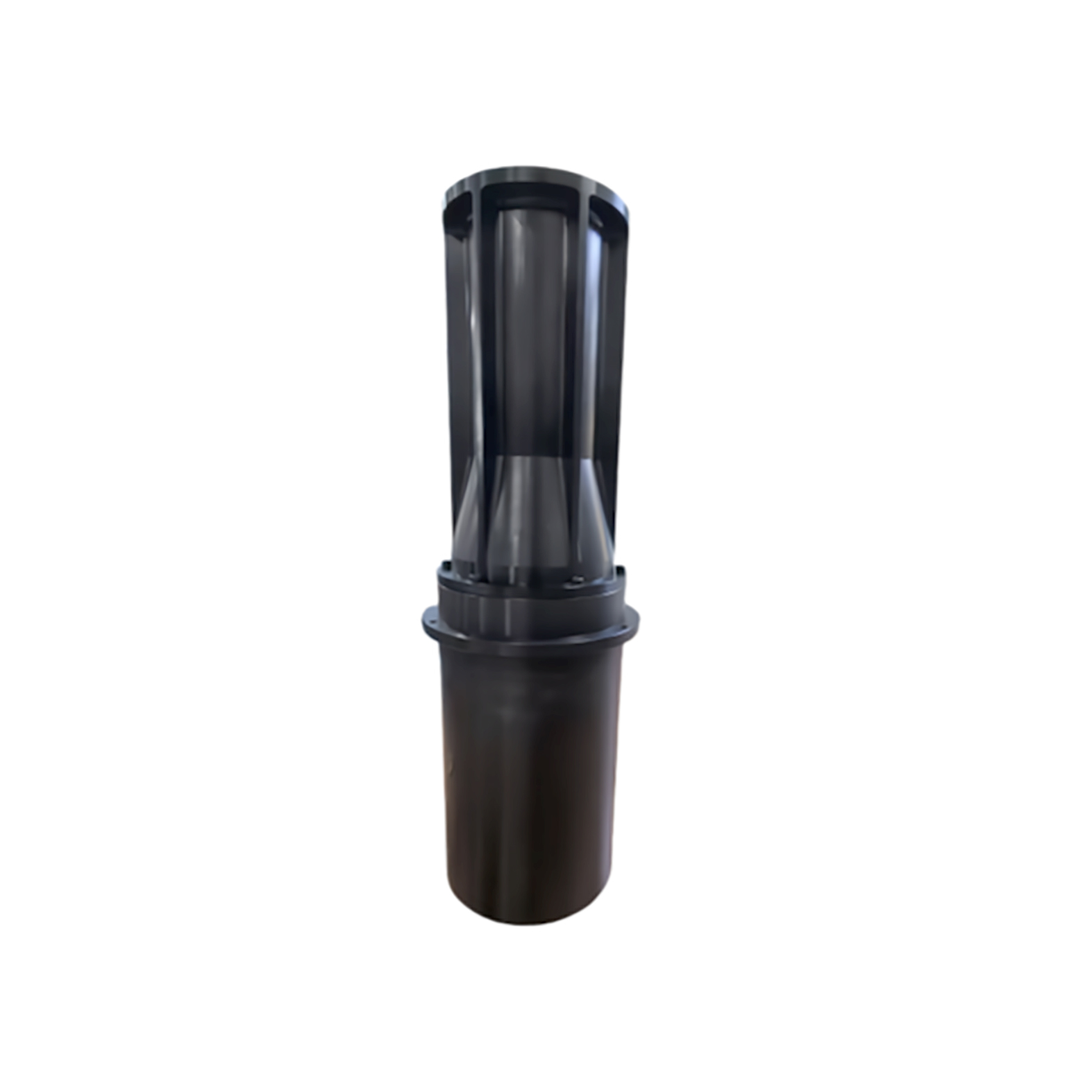
Fiber laser protective glass, also called laser protective window or protective lens, is used to protect the internal optical system inside laser cutting heads and laser welding systems.
It is usually installed between the focusing optics and the working area.
The main function is simple:
- protect expensive optics
- prevent smoke and metal particles entering the optical path
- reduce contamination
- maintain stable laser transmission
Although it is only a small optical component, once the protective glass becomes contaminated or damaged, laser performance may drop very quickly.
Common Materials for Laser Protective Windows
Different laser systems use different optical materials.
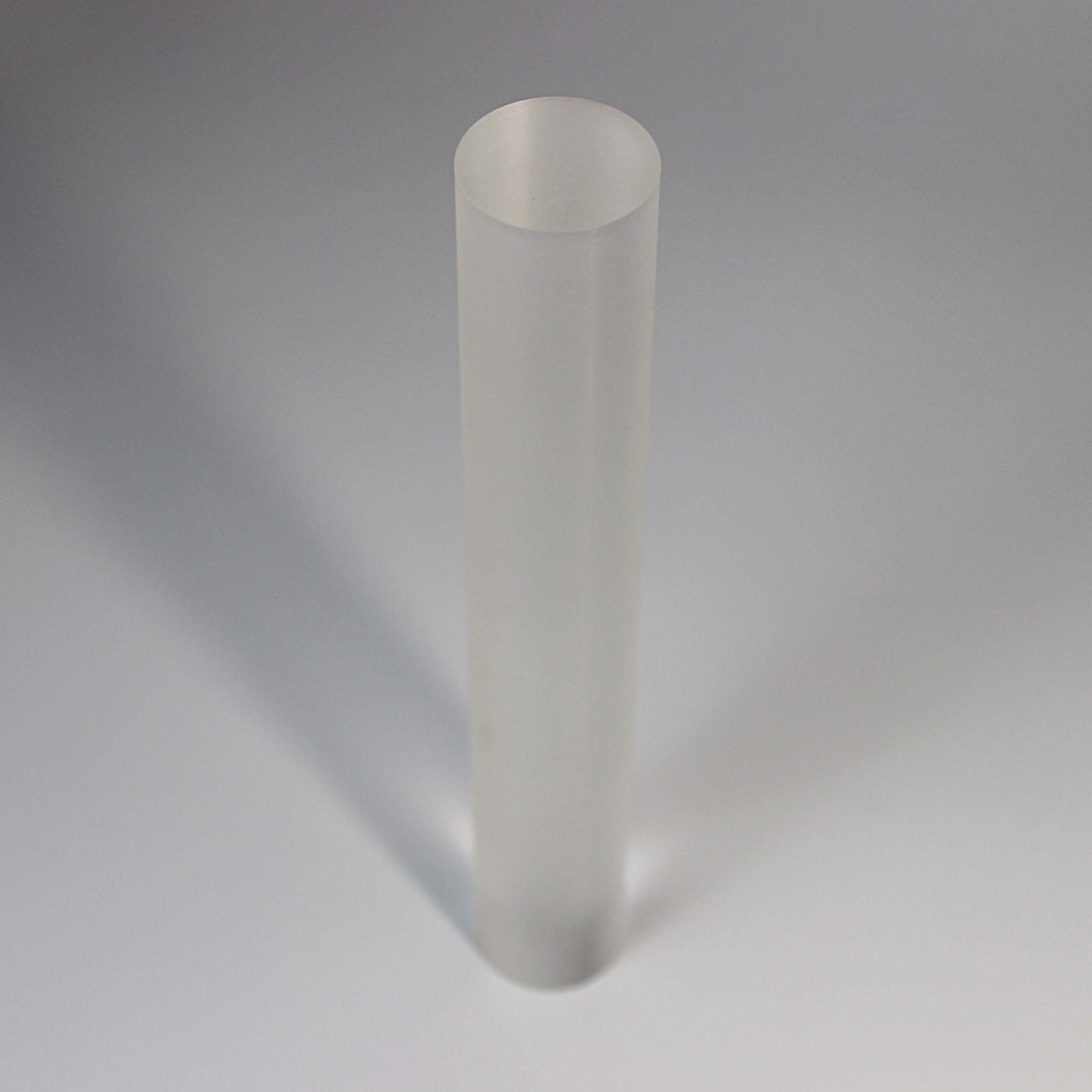
The most common material today is fused silica.
Fused Silica Protective Glass
Fused silica has excellent transmission at 1064nm wavelength and very good thermal stability.
Advantages include:
- low absorption
- good thermal resistance
- stable optical performance
- suitable for high power fiber laser systems
This is currently the most widely used material for laser cutting protective windows.
Quartz Protective Glass
Some customers also refer to fused silica as quartz glass. In practical industrial applications, these names are often mixed together.
Quartz protective windows are commonly used in:
- fiber laser cutting
- laser welding
- laser cleaning
- laser marking systems
Sapphire Protective Window
For some harsh environments or high durability applications, sapphire windows may also be used.
Sapphire has:
- very high hardness
- excellent scratch resistance
- high temperature resistance
But the cost is much higher than fused silica.
Why Does Laser Protective Glass Burn?
This is probably one of the most common questions from customers.
In many cases, the protective glass itself is not the real problem.
Usually the issue comes from:
- contamination
- coating damage
- poor cleaning
- incorrect installation
- unstable gas flow
- metal spatter
- back reflection
Once dust or metal particles remain on the surface, local laser absorption increases quickly. Under high power laser conditions, the coating may start burning.
After that, transmission drops and the damage becomes worse very fast.
Sometimes customers think the laser source is unstable, but actually the protective window has already been damaged.
Why Coating Quality is Important
AR coating quality directly affects laser transmission and lifetime.
Low quality coatings may cause:
- higher absorption
- lower transmission
- thermal stress
- coating peeling
- unstable laser power
For high power fiber laser systems, coating stability becomes very important.
Especially in continuous industrial operation.
At higher power levels, even small coating defects may become visible after long-term use.
Protective Glass for Laser Cutting vs Laser Welding
Although both use protective windows, the working conditions are slightly different.
Laser Cutting
Laser cutting systems usually face:
- strong smoke
- metal splash
- continuous operation
- contamination risk
Protective windows often require frequent replacement.
Laser Welding
Laser welding systems generally require:
- higher beam stability
- cleaner optical path
- lower distortion
- stable spot quality
In some precision welding applications, optical surface quality becomes more important.
Common Protective Glass Sizes
Some common industrial protective window dimensions include:
- 18 x 2 mm
- 20 x 2 mm
- 21.5 x 2 mm
- 24.9 x 1.5 mm
- 27.9 x 4.1 mm
- 30 x 5 mm
- 34 x 5 mm
Custom dimensions are also widely used in OEM laser systems.
How to Extend Protective Glass Lifetime
In actual industrial applications, proper maintenance is very important.
Several points customers often overlook:
Keep the optical path clean
Small contamination may become serious under high laser power.
Avoid touching coating surfaces directly
Fingerprints can increase absorption.
Use correct cleaning materials
Improper wiping paper may scratch coatings.
Check gas flow stability
Poor gas flow sometimes causes contamination accumulation.
Replace damaged windows early
Once coating damage begins, transmission may decrease rapidly.
Protective Glass Manufacturing at VY Optics
At VY Optics, we provide custom laser protective windows for industrial laser applications.
Our capabilities include:
- fused silica protective glass
- custom dimensions
- AR coating
- high precision polishing
- OEM laser optics
- prototype and batch production
Applications include:
- fiber laser cutting
- laser welding
- laser cleaning
- industrial laser systems
- scientific laser equipment
Final Thoughts
Protective glass may look like a simple optical window, but in many fiber laser systems, it directly affects stability, transmission efficiency, and equipment lifetime.
Many laser failures actually begin from contamination or coating problems on the protective window.
Choosing the correct material, coating, and manufacturing quality helps improve laser system reliability significantly.
If you are looking for custom fiber laser protective glass or industrial laser optical components, feel free to contact VY Optics for technical support and quotation.
VY Optics was founded in 2010 and originally focused on precision optical component manufacturing.
Over the years, we gradually expanded from optical manufacturing into optical design, centering, and assembly to provide more complete optical solutions for customers.
Today, we mainly work on custom optical components, optical centering, and optical assembly for industrial and scientific applications.